


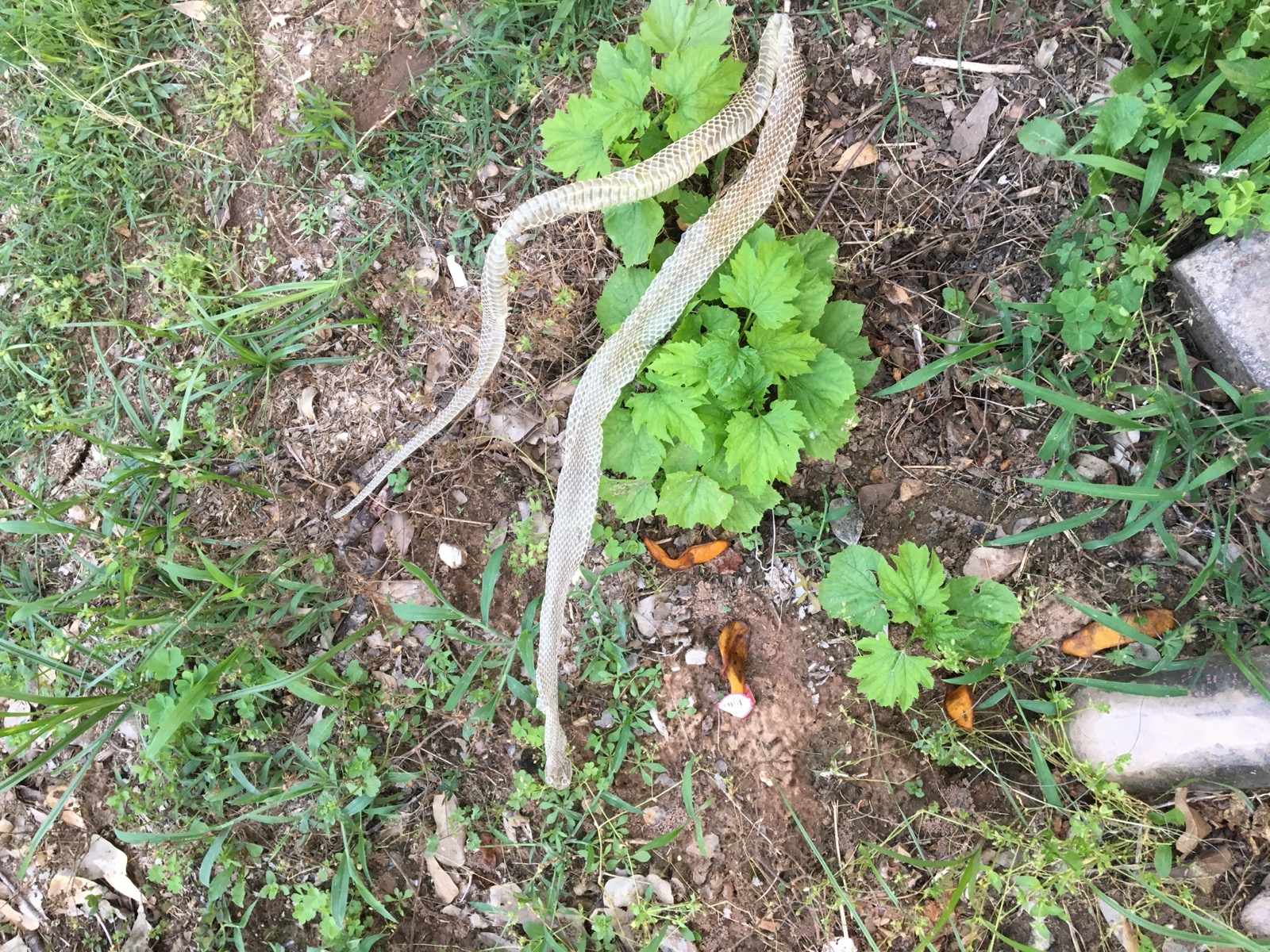
Most people never see the snake that has been living in their basement, garage, or laundry room. Snakes are quiet, secretive, and very good at staying out of sight, so the first evidence is usually something they leave behind rather than the animal itself. Knowing which clues are reliable and which are folklore helps you decide whether to call for help, keep watching, or simply seal a gap and move on. The goal is to gather information from a safe distance, because the worst way to confirm a snake is present is to put a hand where it is resting.
The strongest single sign is a shed skin. Snakes shed their outer layer periodically, and they often do it by rubbing against rough surfaces in tight spaces, so skins turn up behind water heaters, inside wall voids near the floor, among boxes in storage areas, and along the edges of crawl space doors. A shed skin is papery, translucent, and usually inside-out, and a fresh one shows a clear scale pattern and even the clear eye cap. Its presence tells you a snake was there at some point, but snakes can move on afterward, and a skin can sit undisturbed in a quiet corner for a long time. It is also worth remembering that the skin stretches during shedding, so it often looks longer than the snake that left it.
Droppings are the second useful clue. Snake droppings are usually elongated and dark, often with a white or chalky cap made of urates, which is how snakes excrete nitrogen waste instead of producing liquid urine. They may contain hair, fur, or small bone fragments from prey. Rodent droppings, by contrast, are small, numerous, and pellet-shaped, and lizard droppings are much smaller but can look similar in miniature. Smooth, curving trails through dust on basement floors, garage shelves, or attic boards are another hint, especially near walls, pipes, and gaps where a snake can travel along an edge. Footprints with tiny claw marks belong to something else.
Smell and sound are less dependable than many people expect. Some snakes release a strong musky odor from glands near the tail when they are frightened or handled, so a sudden foul smell in an enclosed space can be meaningful, but snakes at rest generally do not leave a noticeable scent. The popular idea that a cucumber smell reliably signals a copperhead is not supported by good evidence. Likewise, snakes rarely make audible noise; a faint rustle in a box of papers is more likely to be a mouse. Changes in rodent activity can point in either direction, because rodents are often what draws a snake indoors in the first place, so a sudden silence in a once-busy wall is suggestive but not proof.
Pets are often the best early warning system. Dogs and cats that suddenly fixate on the gap under a refrigerator, sniff intently along a baseboard, or refuse to enter a laundry room are telling you something is there, even if it is just a lizard or a mouse. Keep them away from the area rather than letting them investigate, since curious pets are bitten far more often than people. In India, families in rural and semi-rural homes should take nighttime signs especially seriously, because kraits sometimes enter homes after dark and can bite people sleeping on the floor; sleeping on a raised bed and using a tucked-in mosquito net are well-established precautions. In Australia, brown snakes and other species may shelter in garages, sheds, and wall cavities near bush or farmland, while in the United States rat snakes, milk snakes, and the occasional copperhead are common indoor visitors in basements and crawl spaces.
If you find signs, resist the urge to dismantle storage, pull appliances, or reach into dark corners. Use a bright flashlight and your phone camera to look into spaces from a standing position, wear closed shoes, and keep children and pets out of the room. Close interior doors to limit where a snake can go, and note likely entry points such as gaps under garage doors, unscreened vents, and openings around pipes so they can be sealed later. Avoid sprays, glue traps, and home remedies, which tend to injure wildlife, create mess, or push a snake deeper into a wall. If anyone is bitten, seek professional medical help immediately.
If you do spot the snake, or even a clear shed skin, take a photo from a safe distance and let SerpentID compare the markings against the species most likely in your area. Knowing whether you are dealing with a harmless rat snake, a garter snake, or a venomous species changes what you should do next. If the snake could be venomous, or you cannot tell, contact your local wildlife services or a licensed snake catcher and let them handle the removal while you keep everyone at a safe distance.