


Many people's first reaction to seeing a snake, especially in their yard or home, is fear, leading to an impulse to eliminate it. This instinct is often rooted in misunderstanding and ancient fears, but it's crucial to understand that attempting to kill a snake is almost always counterproductive and dangerous. Rather than solving a problem, it dramatically increases the risk of a bite, which is the very thing most people fear.
When you try to kill a snake, you are actively engaging with it, provoking a defensive response. A snake that would otherwise flee will, when cornered or attacked, bite to defend itself. This puts you in close proximity to a potentially venomous animal, increasing the likelihood of a bite. Furthermore, in many regions, killing snakes, even venomous ones, can be illegal, as many species are protected by local wildlife regulations.
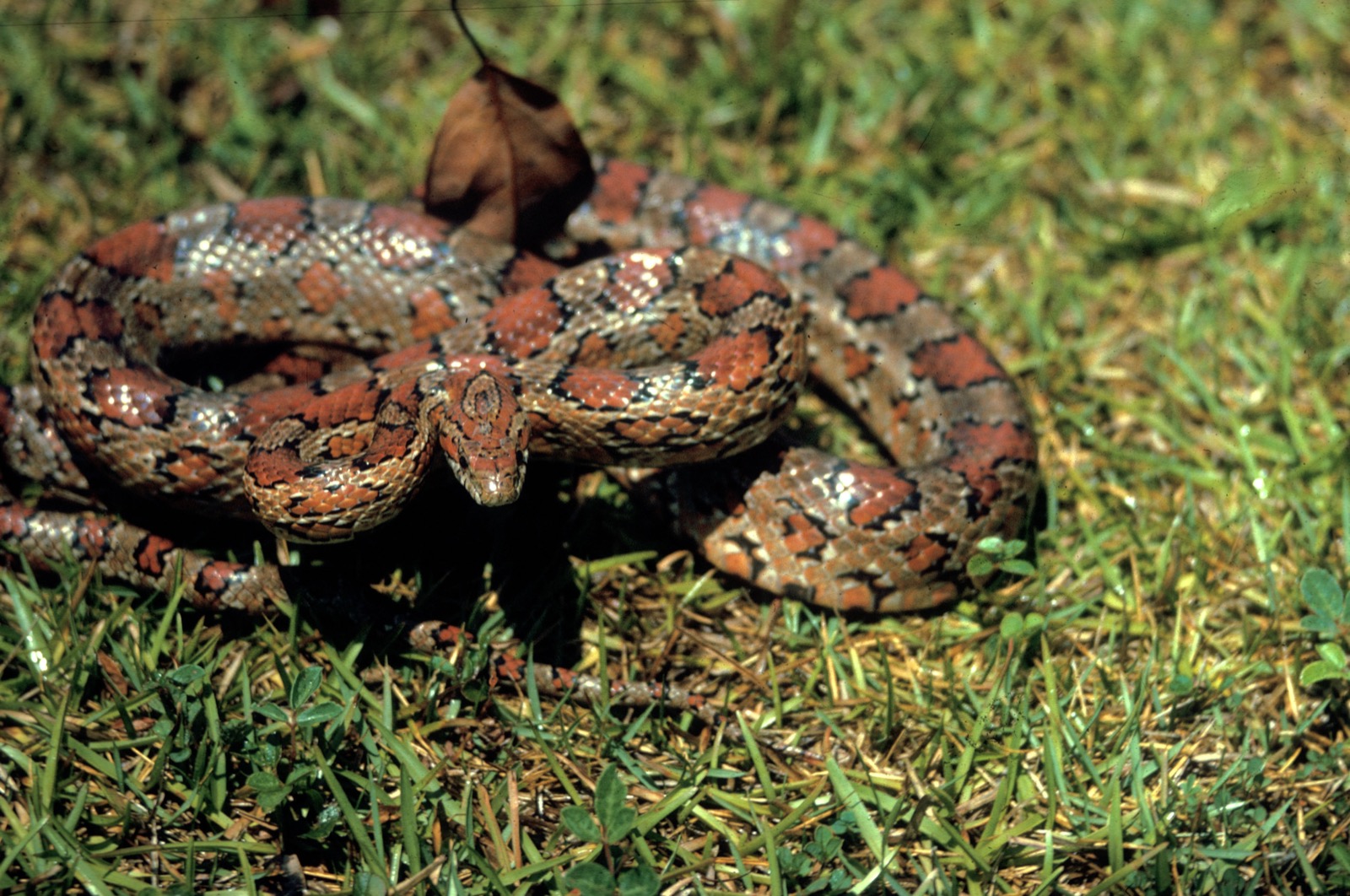
A significant reason not to kill snakes is the widespread misidentification of species. Many non-venomous snakes, like garter snakes, rat snakes, or corn snakes, are frequently mistaken for venomous ones due to similar patterns, coloration, or defensive behaviors. These harmless snakes play vital roles in controlling rodent and insect populations, acting as natural pest control in our environments. Killing them removes a beneficial part of the ecosystem and is an unnecessary act against an animal that poses no real threat.
Snakes are integral components of healthy ecosystems. They occupy a crucial position in the food web, both as predators and as prey. By consuming rodents, slugs, and insects, they help prevent agricultural damage and the spread of diseases these pests might carry. Their presence indicates a balanced environment, and removing them can lead to an imbalance, potentially causing an increase in pest populations.
Killing an individual snake does not address underlying reasons why snakes might be present in your yard or home, such as available food sources (rodents), shelter (dense vegetation, clutter), or water. Effective, long-term solutions involve modifying your habitat to make it less appealing to snakes, such as clearing brush, sealing entry points, and managing pest populations. These methods are safer and more sustainable than lethal encounters.
Instead of attempting to kill a snake, the safest approach is to maintain a respectful distance. Most snakes are more afraid of humans than we are of them and will retreat if given space. If a snake is in an undesirable location, like inside your home, it's best to contact a professional wildlife removal service or local animal control, who have the expertise and equipment to safely relocate the animal without harm to either the snake or yourself.
When you encounter a snake, the most important step is to remain calm and observe it from a safe distance. If you are unsure whether a snake is venomous or harmless, do not approach it. Instead, take a clear photograph from a safe distance, if possible, and use the SerpentID app to compare its markings against likely local species. This allows for accurate identification without risk, guiding your next steps, and if it is venomous, you can then contact local wildlife services for safe removal.