


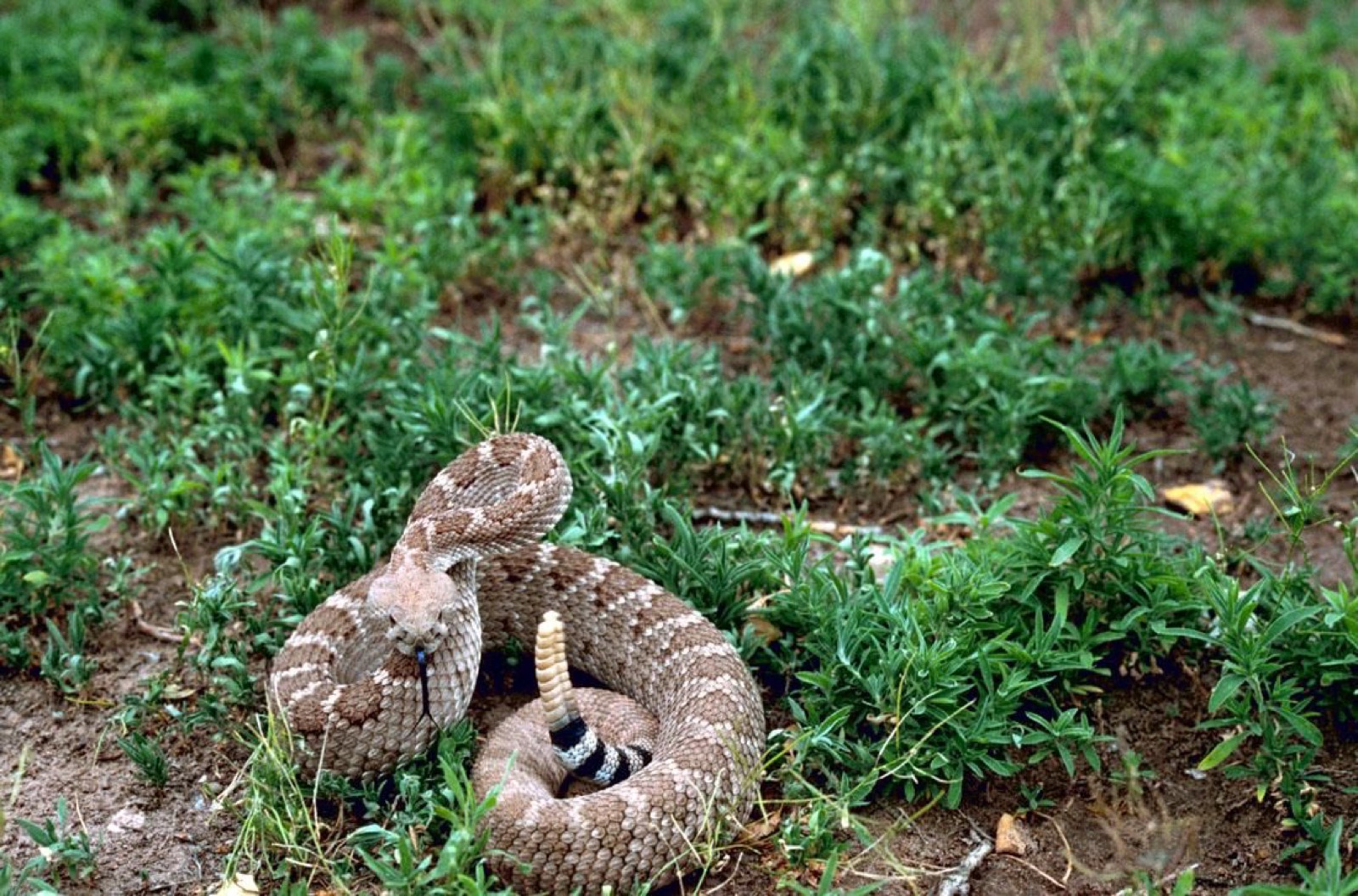
Every spring, dog owners in rattlesnake country start asking the same question at the vet's front desk: should my dog get the rattlesnake vaccine? It is a reasonable question. Dogs investigate the world nose-first, and that curiosity puts their faces and front legs right where a defensive rattlesnake is most likely to strike. In the United States, dogs are bitten by rattlesnakes far more often than people are, and many owners understandably want any extra layer of protection they can get. The honest answer is that the vaccine exists, it is widely sold, and some veterinarians recommend it in high-risk areas, but the scientific evidence behind it is thinner than many owners assume.
The product most people mean is a venom toxoid, a preparation made from rattlesnake venom that has been treated so it no longer acts as a toxin but can still prompt the immune system to make antibodies. It was developed using western diamondback rattlesnake venom and was conditionally licensed in the United States, a category that allows a product onto the market when it is considered reasonably expected to work and safe, while full efficacy data is still limited. The idea is that if a vaccinated dog is later bitten, those circulating antibodies could neutralize some of the venom, potentially buying time and reducing the severity of the injury. The manufacturer has suggested some cross-protection against related rattlesnakes and copperheads, but venom varies a great deal between species and even between populations of the same species, so that claim should not be treated as a guarantee.
Where the vaccine runs into trouble is proof. Laboratory work, including studies in mice, has shown that antibodies from vaccinated animals can neutralize some venom under controlled conditions. What is missing is strong evidence from well-designed studies of real bites in dogs, where outcomes are compared between vaccinated and unvaccinated animals bitten by known species. Retrospective reviews of veterinary records have not shown a clear benefit, though those studies have their own limitations, because bite severity varies enormously with the size of the snake, the amount of venom injected, the bite location, and the size of the dog. Partly for these reasons, major canine vaccination guidelines have classified it as non-core and noted the limited evidence, leaving the decision to the individual veterinarian and owner based on local risk.
The most important point, and the one that matters for your dog's safety, is that the vaccine is not a substitute for emergency treatment. Even manufacturers and veterinarians who support it say that a vaccinated dog that is bitten should be treated as a medical emergency. Rattlesnake bites in dogs can cause rapid swelling, severe pain, tissue damage, and problems with blood clotting, and the course is hard to predict in the first minutes. If your dog is bitten, keep it as calm and still as you can, do not try to cut, suck, or ice the wound, and get to a veterinarian or emergency animal hospital immediately. Calling ahead lets the clinic prepare, and treatment decisions, including whether antivenom is needed, belong with the vet who examines the dog.
It also helps to understand where the vaccine simply does not apply. It was made with North American rattlesnake venom in mind, so it offers no meaningful protection against the snakes that most commonly bite dogs in Australia, such as eastern brown snakes and tiger snakes, or against cobras, kraits, and Russell's vipers in India. Even within the United States, coral snakes have a very different, largely neurotoxic venom, and the vaccine is not intended for them. Owners outside rattlesnake range sometimes see the product mentioned online and assume it is a general snake vaccine. It is not, and no broad snake vaccine for pets exists.
For most households, the protection that is best supported is the unglamorous kind. Keep dogs leashed on trails during warm months when snakes are active, stay on open paths rather than letting dogs push through brush, rock piles, and tall grass, and keep yards tidy by removing woodpiles, debris, and the rodent attractants that draw snakes in. Some owners also enroll dogs in snake avoidance training, though methods and results vary, so it is worth asking your veterinarian or a reputable trainer about humane approaches. If you live in a high-risk area and are weighing the vaccine, talk it through with your vet, who knows the local snake species and your dog's health history, and decide with clear expectations rather than a false sense of security.
Prevention also depends on knowing which snakes actually share your space. If you spot a snake in the yard or on a walk, call your dog away calmly, keep your distance, and never try to handle, chase, or kill the snake. Photograph it from a safe distance and let SerpentID compare its markings against the species most likely in your area, so you know whether you are dealing with a harmless rat snake or a rattlesnake that warrants extra caution. If it turns out to be venomous and is near your home, contact your local wildlife services or a licensed snake removal professional rather than dealing with it yourself.