


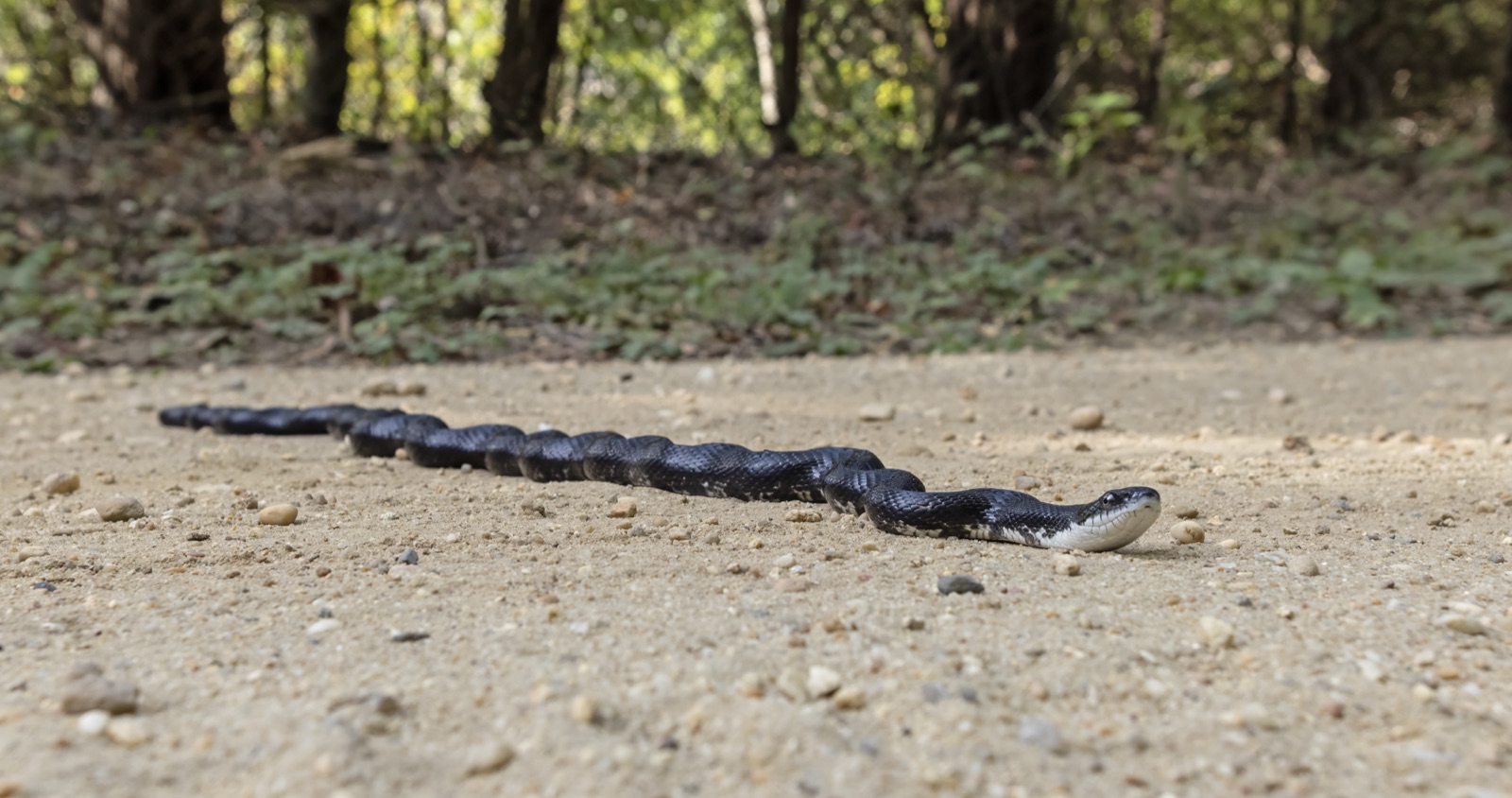
Many people assume a snake in the yard is fair game, but in much of the world that assumption can land you in legal trouble. Snakes are wild animals, and in most places wild animals are managed by government wildlife agencies rather than left to individual property owners. Whether killing a snake is illegal depends on where you live and which species it is, and the rules are often stricter than people expect. This article gives a general overview for readers in the United States, Australia, and India. It is not legal advice, and laws change, so always confirm the current rules with your state, territory, or local wildlife authority.
In Australia, the answer is clear: native snakes are protected wildlife under state and territory legislation, and that includes venomous species such as eastern brown snakes, tiger snakes, and red-bellied black snakes. Killing, injuring, capturing, or keeping a native snake without the appropriate authority is an offence across the country, and penalties can include substantial fines. Australian authorities consistently advise residents to keep their distance and contact a licensed snake catcher or relocator if a snake needs to be moved. Beyond the legal risk, wildlife agencies point out that many bites happen when people try to kill or catch a snake, so the law and personal safety point in the same direction.
India has some of the strongest protections. Snakes are covered under the Wildlife (Protection) Act, 1972, which lists many species in its schedules, including familiar ones such as the spectacled cobra, Indian rat snake, and Indian rock python. Killing, capturing, trading, or harming a listed species can lead to fines and imprisonment, and snake charming with captured cobras is also illegal under this framework. Many Indian cities and states have forest department helplines and trained rescuers who will remove a snake from a home at no cost, and calling them is both the lawful and the safer option, especially with medically significant species like kraits and Russell's vipers that are easy to misjudge.
The United States is more of a patchwork. Federally, a handful of snakes are listed under the Endangered Species Act, including the eastern indigo snake, and harming them is a federal violation. Many states add their own protections: timber rattlesnakes, for example, are protected in several northeastern states, and some states protect broad categories of nongame wildlife, which can include common harmless species. Other states allow people to kill certain snakes, particularly venomous ones, under limited circumstances such as an immediate threat to people, pets, or livestock. Because these rules differ from state to state and even between species that look alike, a homeowner who kills a snake they believe is a copperhead may discover it was a protected harmless lookalike.
There are also practical reasons beyond the law to avoid killing snakes. A large share of bites from venomous snakes happen when people try to kill, catch, or handle them, and a snake that seems dead can still deliver a reflexive bite. Killing one snake rarely solves a recurring problem, because shelter and food sources such as woodpiles, dense vegetation, and rodents will simply attract another. Most snakes found around homes are harmless and actively help by eating mice, rats, slugs, and insects. Removing the attractants, sealing entry gaps, and letting professionals handle any relocation addresses the cause rather than the symptom.
If a snake is causing a genuine concern, the lawful path is straightforward. Keep people and pets well back, do not try to trap, corner, or move it yourself, and contact your state or territory wildlife agency, local forest department, animal control, or a licensed snake removal service. Many of these services can advise over the phone whether the species is likely dangerous and whether removal is even necessary. If anyone is bitten, seek professional medical help immediately rather than trying to catch or kill the snake for identification.
Knowing what you are looking at makes every one of these decisions easier, and it is the best way to avoid harming a protected or harmless species by mistake. Stay at a safe distance, take a clear photo with your phone's zoom, and let SerpentID compare its markings, shape, and pattern against the snakes most likely to occur in your area. If the result suggests a venomous species, or you are unsure, keep your distance and contact your local wildlife services so a trained professional can handle it within the law.