


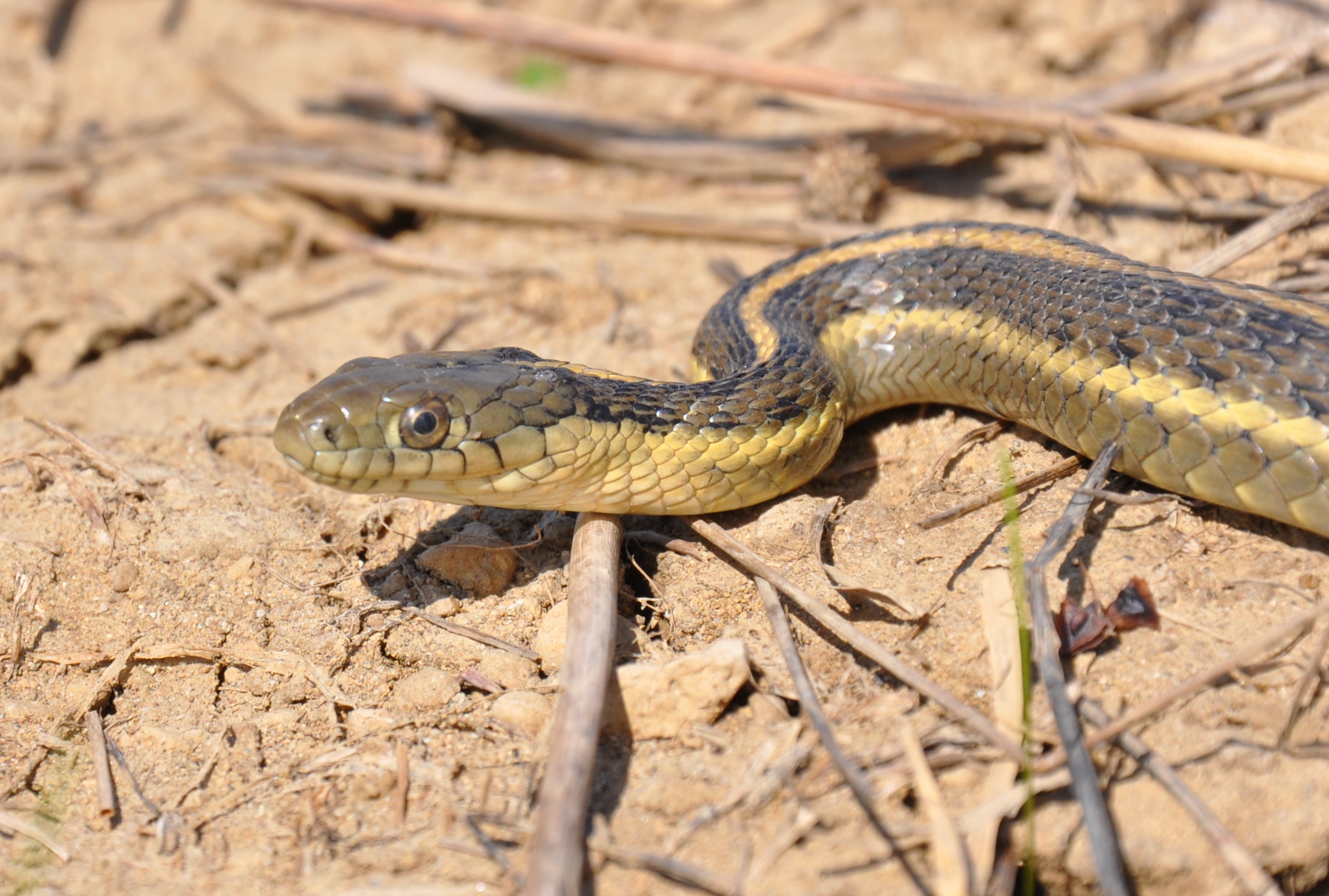
Finding a snake in your yard or, even more surprisingly, inside your home, can be startling. While many snakes are harmless and simply passing through, knowing how to safely encourage them to leave is crucial for both your peace of mind and the snake's well-being. The primary rule is always to prioritize safety by maintaining a respectful distance and never attempting to handle the snake directly. Most snakes want to avoid conflict and will move on if given the opportunity.
For snakes encountered outdoors in your yard, the simplest and often most effective method is patience and providing an escape route. Clear any obstacles between the snake and a natural exit point, such as a wooded area, a field, or dense shrubs away from your home. If the snake is not moving, a gentle, continuous spray of water from a garden hose, directed near the snake but not directly at it, can often encourage it to relocate. Alternatively, a long-handled broom or rake can be used to gently sweep the ground around the snake, creating vibrations that prompt it to move away. Remember to always keep a safe distance, typically several feet, to avoid startling the snake into defensive behavior.
If you find a snake indoors, especially a small or slow-moving one, you might consider a cautious "container method." Place a sturdy container, such as a wastebasket or a box, over the snake. Then, carefully slide a piece of stiff cardboard or a broom handle underneath to trap the snake inside. Once secured, you can carry the container outdoors to a safe, natural area away from your home and release the snake. This method should only be attempted if you are absolutely certain the snake is non-venomous and small enough to manage without risk. For any uncertainty, or if the snake is larger or appears agitated, do not proceed.
For larger, faster-moving, or unidentified snakes found inside your home, the safest course of action is containment followed by professional help. If possible, close doors to isolate the snake in one room, blocking any gaps under doors with towels. If you can, place a heavy object against the bottom of the door to prevent it from pushing through. Once the snake is contained, immediately contact a local animal control service, a professional wildlife removal specialist, or a qualified herpetologist. These experts have the training and equipment to safely remove the snake without harm to themselves or the animal.
Beyond immediate removal, understanding what attracts snakes to your property can help prevent future encounters. Snakes are often drawn to yards by readily available food sources like rodents, insects, or amphibians, and by shelter such as dense vegetation, woodpiles, rockeries, or clutter. Keeping your grass mowed, clearing brush, sealing cracks in your home's foundation, and managing rodent populations are effective long-term strategies. Eliminating easy access to water sources like leaky faucets or pet bowls can also make your property less inviting to snakes.
It's important to debunk common misconceptions about snake deterrents. Many commercially sold "snake repellents," whether granular products or ultrasonic devices, have little to no scientific evidence supporting their effectiveness and can often be a waste of money. Furthermore, intentionally killing a snake is not only dangerous but often illegal, as many non-venomous species are protected. Beyond the legal implications, killing snakes disrupts local ecosystems by removing natural predators of pests like rodents, potentially leading to other problems.
Ultimately, safety is paramount when encountering any snake. If you see a snake, always maintain a safe distance and observe it from afar. If you're unsure of its species and want to identify it, take a clear photograph without getting closer and use the SerpentID app to compare its markings against local species. If the snake is identified as venomous, or if you are at all uncertain, contact your local wildlife services for professional assistance. Never approach, attempt to handle, or try to harm a snake, as this is when bites most often occur.