


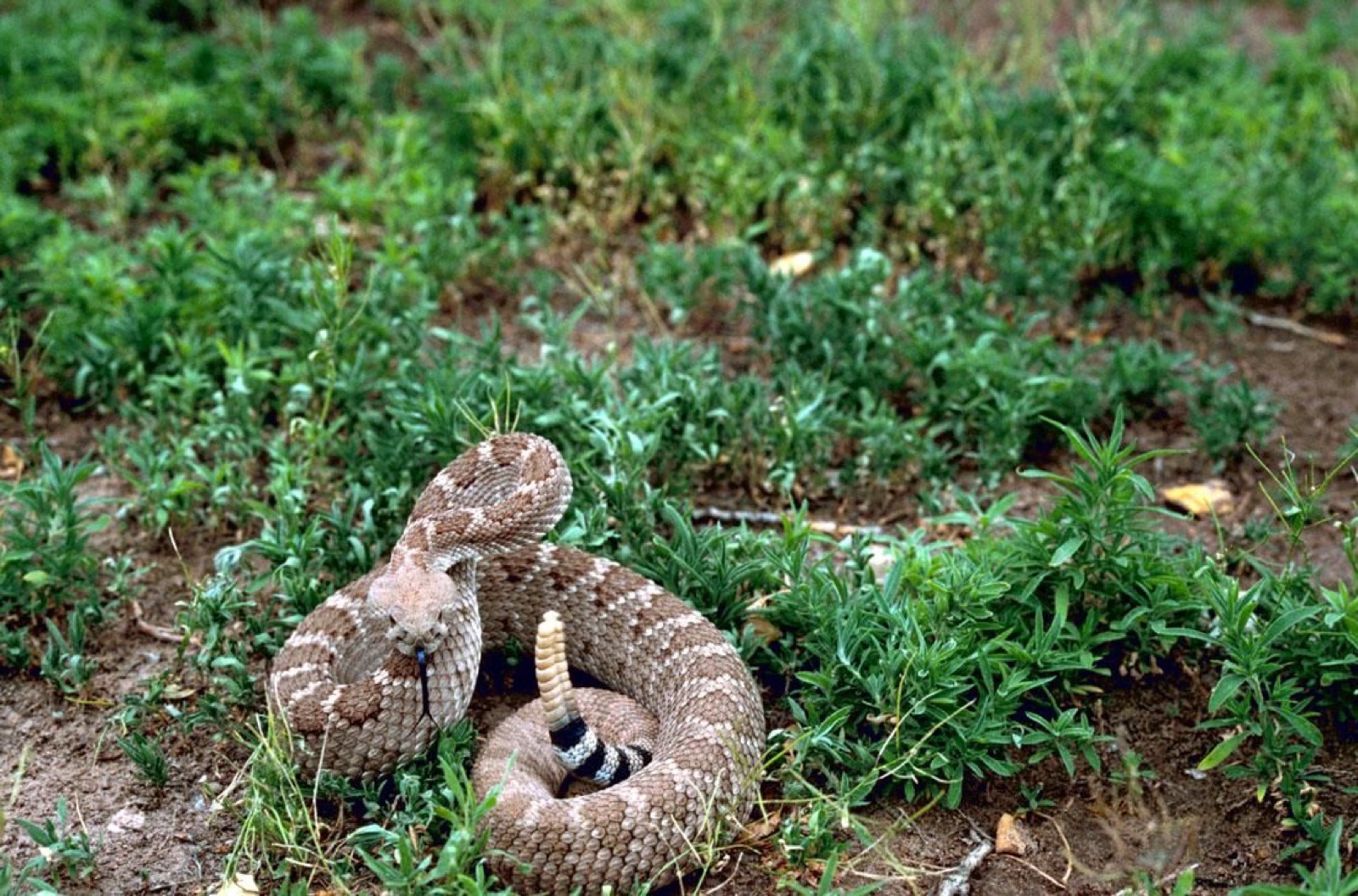
While the thought of a snake bite can be frightening, it's important to remember that snakes are generally not aggressive creatures. They prefer to avoid confrontation and typically only bite humans when they feel threatened, are surprised, or are being handled. Most bites occur when people attempt to capture, kill, or interact with a snake. By understanding snake behavior and implementing a few practical safety measures, you can dramatically reduce the likelihood of an unwanted encounter and stay safe in snake-prone environments.
The primary way to avoid a snake bite is to be observant of your surroundings, especially when outdoors. Snakes often blend seamlessly into their environment, making them difficult to spot. When hiking, walking through tall grass, or working in your yard, always look where you step and where you place your hands. Be particularly cautious when reaching into dark, hidden areas like woodpiles, rock crevices, thick brush, or under leaf litter. If you're out at night in snake habitat, use a flashlight to illuminate your path and potential hiding spots.
Appropriate attire can offer a crucial layer of protection. When in areas where snakes might be present, wear closed-toe shoes, preferably boots that cover your ankles, and long, thick pants. This provides a physical barrier against incidental contact. Hikers in particularly dense or rocky terrain might also consider wearing snake gaiters, which cover the lower leg and can prevent fangs from penetrating. Additionally, carrying a stick to tap ahead on trails or probe potential hiding spots can alert snakes to your presence, giving them a chance to retreat before you get too close.
Should you encounter a snake, the most critical rule is to give it space. Do not approach the snake, attempt to touch it, or try to move it. Snakes will almost always choose to flee if given the opportunity. If a snake is in your path, slowly back away and allow it to move off on its own. If it's indoors, calmly contain the snake in one room if possible, seal off any escape routes, and contact a professional snake catcher or local wildlife services for safe removal. Never try to pick up a snake, even if you believe it to be non-venomous or dead, as many snakes can play dead or strike defensively.
Maintaining a tidy home and yard is another effective strategy for preventing snake encounters. Snakes are attracted to areas that offer shelter, food, and water. Keep grass mowed short, clear away piles of brush, rocks, lumber, or debris, and trim shrubs and ground cover away from your home's foundation. Control rodent populations, as snakes are often drawn to areas with an abundant food supply. Seal any cracks or openings in your home's foundation, around pipes, and under doors to prevent snakes from entering your living spaces.
It's important to dispel common myths that can lead to dangerous situations. Snakes do not 'chase' people; any rapid movement towards you is almost always a defensive strike or an attempt to escape in a direction that happens to be yours. Likewise, never rely on folk remedies or unproven snake repellents, as their effectiveness is largely unscientific and can provide a false sense of security. The most reliable protection comes from respecting snakes and understanding their natural instincts to avoid conflict.
In the event you do encounter a snake and need to identify it, always do so from a safe distance. Photographing the snake's markings, head shape, and overall coloration without getting close can provide vital information for identification using tools like the SerpentID app. If you suspect the snake is venomous or if you are unsure, contact local animal control or a professional wildlife removal service immediately. For any snake bite, seek professional medical help immediately and do not attempt to treat the bite yourself.