


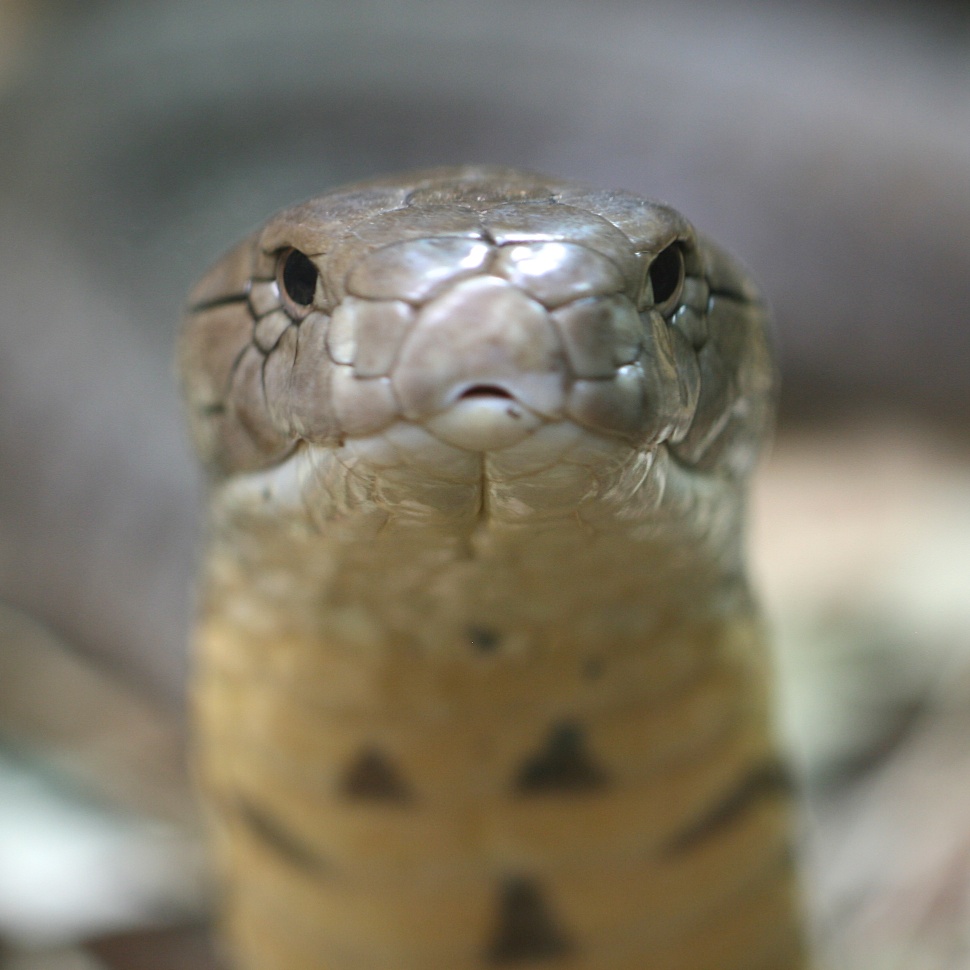
The question of how smart snakes are often arises from a human tendency to compare animal intelligence to our own. When we look at snakes, their seemingly mysterious and often surprising behaviors can lead to assumptions about their cognitive abilities. However, scientific understanding reveals that snake intelligence is not about complex reasoning or emotional depth, but rather a highly specialized form of cognition perfectly tuned for survival within their specific ecological niches. They are masters of their environment, not through abstract thought, but through efficient, instinct-driven responses and keen sensory perception.
At the core of snake behavior are powerful instincts. These ancient reptilian brains primarily drive responses related to the fundamental needs of life: finding food, avoiding predators, regulating body temperature, and reproducing. When a snake strikes at prey, seeks a warm basking spot, or retreats from a perceived threat, these actions are largely pre-programmed, efficient, and refined over millions of years of evolution. They do not typically 'think through' complex scenarios or strategize in the way a mammal might; instead, they react to environmental cues with remarkable speed and precision.
A significant part of a snake's "intelligence" lies in its exceptional sensory capabilities, which serve as its primary tools for navigating the world. While their eyesight varies by species, many snakes possess an acute sense of smell, facilitated by their flicking forked tongues which collect airborne particles and deliver them to a specialized organ in the roof of their mouth. Pit vipers, boas, and pythons also possess infrared-sensing pit organs that allow them to detect the body heat of warm-blooded prey in complete darkness. These sophisticated senses allow them to perceive their environment in ways humans cannot, enabling effective hunting and defense without requiring higher-level cognitive processing.
While instinct plays a dominant role, snakes are capable of a limited form of learning and memory. They can learn to associate certain stimuli with positive or negative outcomes, such as remembering the location of a reliable food source or avoiding an area where they encountered a predator. This learning is generally associative, meaning they connect one event directly to another, rather than engaging in complex problem-solving. For example, a snake might learn to navigate a simple maze to reach food, but this is a far cry from the planning or abstract reasoning seen in some birds or mammals. They can also habituate to non-threatening stimuli, learning that certain regular disturbances pose no real danger.
Comparing snake intelligence to that of humans or other animals like primates or dolphins can be misleading, as each species' cognitive abilities are shaped by its unique evolutionary path and environmental demands. Snakes do not require social bonds, tool use, or complex communication to thrive. Their success as a group, inhabiting diverse environments across the globe, is a testament to the effectiveness of their specialized intelligence. They are incredibly efficient at what they do, and their survival strategies have proven highly successful for millions of years.
This understanding helps to debunk common myths, such as snakes being 'cunning' or acting out of 'malice.' When a snake bites, it is almost always a defensive reaction to feeling threatened, not a premeditated attack driven by aggression. Their actions are driven by the instinct to survive, to protect themselves from harm, or to secure a meal. Projecting human emotions or motivations onto snakes can lead to misunderstandings and dangerous encounters, as it misinterprets their fundamental nature.
For your safety, understanding that snakes are primarily instinct-driven creatures, relying on their acute senses and basic learning, is crucial. They are not plotting or chasing; they are reacting to their environment and perceived threats. If you encounter a snake, the best approach is always to observe from a safe distance without attempting to interact with it. A quick, clear photo from afar can allow the SerpentID app to compare the markings against likely local species, providing valuable information. If the snake is identified as venomous, or if you are uncertain, contact local wildlife services for assistance, and if a bite occurs, seek professional medical help immediately.