


The question of how much a snake weighs doesn't have a simple answer, as the diversity in size among snake species is truly astonishing. From tiny, thread-like serpents that weigh less than a paperclip to massive constrictors that can tip the scales at hundreds of pounds, the weight of a snake is entirely dependent on its species, its age, and its individual condition. There's no single 'average' weight that accurately captures the spectrum of these remarkable reptiles, making each encounter with a snake a unique observation of nature's varied designs.
At the extreme light end of the spectrum are species like the Barbados threadsnake, which is considered the smallest snake in the world. These diminutive serpents are barely thicker than a spaghetti noodle and typically weigh less than one gram—truly a featherlight presence in their ecosystem. Other small species, such as earth snakes and some garter snakes, might weigh only a few ounces, feeling no heavier than a small handful of coins. These tiny snakes often lead secretive lives, burrowing through soil or hiding under leaf litter, their negligible weight perfectly suited to their hidden existence.
For the common snakes one might encounter in a backyard or local park in the United States, Australia, or India, weights are generally modest. A typical garter snake or rat snake might weigh anywhere from a few ounces to a couple of pounds, depending on its length and girth. Even venomous species like copperheads or small cobras often fall within this range, perhaps weighing up to four or five pounds for a particularly robust adult. These weights are comparable to everyday household items, giving a tangible sense of their physical presence.
Stepping up in size, larger non-venomous constrictors like many boas and pythons can become significantly heavier. A mature boa constrictor, for instance, can easily weigh 20 to 50 pounds, while some of the larger python species, such as the Burmese python, can reach weights well over 100 pounds. These snakes possess powerful musculature necessary for subduing their prey, and their substantial mass reflects their strength and formidable hunting capabilities in their respective habitats.
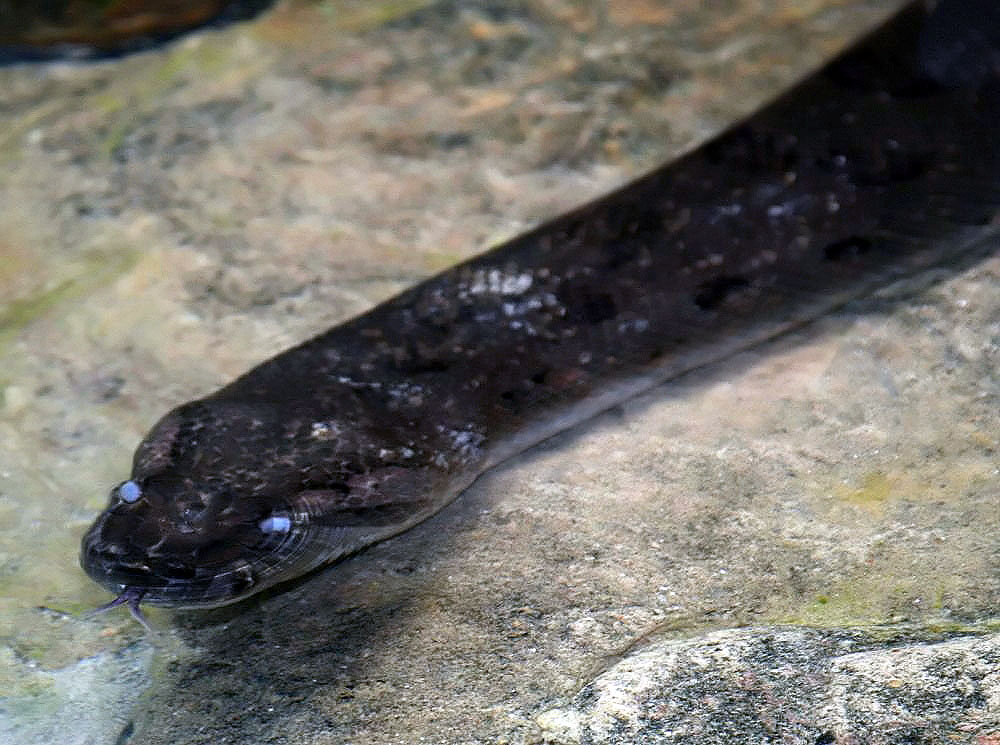
At the apex of snake weight are the giants of the serpent world: the green anaconda and the reticulated python. The green anaconda is widely recognized as the heaviest snake, with documented individuals weighing over 200 kilograms (440 pounds), and anecdotal reports suggesting even heavier specimens. While reticulated pythons can be longer, anacondas are generally bulkier, with a thicker body that contributes to their impressive mass. These colossal snakes are often found in aquatic or semi-aquatic environments, where the buoyancy of water helps support their immense bodies.
Beyond species-specific averages, an individual snake's weight can fluctuate considerably due to several factors. A snake that has recently consumed a large meal, especially prey that is significant in size relative to the snake itself, will temporarily increase dramatically in weight. Gravid (pregnant) female snakes, carrying developing eggs or live young, will also be noticeably heavier. Age plays a crucial role, with younger snakes being lighter and steadily gaining weight as they grow, though their growth rate can be influenced by food availability and environmental conditions.
While a snake's weight isn't a primary identification characteristic, understanding the general size and potential mass of local species can inform how you approach an encounter. Always maintain a respectful distance from any snake, regardless of its perceived size. If you need to identify a snake, especially one you suspect might be venomous, safely photograph it from a distance. The SerpentID app can then compare its markings against likely local species, helping you determine if it's harmless or if you should contact local wildlife services for assistance.