


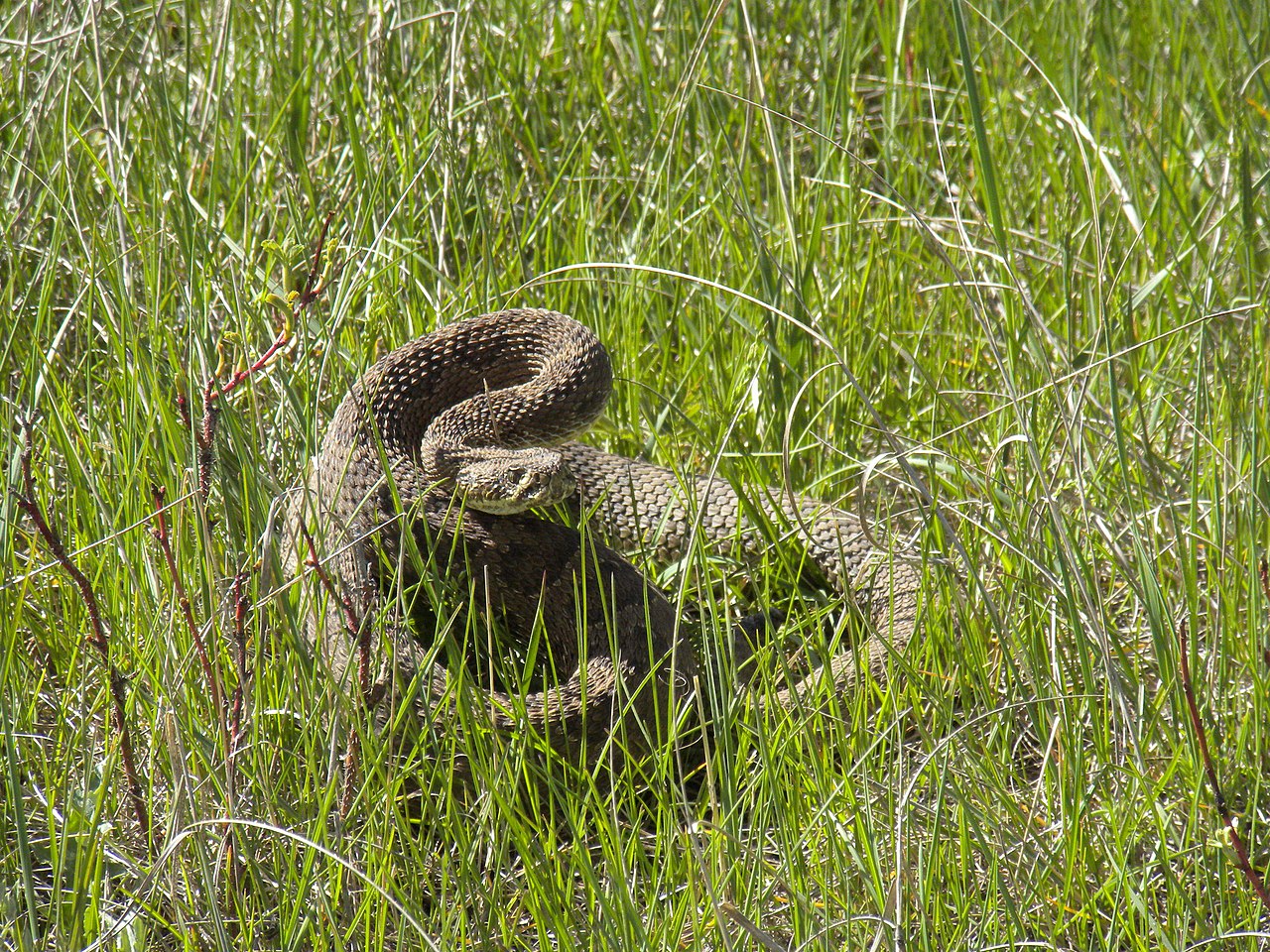
It's a common fear to assume that any snake encountered might be dangerous, but the reality is far less alarming. Out of the approximately 3,900 known snake species worldwide, only a small fraction, roughly 15-20%, are venomous. This means that for every venomous snake you might encounter, there are four or five non-venomous species. The vast majority of snakes are completely harmless to humans, relying on constriction or simply overpowering their prey without any need for venom. Understanding this fundamental fact is crucial for dispelling myths and fostering a more rational approach to snake encounters.
The distinction between venomous and non-venomous is not about aggression, but about a specialized biological adaptation. Venomous snakes possess modified salivary glands that produce toxins, which they deliver through fangs during a bite. This venom is primarily used to immobilize or kill their prey, making digestion easier, and secondarily as a defense mechanism against perceived threats. Non-venomous snakes, on the other hand, either have no fangs or have solid teeth and lack venom-producing glands, relying on other methods like constriction to subdue their meals.
The proportion of venomous snakes varies significantly by region. In the United States, for example, venomous species are limited to rattlesnakes, copperheads, cottonmouths, and coral snakes, which represent a relatively small percentage of the total snake diversity. In Australia, the situation is different; while the continent is home to a high number of highly venomous species, the actual number of bites and fatalities is relatively low due to the shy nature of most snakes and increased public awareness. India faces a significant public health challenge from snakebites, primarily due to its 'Big Four' venomous species (Indian cobra, common krait, Russell's viper, and saw-scaled viper), yet even there, the majority of snake encounters involve non-venomous species.
The widespread misconception that all snakes are dangerous often stems from an innate human fear of the unknown, amplified by dramatic media portrayals and a lack of accurate information. It can be difficult for an untrained eye to distinguish between venomous and non-venomous snakes, leading many to err on the side of caution—or panic. However, this generalized fear overlooks the intricate diversity of snakes and their varied roles in ecosystems, often leading to unnecessary harm to harmless creatures.
It's important to remember that even venomous snakes are not inherently aggressive towards humans. They are typically shy and reclusive animals that prefer to avoid confrontation. The vast majority of snakebites occur when a snake feels threatened, is stepped on accidentally, or is deliberately provoked, harassed, or handled. A snake's primary instinct is to escape danger, and a bite is usually a last-resort defensive action. Giving snakes space and respecting their presence is almost always enough to prevent a negative encounter.
Snakes play vital ecological roles, helping to control rodent populations and serving as both predator and prey in their respective food webs. Non-venomous snakes are particularly important for pest control in agricultural and urban areas. By understanding that most snakes are not a threat, we can better appreciate their contribution to healthy ecosystems and reduce the impulse to fear or harm them simply because of their appearance.
When you encounter a snake, the safest approach is always to maintain a respectful distance and observe it without disturbing it. Never attempt to handle, capture, or kill a snake, as this is when most bites occur. If you are unsure whether a snake is venomous or not, the best course of action is to take a clear photograph from a safe distance and use an identification app like SerpentID to compare its markings against local species. If a bite does occur, seek professional medical help immediately.