


The short answer is that it depends heavily on the species, and the range is enormous. A few tiny snakes produce a single egg at a time, while some heavy-bodied vipers and pythons have been recorded producing litters or clutches of one hundred or more. For most of the snakes people actually encounter in yards and on trails in the United States, Australia, and India, a typical reproductive event results in somewhere between about five and thirty young. Herpetologists use two words here: a clutch refers to a set of eggs laid by an egg-laying species, and a litter refers to live young born to a species that gives birth. Both groups fall across the full spectrum of numbers.
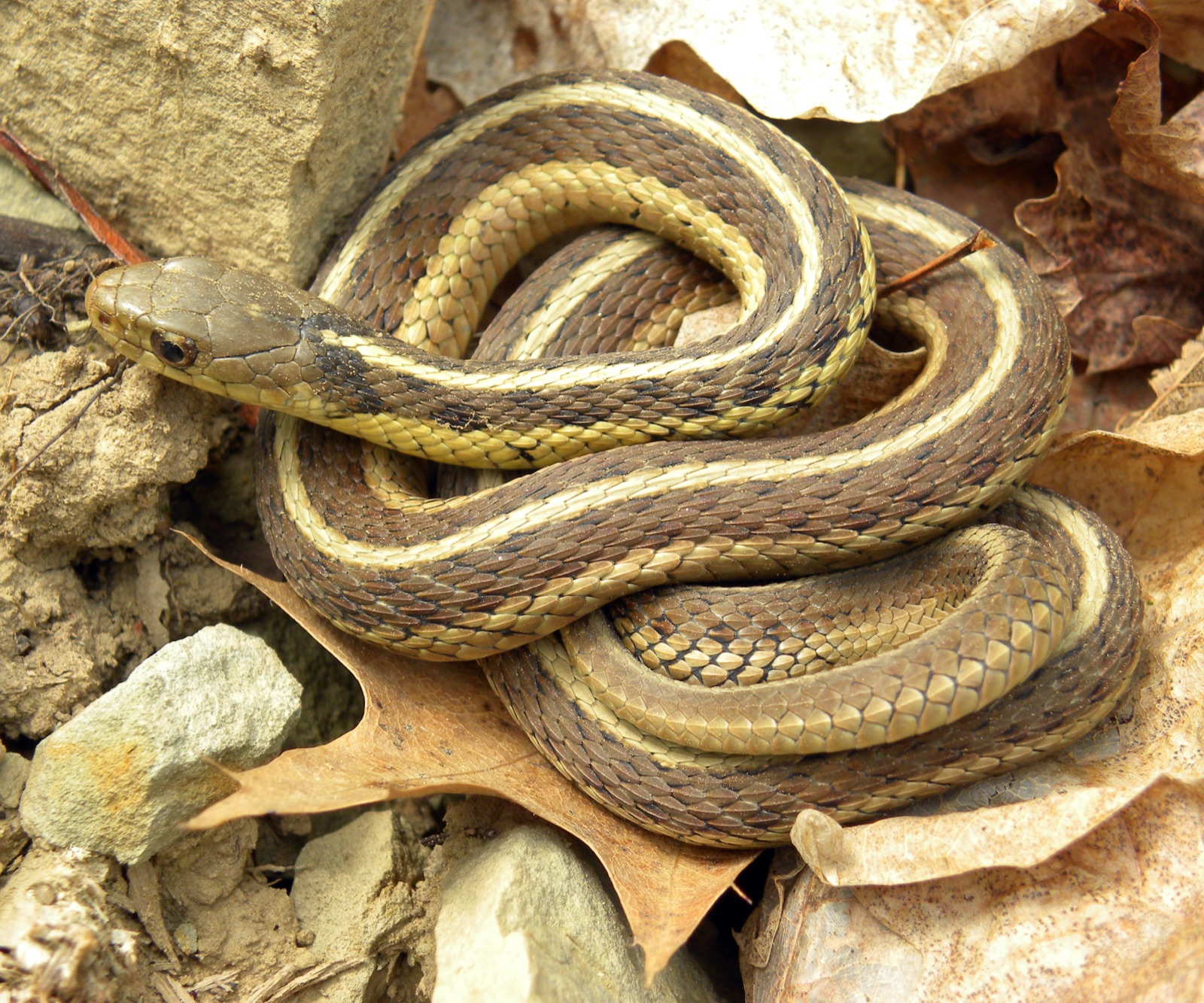
The single biggest predictor of how many babies a snake has is the size of the mother. Within a species, larger and better-fed females consistently produce more eggs or young than smaller ones, because body space and stored energy limit how many offspring she can carry. That is why published ranges for a species often look wide. An eastern garter snake might have fewer than ten babies as a small young adult and several dozen once she is large, with exceptional records reaching around ninety or more. Northern water snakes follow a similar pattern, commonly producing twenty to forty live young, with occasional much larger litters reported from big females.
Venomous species in North America tend toward the smaller end. Copperheads usually give birth to roughly three to ten young, and rattlesnakes often fall in a similar range of about four to twelve, though larger species and individuals can exceed that. Many rattlesnakes in cooler climates, including timber rattlesnakes, also do not breed every year; a female may reproduce only every two to four years because building up enough fat reserves takes time. Egg-laying colubrids such as corn snakes and rat snakes commonly lay around ten to thirty eggs. At the extreme end, very large Burmese pythons and green anacondas can produce several dozen offspring, and the puff adder of Africa holds some of the largest recorded litters of any snake, with counts well over one hundred.
In Australia and India the same principles hold. The eastern brown snake is an egg layer that often produces somewhere in the range of ten to thirty-five eggs, while the red-bellied black snake gives birth to live young, often in litters of under twenty but sometimes more. In India, the spectacled cobra typically lays a clutch of around a dozen to thirty eggs, and Russell's viper is a live-bearer known for large litters that can run to several dozen. At the opposite extreme, some of the world's smallest snakes, including certain threadsnakes, lay only a single elongated egg at a time, which makes sense for an animal barely larger than an earthworm.
One persistent myth is that a mother snake stays nearby and guards a nest full of babies for weeks. In reality, parental care is rare in snakes. Some pythons coil around their eggs and a few species such as cobras and certain pit vipers may remain near eggs or newborns for a short period, but most snakes leave the eggs after laying, and live-born young typically disperse within hours to days. Baby snakes are fully capable from birth, and in venomous species they are venomous from the start. In temperate North America, many births and hatchings happen from late summer into early fall, which is why homeowners often notice small snakes in August and September. Finding one juvenile does not automatically mean dozens are hiding nearby, since siblings scatter quickly and many do not survive their first year to predators such as birds, mammals, and other snakes.
The large numbers also explain why snakes persist even though few individuals survive. Producing many offspring compensates for high early mortality, and species that produce fewer young, like copperheads and rattlesnakes, often invest more in each one through live birth and larger body size at birth. Neither strategy means a yard is being overrun; it simply reflects how each species balances risk. If you do see a small snake, treat it with the same caution you would give an adult, keep children and pets back, and never pick it up, step over it, or try to kill it.
If you come across a baby snake or several in one area, the safest step is to identify the species rather than guess based on size or number. Photograph it from a safe distance and let SerpentID compare its markings, head shape, and pattern against the snakes most likely in your region, which can quickly tell a harmless garter or brown snake from a young copperhead, brown snake, or cobra. If the result points to a venomous species, give it plenty of space and contact your local wildlife services or a licensed snake removal professional. If anyone is bitten, seek professional medical help immediately.