


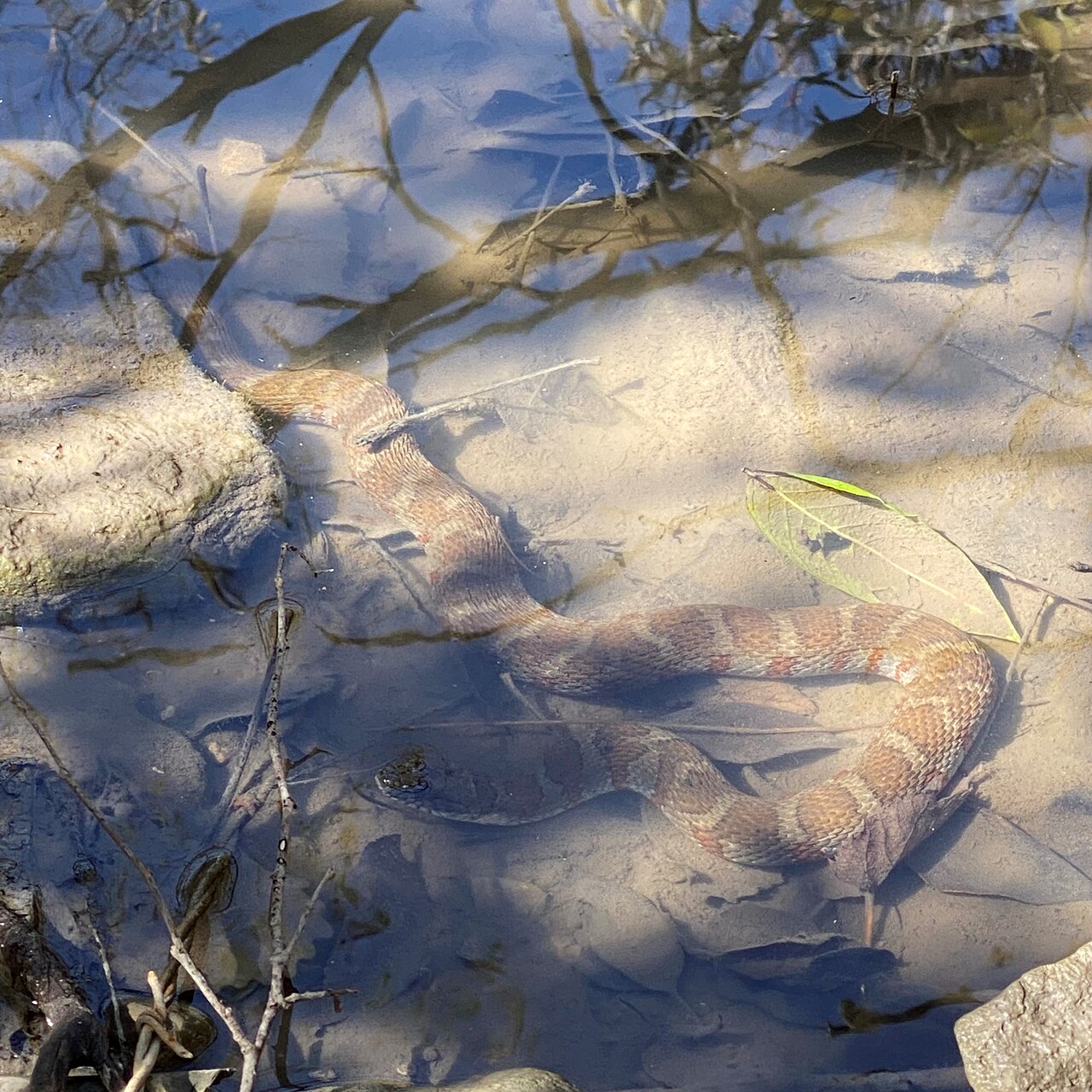
The ability of snakes to hold their breath for extended periods underwater is a fascinating aspect of their biology, especially for those species that spend much of their lives in aquatic environments. While a human might struggle to hold their breath for a minute, many snakes can easily remain submerged for several times that duration, and some specialized aquatic species can stay underwater for an hour or even longer. This remarkable feat is not just a parlor trick; it's a vital survival mechanism, allowing them to hunt, hide from predators, and navigate their watery homes with impressive efficiency. Their unique physiology, honed over millions of years of evolution, makes them perfectly suited for life both on land and beneath the surface.
At the heart of a snake's breath-holding prowess are several key physiological adaptations. Like all reptiles, snakes are ectothermic, meaning their body temperature, and consequently their metabolic rate, is largely dictated by their environment. In cooler water, their metabolism slows down considerably, reducing their oxygen demand. Furthermore, snakes possess a highly efficient respiratory system, typically featuring a single elongated lung that extends much of the length of their body, maximizing oxygen absorption. Some species even have a "tracheal lung" – a vascularized section of the trachea that can absorb oxygen directly from the air held within it, acting as an internal oxygen reserve. Their blood also has a high affinity for oxygen, allowing them to extract more from each breath and store it effectively in their tissues.
The duration a snake can remain submerged varies significantly across different species, reflecting their specific ecological niches. Fully aquatic snakes, such as sea snakes (Hydrophiinae), are the champions of underwater endurance. Many sea snake species can stay submerged for well over an hour, utilizing their specialized skin to absorb some oxygen directly from the water, in addition to their lung capacity. Semi-aquatic species, like various North American water snakes or Australian freshwater snakes, typically manage dives lasting several minutes, often sufficient for ambushing fish or escaping danger. Even some terrestrial snakes, when forced into water, can hold their breath for a surprising length of time, though not to the extent of their aquatic cousins.
Several factors influence how long an individual snake can hold its breath. Water temperature is paramount; colder water reduces metabolic activity, thereby extending dive times. A snake resting quietly will consume far less oxygen than one actively hunting, fleeing, or digesting a meal. The oxygen content of the water itself can also play a minor role for some highly adapted aquatic species that can perform cutaneous respiration (breathing through their skin), though this is usually supplementary to lung breathing. A snake's overall health and recent activity levels also contribute to its breath-holding capacity, much like an athlete's physical condition affects their lung endurance.
The primary reasons for a snake's impressive breath-holding abilities are directly tied to its survival. For aquatic hunters, it allows them to stealthily pursue and ambush prey like fish, frogs, and other aquatic organisms without needing to surface frequently. Remaining submerged also provides an effective means of evading aerial predators or land-based threats. Some snakes may even use underwater retreats for shelter or to cross bodies of water. In certain regions, some semi-aquatic species may enter a state of brumation (reptilian hibernation) submerged in muddy riverbeds or ponds during cold winter months, relying on their extremely low metabolic rate to survive for extended periods without surfacing.
Despite their remarkable capabilities, it's important to remember that all snakes, even the most aquatic, are ultimately air-breathers and must eventually return to the surface to replenish their oxygen supply. The common misconception that snakes can "drown" if held underwater indefinitely is true; their adaptations allow for extended dives, not indefinite submergence. If you encounter a snake in or near water, it's crucial to observe it from a safe distance and allow it to behave naturally. Do not attempt to interact with it, chase it, or try to determine its breath-holding limits. Even underwater, a snake can still bite if it feels threatened, though it may be less inclined to do so.
Understanding how snakes breathe underwater highlights their incredible adaptability and the diversity of life on our planet. Whether you're in the United States, Australia, or India, encountering a snake near water is a common occurrence. If you see a snake and are unsure of its identity, the safest approach is always to give it plenty of space. Take a clear photograph from a safe distance, if possible, and use the SerpentID app to compare its markings against likely local species. If you suspect it's a venomous snake, contact your local wildlife services or emergency responders immediately, and never attempt to handle or move it yourself.