


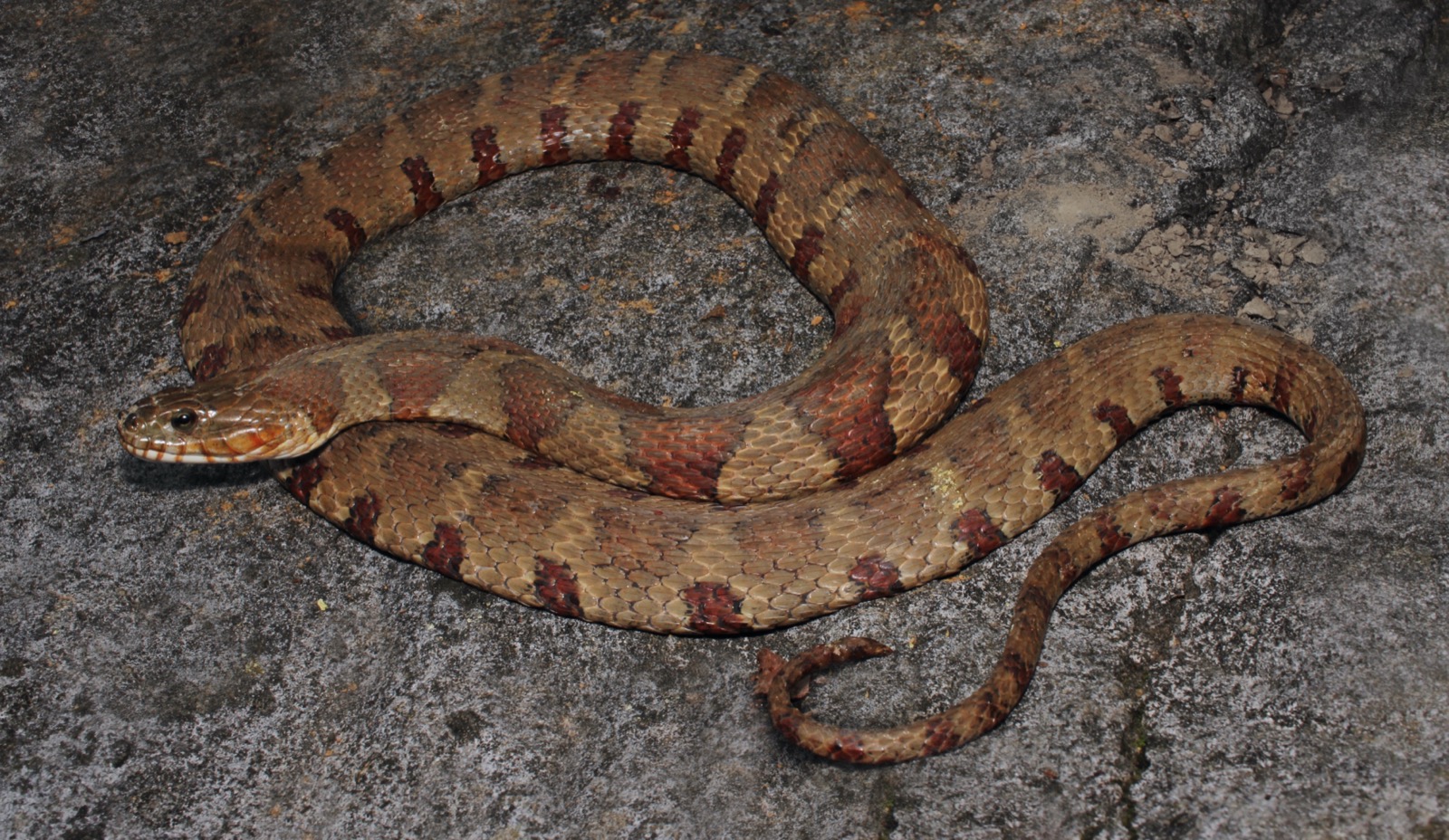
Like all living organisms, snakes require water to sustain life, but their unique reptilian physiology grants them a remarkable ability to conserve moisture, often allowing them to survive for extended periods without direct access to drinking water. Unlike humans who need frequent hydration, many snake species have evolved specialized mechanisms that enable them to thrive in environments where water is scarce. However, the exact duration a snake can endure without water is not a simple answer, as it depends heavily on the species, its habitat, and ambient conditions.
Desert-dwelling snakes, for instance, are champions of water conservation. Species found in arid regions, such as various rattlesnakes or sand boas, have developed exceptional adaptations. They often obtain a significant portion of their hydration from the moisture contained within their prey—rodents, lizards, or insects—a process known as metabolic water production. Some can even absorb dew or rainwater directly from their skin or through specialized scales. This allows certain desert snakes to go for many months, sometimes up to a year, without needing to drink standing water, a feat unimaginable for most mammals.
Beyond dietary intake, a snake's internal anatomy plays a crucial role in preventing water loss. Their kidneys are highly efficient at reabsorbing water, producing concentrated urine or even solid uric acid waste, which minimizes fluid excretion. The cloaca, a multi-purpose opening, also contributes to water retention by further extracting moisture from waste products before elimination. Furthermore, their scaly skin, while often perceived as dry, acts as a protective barrier, significantly reducing evaporative water loss compared to amphibians or mammals.
The specific needs for water vary dramatically among different snake species. Tropical snakes, living in humid rainforests or near abundant water sources, typically require more frequent access to standing water or moisture. Their bodies are less adapted for extreme conservation, as their environment provides a constant supply. Conversely, temperate species may have seasonal variations in their water intake, drinking more during active periods and less during brumation (reptilian hibernation) when their metabolic rates slow down considerably. Environmental factors like high temperatures and low humidity also increase water loss, thus shortening the time a snake can survive without rehydrating.
Despite their impressive adaptations, snakes are not immune to dehydration. Prolonged lack of water can lead to serious health issues, impairing their metabolic functions, reducing their ability to hunt, digest food, and even shed their skin properly. A dehydrated snake may appear lethargic, have sunken eyes, or exhibit wrinkled skin, and in severe cases, it can be fatal. This highlights that while snakes can endure periods of dryness, consistent access to some form of moisture is vital for their long-term health and survival in the wild.
Snakes find water in various ways, depending on their environment and species. Beyond consuming moist prey, they will drink from puddles, streams, or ponds when available. Some arboreal species may drink rainwater collected on leaves, while others might absorb dew from vegetation. In suburban or agricultural areas, snakes may be drawn to artificial water sources like leaky faucets, pet water bowls, or irrigation systems, especially during dry spells, as they seek out any available moisture to maintain their hydration levels.
Understanding a snake's relationship with water helps us appreciate their resilience and the delicate balance of their ecosystems. While it's fascinating to learn about their survival strategies, remember that observing snakes in their natural habitat should always be done with respect and from a safe distance. If you encounter a snake and are unsure of its species, never approach it. Instead, take a clear photograph from a safe distance and use the SerpentID app to identify it. Knowing whether a snake is venomous or harmless is the first step in ensuring both your safety and the snake's well-being. If it's a venomous species, contact local wildlife services for assistance.