


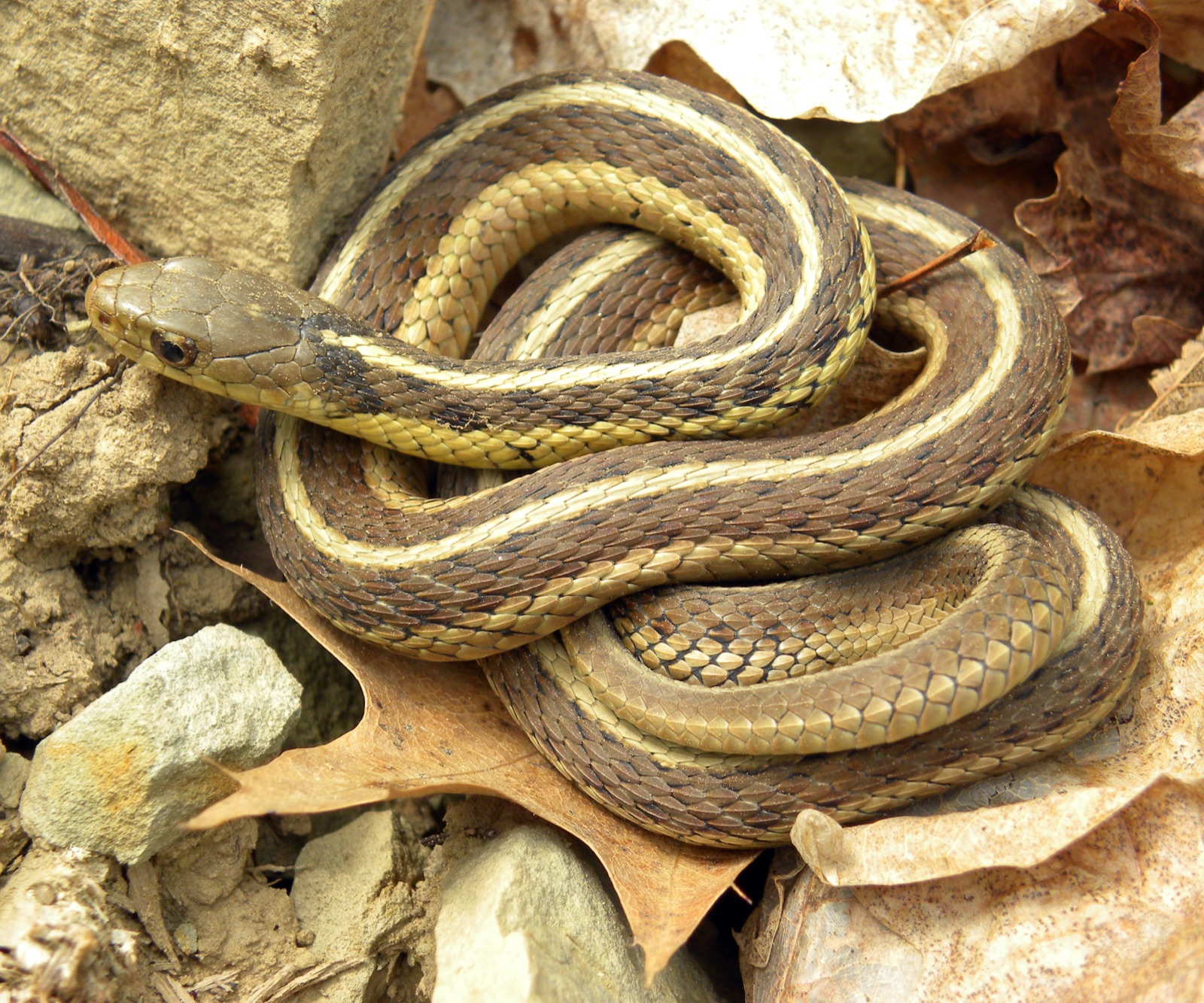
People often ask how long snakes are pregnant, and the honest answer is that it depends on the species, the climate, and how you define the start. Herpetologists usually call a pregnant snake gravid rather than pregnant, and the term applies to both egg-laying (oviparous) and live-bearing (viviparous) species. As a broad rule, the period a female actually carries developing eggs or embryos inside her body runs from about one month to roughly six months. For egg-layers, that is only part of the story, because the eggs still need weeks of incubation after they are laid.
One reason the question is tricky is that mating and fertilization are not always close together. Female snakes of many species can store sperm in their reproductive tract for months, and in some documented cases for several years. A rattlesnake or copperhead may mate in late summer or fall, carry stored sperm through winter brumation, and only ovulate and begin developing young the following spring. Counting from mating, that can look like a pregnancy of nearly a year, but the actual developmental period is much shorter. This delayed fertilization lets females time births for the season when food and warmth give newborns the best chance.
For egg-laying snakes, the gravid period after ovulation is commonly around four to eight weeks. Keepers of corn snakes and ball pythons often notice that a female sheds her skin a few weeks after ovulation, and eggs usually follow roughly a month after that shed. Once laid, eggs typically incubate for about 45 to 75 days in many common species, with temperature having a large effect: warmer conditions speed development and cooler ones slow it. Cobras in India, eastern brown snakes in Australia, and rat snakes, corn snakes, and kingsnakes in the United States all follow this general egg-laying pattern, which is why hatchlings of these species tend to appear in late summer and early autumn.
Live-bearing snakes keep their developing young inside the body until birth, which takes longer from the female's point of view. Garter snakes usually carry young for roughly two to four months, while North American pit vipers such as copperheads, cottonmouths, and rattlesnakes are often gravid for about three to six months. Russell's viper in India and the red-bellied black snake in Australia are other well-known live-bearers. Live birth is especially common in snakes from cooler climates, where a female basking in the sun can keep her embryos warmer and more stable than eggs left in the ground. Boas and many sea snakes also give birth to live young.
Snakes also do not necessarily breed every year. Many temperate vipers, including timber rattlesnakes, reproduce only every two to four years or even less often, because a female needs to rebuild fat reserves after carrying a litter. A common myth is that snake mothers abandon their young immediately in every case. Most snakes do provide little or no care after laying or birth, but there are real exceptions: pythons, including Australian carpet pythons, coil around their eggs, and king cobras guard their nests. Some rattlesnake mothers stay near newborns for a short time until the young complete their first shed.
Knowing this timing has practical value for yard and trail safety. Gravid females spend more time basking in sunny, sheltered spots such as rock edges, woodpiles, or warm pavement, and they may be less willing to move away quickly. Late summer and early fall is when many newborn and hatchling snakes disperse, so this is when people most often find small snakes in garages, gardens, and porches. Remember that newborn venomous snakes are born with functional fangs and venom, so a small size tells you nothing about safety. Give any snake, large or small, plenty of room, and never handle or try to move it.
If you come across a snake that looks heavy-bodied or find a cluster of small young snakes, the safest approach is to stay back and let them move on. Photograph the snake from a safe distance and let SerpentID compare its markings against the species most likely in your area, which can tell you whether you are looking at a harmless garter snake or a young copperhead. If the snake turns out to be venomous or is in a spot where people or pets could be at risk, contact your local wildlife services or a licensed snake relocator. And if anyone is ever bitten, seek professional medical help immediately.