


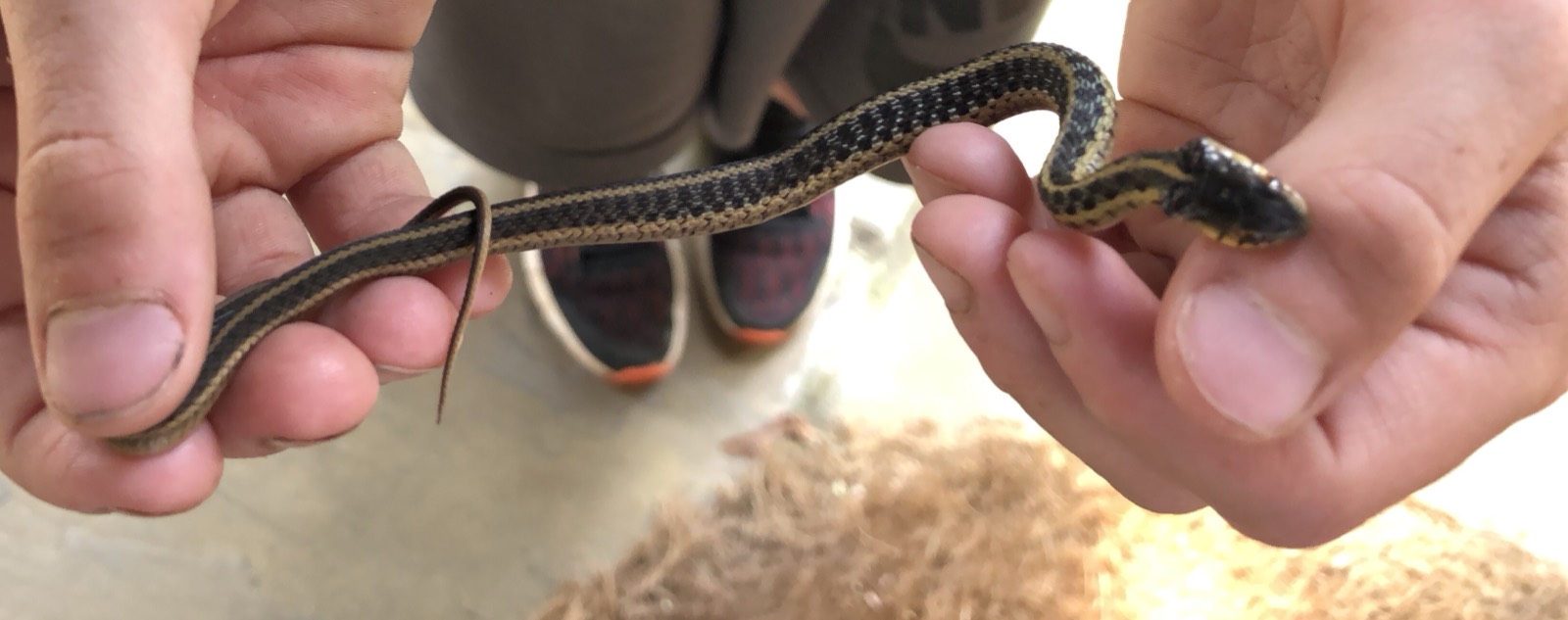
Snakes, like all reptiles, are characterized by indeterminate growth, meaning they continue to grow throughout their entire lives, albeit at varying rates. The most significant period of growth for a snake occurs during its juvenile phase, from the moment it hatches or is born until it reaches sexual maturity. During this time, a snake's primary focus is on increasing its size to become less vulnerable to predators and capable of reproduction. As ectotherms, their growth rate is intrinsically linked to external factors, particularly temperature, which directly impacts their metabolism and ability to process energy for growth.
The inherent characteristics of a snake's species play a fundamental role in its growth trajectory. Naturally, a garter snake will never achieve the colossal size of an anaconda, and their growth rates are scaled accordingly. Beyond genetics, food availability is perhaps the most critical external factor. Snakes with a consistent and abundant food supply will typically grow faster and larger than those in environments where prey is scarce. However, it's a delicate balance; while adequate nutrition promotes healthy growth, overfeeding, especially in captivity, can lead to unnaturally rapid growth and obesity, which can cause significant health problems for the snake.
Environmental temperature is another non-negotiable determinant of a snake's growth rate. As cold-blooded animals, snakes rely on their surroundings to regulate their body temperature. When temperatures are within their optimal range, their metabolism functions efficiently, allowing them to digest food, absorb nutrients, and allocate energy towards growth. Conversely, in colder conditions, snakes become sluggish, their metabolism slows dramatically, and growth can halt entirely, particularly during periods of brumation (reptilian hibernation) in temperate climates. This explains why snakes in tropical regions often grow faster and attain larger sizes than their counterparts in cooler environments, assuming other factors are equal.
The process of growth in snakes is intimately connected with shedding their skin, a process known as ecdysis. As a snake grows, its outer layer of skin does not stretch, so it must be shed to accommodate the increasing body size. Young, rapidly growing snakes shed their skin far more frequently than adult snakes, sometimes every few weeks or months. Each successful shed signifies a period of growth. As a snake matures and its growth rate slows, the frequency of shedding decreases, becoming an annual or even less frequent event for older, larger individuals.
Snakes typically exhibit two distinct phases of growth: a rapid juvenile phase and a much slower adult phase. The juvenile period is characterized by exponential growth, driven by the imperative to reach reproductive maturity as quickly as possible to pass on their genes. Once a snake reaches sexual maturity, typically between two and five years depending on the species, its growth rate decelerates significantly. At this point, a greater proportion of its energy and resources are diverted from increasing body length to reproductive efforts, such as producing eggs or live young.
Differences in growth rates are often observed between wild and captive snakes. Wild snakes may experience slower, more erratic growth due to inconsistent food sources, predation pressure, and fluctuating environmental conditions. They are constantly expending energy for hunting, defense, and thermoregulation. In contrast, captive snakes, often provided with optimal temperatures, consistent food, and minimal stress, can grow faster and sometimes larger than their wild counterparts. However, this accelerated growth isn't always beneficial; a well-managed captive environment aims to mimic natural conditions to promote healthy, sustainable growth rather than simply maximizing size.
Understanding how fast snakes grow helps us appreciate their biology and the environmental factors that shape their lives. When you encounter a snake, whether small or large, it's a testament to its journey of growth and survival. If you spot a snake and are curious about its species, remember to observe it from a safe, respectful distance. Capture a clear photograph without disturbing the animal, and let the SerpentID app help you identify it. If it's a potentially venomous species, contact your local wildlife services for guidance, ensuring safety for both you and the snake.