


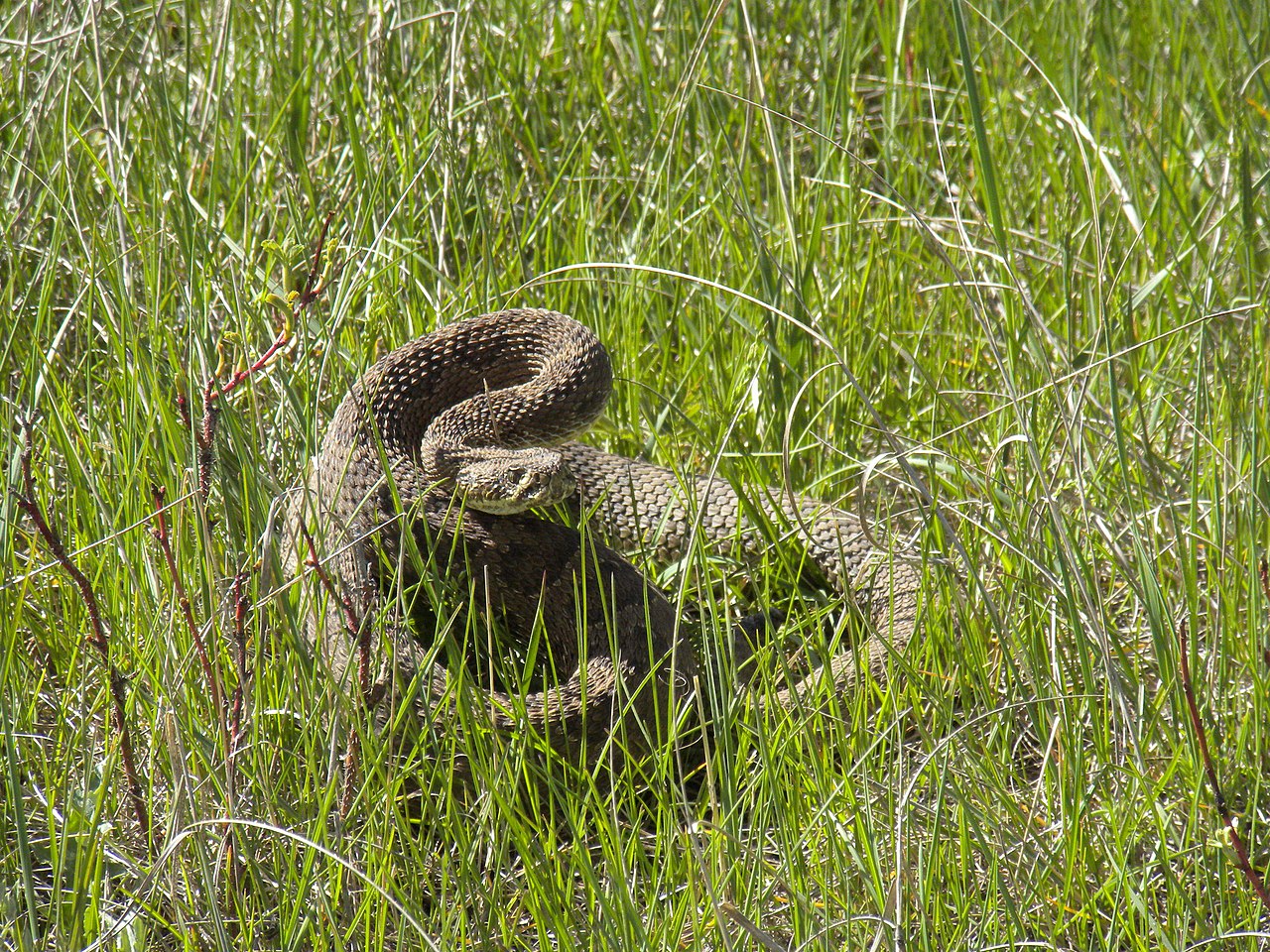
One of the most common fears people have about snakes is their ability to strike or lunge from a distance. While snakes are indeed quick, the actual range of their strike is often greatly exaggerated in popular culture, leading to unnecessary panic. Contrary to myth, snakes do not jump through the air or launch themselves across several feet. A snake's strike is a rapid, defensive lunge, and understanding its true capabilities is crucial for maintaining safety and respecting these animals.
The mechanics of a snake's strike are rooted in its powerful musculature and flexible spine. When a snake feels threatened, it typically coils its body into an S-shape, particularly the front portion. This coil acts like a spring, allowing the snake to rapidly extend its head and neck forward. The strike is essentially a rapid extension, a forward thrust of the head and a portion of its body. It's a precise movement designed to deliver a bite, not to cover vast distances.
For most snake species, the effective strike range is approximately one-third to one-half of their total body length. This means a three-foot-long snake might be able to strike about one to one-and-a-half feet. However, this is a general guideline, and several factors can influence the actual distance. Larger, heavier-bodied snakes might have a slightly shorter relative reach than slender species, and the snake's posture plays a significant role. A tightly coiled snake can achieve its maximum strike, while a snake that is already stretched out will have a more limited range.
The environment and the snake's motivation also contribute to its strike behavior. A snake on uneven ground or in dense vegetation may have a less effective strike. Furthermore, snakes primarily strike defensively when they feel cornered, surprised, or directly threatened. They are not ambush predators waiting to launch themselves at large animals like humans from afar. Their energy is conserved for hunting prey, not for chasing or attacking perceived threats that are much larger than themselves.
Given these realities, maintaining a safe distance from any snake you encounter is straightforward and highly effective. A widely accepted guideline is to stay at least twice the snake's estimated body length away. So, if you see a snake that appears to be three feet long, keep a minimum of six feet between yourself and the animal. This provides ample buffer room, even for a snake at its maximum strike potential, and ensures both your safety and the snake's ability to retreat without feeling further threatened.
It is important to remember that most snake bites occur when people attempt to handle, harass, or kill a snake, or accidentally step too close to one they didn't see. Snakes do not 'chase' people or strike without provocation. If you encounter a snake, remain calm, slowly back away, and give it plenty of space to move off on its own. Never attempt to prod, capture, or corner a snake, as these actions are almost guaranteed to elicit a defensive strike.
Understanding snake strike distance is a key part of staying safe around these often misunderstood animals. If you encounter a snake and are unsure of its species or potential danger, the best course of action is always to give it space. From a safe distance, take a clear photograph, and let the SerpentID app help you identify it by comparing its markings against likely local species. If the snake is identified as venomous, or if you are unsure, contact local wildlife services or a professional snake catcher for safe removal. In the rare event of a bite, seek professional medical help immediately.