


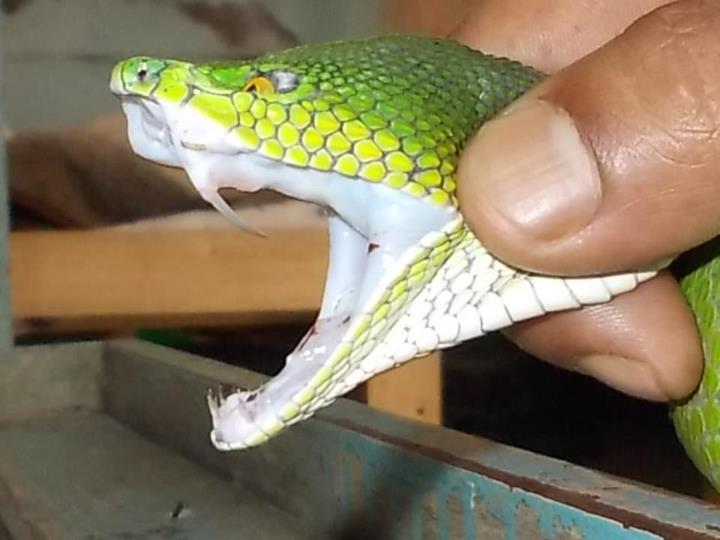
The experience of a snake bite is not monolithic; it varies widely depending on numerous factors, including the snake species, whether venom was injected, and the location of the bite on the body. For many, the initial sensation of a non-venomous snake bite can be surprisingly mild, often likened to a sharp prick from a thorn, a strong pinch, or a superficial scratch. However, a bite from a venomous snake, particularly those with potent hemotoxic or cytotoxic venoms, typically elicits a far more severe and immediate reaction, characterized by intense pain. Regardless of the initial feeling, it is crucial to treat any snake bite with seriousness and seek professional medical attention.
When a non-venomous snake bites, the sensation is primarily due to the mechanical trauma of its teeth breaking the skin. These bites often feel like a quick, sharp jab, similar to a bee sting or a needle prick, with the pain typically subsiding rapidly. You might observe several small puncture marks or a row of scratches, and there may be some localized bleeding. Crucially, non-venomous bites do not cause spreading pain, significant swelling, discoloration, or any systemic symptoms like nausea, dizziness, or difficulty breathing. The immediate discomfort is usually the extent of the physical sensation.
Bites from pit vipers, such as rattlesnakes, copperheads, and cottonmouths, commonly found across the United States, are generally characterized by an immediate and intense burning pain. This sensation often begins within minutes of the bite and can rapidly spread from the bite site, becoming throbbing and excruciating. Along with the pain, victims typically experience rapid swelling, bruising, and discoloration of the affected area. The skin around the bite might feel tight, numb, or tingly, and blisters can form. The severity of this pain is a hallmark of many venomous bites and is often the first clear indicator that a serious envenomation has occurred.
In contrast, bites from certain elapid snakes, including cobras and kraits in Asia and Africa, and coral snakes in the Americas, can sometimes present with less immediate or intense local pain. Some individuals report feeling a mild sting, a dull ache, or even minimal discomfort at the bite site initially. This deceptive lack of immediate pain can be particularly dangerous as the neurotoxic venom of these snakes begins to affect the nervous system, potentially leading to delayed but severe symptoms such as drooping eyelids, difficulty speaking or swallowing, muscle weakness, and respiratory failure. It is a dangerous myth to assume that a lack of immediate pain means the bite was non-venomous or a "dry bite."
Several factors influence the immediate sensation and subsequent experience of a snake bite. A "dry bite," where a venomous snake strikes but injects little to no venom, might feel similar to a non-venomous bite, causing only mechanical pain. The location of the bite also plays a role; bites on areas with more nerve endings or closer to bone may feel more painful. The amount of venom injected, the snake's size and species, and even the individual's psychological state and pain tolerance can all contribute to the perceived severity of the initial sensation.
The shock and fear that often accompany a snake encounter and bite can significantly amplify the perceived pain and distress. It is a natural human reaction to panic in such situations, but maintaining a degree of calm is vital for clear thinking and effective response. While the immediate sensation can be intense and frightening, focusing on the next steps—seeking medical help—is paramount. Remember that even if the initial pain is mild, it does not rule out a venomous bite requiring urgent medical evaluation.
Because the initial sensation of a snake bite is not a reliable indicator of its severity or whether venom was injected, it is always imperative to seek professional medical help immediately after any suspected snake bite. Never attempt to handle, capture, or kill the snake, as this increases the risk of further bites. Instead, if you can do so from a safe distance, take a clear photograph of the snake. This image can be invaluable for medical professionals and local wildlife services in identifying the species, which in turn guides appropriate treatment. The SerpentID app can help you compare markings against likely local species, aiding in a safe and informed response.