


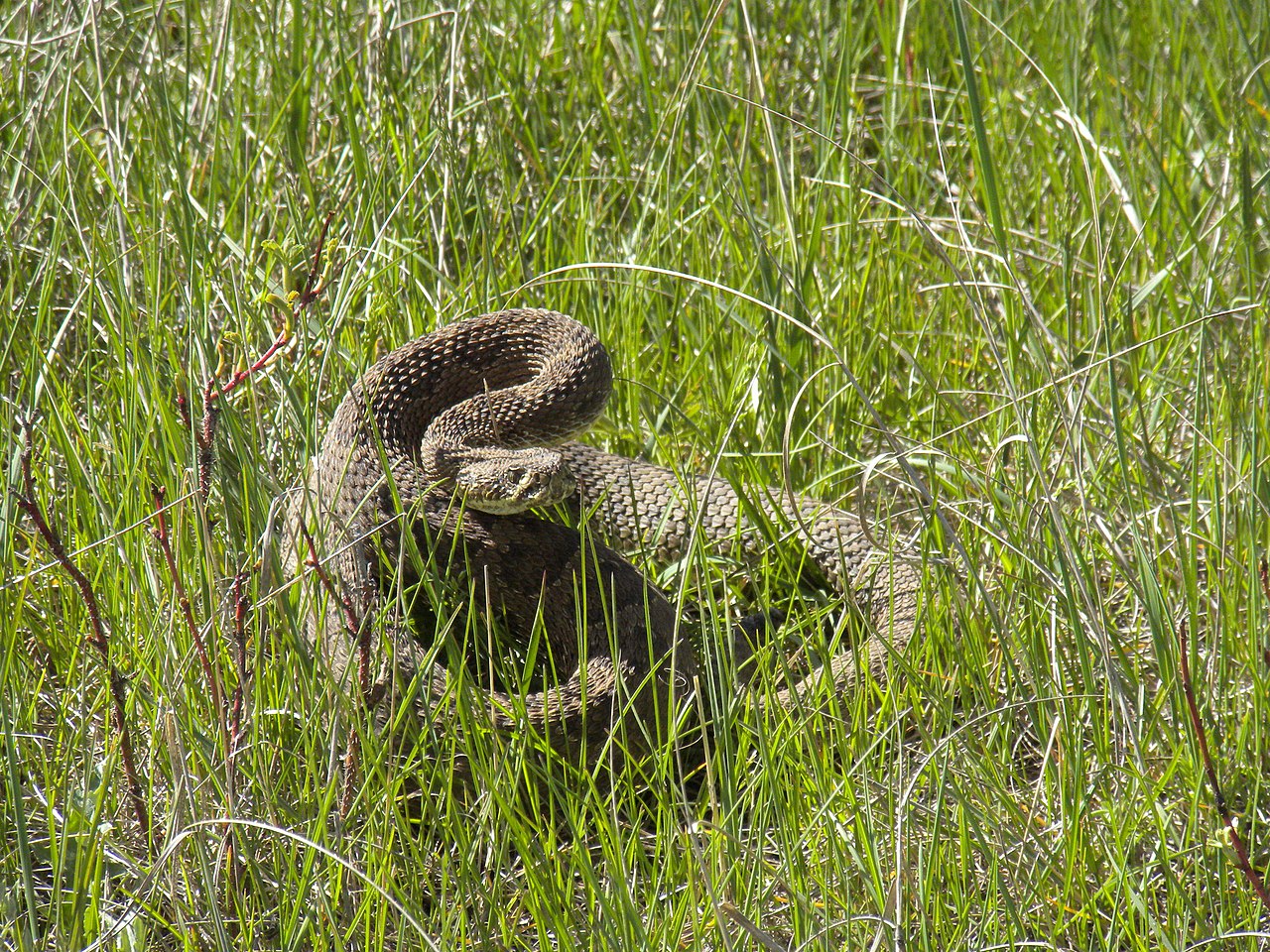
Snakes would much rather avoid confrontation than engage in a fight, and a bite is typically their final option when they feel cornered or directly threatened. Understanding that snakes are primarily defensive creatures is the first step in appreciating their warning signals. When a snake perceives danger, its initial reaction is often to freeze or attempt to flee. If escape isn't possible, or if the perceived threat persists, they will escalate their behavior to communicate their discomfort and encourage the threat to back away.
One of the most common early warning signs is a change in posture. Many snakes will coil their bodies, often into a tight S-shape, which positions them for a quick strike if necessary. This coiled stance is not an invitation to approach; rather, it’s a clear indication that the snake feels threatened and is preparing to defend itself. Some species might also flatten their bodies or heads to appear larger and more intimidating, a visual bluff designed to deter predators or perceived threats.
Auditory warnings are another crucial component of a snake's defensive repertoire. Rattlesnakes are famous for their distinctive rattle, a sound that unequivocally signals danger. Other snakes, even non-venomous ones, may hiss loudly, creating an audible warning that can be surprisingly forceful. Cobras, in particular, will spread their hoods, a dramatic visual display often accompanied by hissing, making them appear larger and more formidable.
Beyond overt displays, some snakes employ more subtle or even deceptive tactics. Hognose snakes, for instance, are renowned for their elaborate bluffing behavior, which can include hissing, flattening their heads to mimic vipers, and even playing dead by rolling onto their backs and emitting a foul musk. While these behaviors might seem theatrical, they are sincere attempts by the snake to avoid a real confrontation and potential harm.
It's important to recognize that these warning signals often occur in a sequence, escalating in intensity as the snake feels increasingly threatened. A snake might first freeze, then hiss, then coil, and finally, if the threat continues to approach or corner it, it may deliver a defensive strike. The key for human safety is to interpret these signals early and respond by giving the snake ample space. A snake that is actively displaying defensive behaviors is telling you, in no uncertain terms, that it wants to be left alone.
Understanding these behaviors is paramount for ensuring both your safety and the snake's well-being. By recognizing a snake's warnings, you can avoid startling it or pushing it to the point where it feels it has no option but to bite. Always assume a snake's defensive display is a genuine warning, regardless of the species, and act with caution and respect.
If you encounter a snake exhibiting any of these warning signs, the safest course of action is to stop, remain calm, and slowly back away. Never attempt to approach, handle, or provoke a snake. If you need help identifying a snake from a safe distance, use the SerpentID app to compare markings against likely local species. If you suspect a venomous snake or if a bite occurs, seek professional medical help immediately and contact local wildlife services for assistance with the snake.