


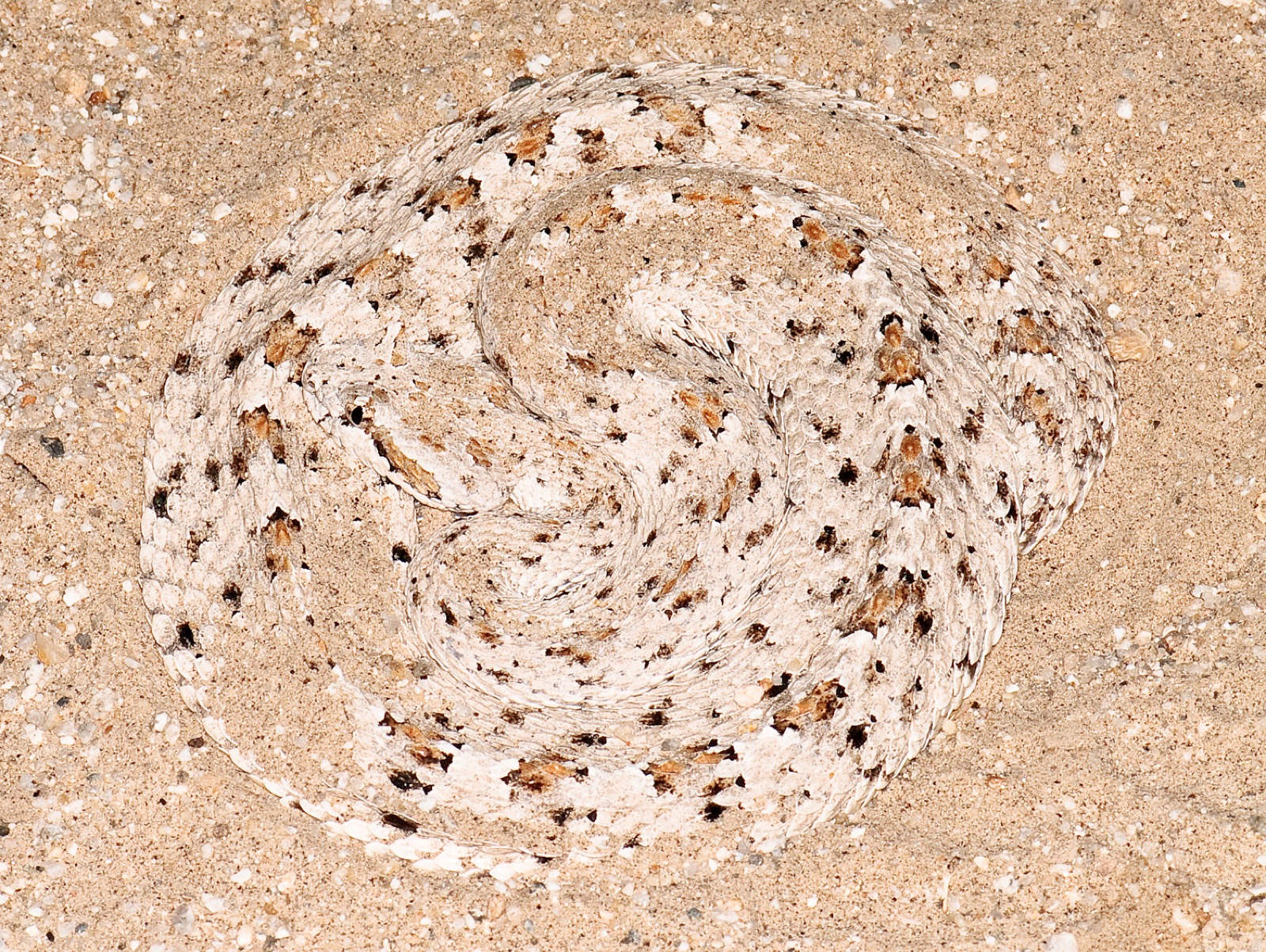
Snakes are remarkable creatures, instantly recognizable by their elongated, legless bodies. This unique form often raises the question: how do they move so effectively without limbs? The answer lies in a sophisticated interplay of muscle, bone, and perhaps most crucially, their scales. Far from being slimy, as often mistakenly believed, a snake's skin and scales are dry, smooth, or keeled, and they are perfectly adapted to facilitate every slither, climb, and glide across the landscape.
The secret to a snake's terrestrial mobility primarily resides in its ventral scales, the broad, rectangular scales that cover its underside. Unlike the smaller, overlapping scales on their backs and sides, these belly scales are designed for maximum contact and friction with the ground. They are typically wider and often have a free, slightly overlapping edge that faces backward. This arrangement allows the snake to grip surfaces, much like the treads on a tire or the cleats on a shoe, providing the necessary purchase to push against the ground and propel itself forward without slipping backward.
One of the most direct ways snakes utilize their scales is through rectilinear locomotion, sometimes called 'caterpillar' movement. This method is common among heavy-bodied snakes like pythons and boas. In rectilinear movement, sections of the ventral scales are lifted off the ground and then pulled forward by strong muscles, creating a wave-like motion along the belly. As one section of scales moves, another grips the surface, allowing the snake to inch forward in a straight line, often appearing to glide effortlessly without visible undulation of its body.
The most common form of snake movement is serpentine locomotion, or lateral undulation. Here, the snake moves by pushing its body against irregularities in the environment, such as rocks, grass, or even rough ground. While the side scales brace against these external points, the ventral scales play a critical role by preventing backward slippage. As the snake flexes its body into a series of S-shaped curves, the backward-facing edges of the belly scales dig into the surface, converting the lateral muscle contractions into forward motion. Without this specialized scale structure, the snake would simply slide sideways with each push.
For navigating loose or shifting substrates like sand, many desert-dwelling snakes employ a fascinating technique called sidewinding. This involves lifting sections of the body and laying them down at an angle to the direction of travel, creating a series of parallel tracks. During sidewinding, only two points of the snake's body are in contact with the ground at any given moment. The ventral scales are essential here, as they provide the necessary grip on the unstable sand, preventing the snake from sinking or losing traction while simultaneously minimizing contact with the hot surface.
Finally, in concertina locomotion, often used for climbing or moving through tight spaces, the snake extends the front part of its body forward, anchoring it by gripping the surface with its ventral scales. Then, it pulls the rear part of its body up, coiling it before extending the front again. This method, too, relies heavily on the scales' ability to provide powerful grip against vertical or confined surfaces, allowing the snake to effectively 'accordion' its way through challenging environments. Across all these methods, it's clear that a snake's scales are not just protective armor, but dynamic tools for movement.
Understanding how snakes move offers a deeper appreciation for their incredible adaptations. When you encounter a snake, observing its movement from a safe distance can be fascinating. If you need to identify a snake in your yard or out in the field, remember to prioritize safety. Take a clear photograph from a safe distance, then use the SerpentID app to compare its markings and features against local species. If the snake is venomous, contact local wildlife services for assistance, and always seek professional medical help immediately in the event of a bite.