


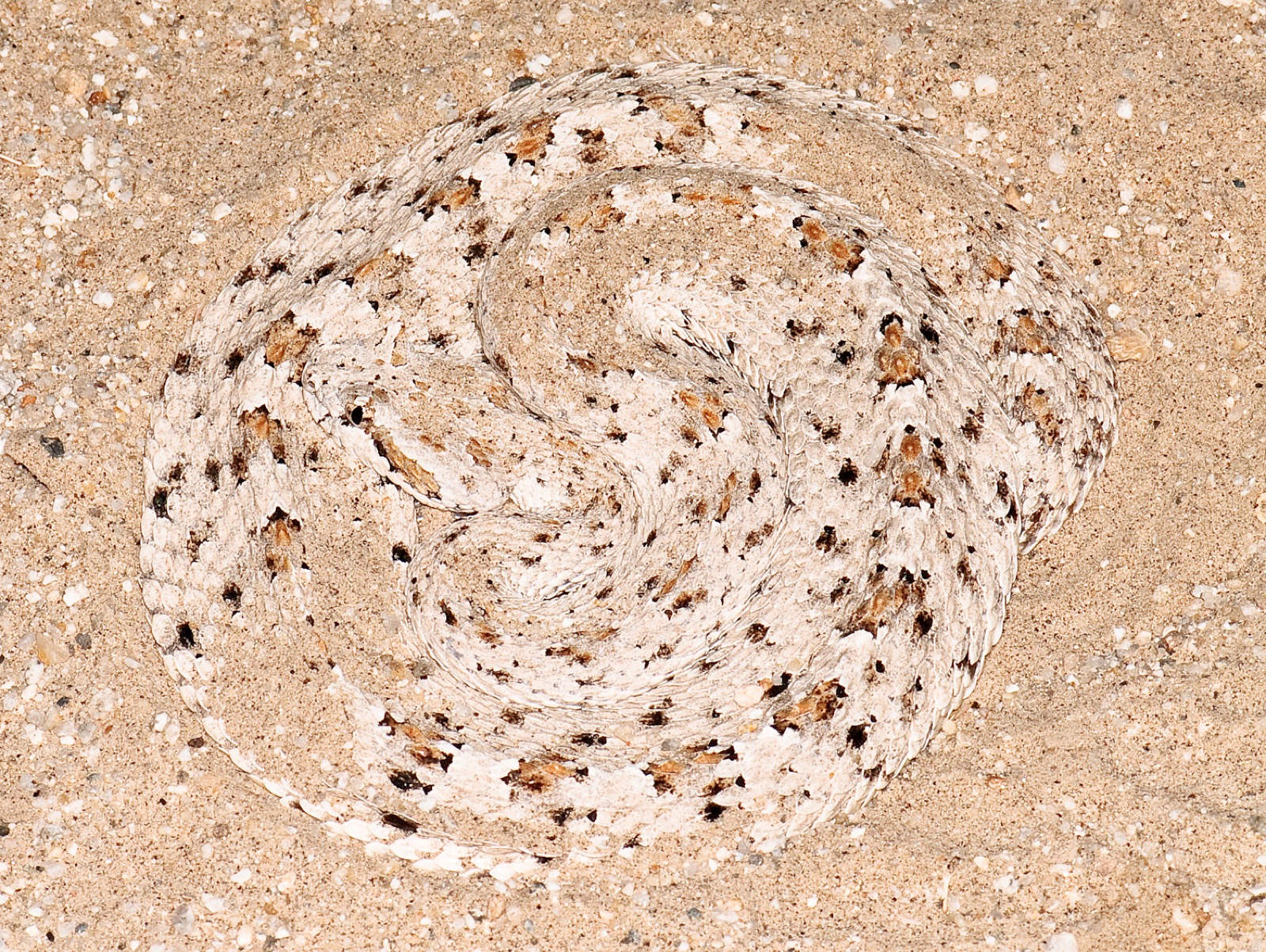
The absence of limbs is perhaps the most defining characteristic of snakes, a feature that often sparks curiosity and wonder. Far from being a hindrance, this legless body plan is a testament to millions of years of evolutionary refinement, allowing snakes to exploit ecological niches unavailable to many other animals. Their success across nearly every continent, from deserts to oceans, dense forests to urban backyards, underscores how perfectly adapted they are to a life without arms or legs.
Central to a snake's ability to thrive without limbs is its extraordinary flexibility and diverse methods of locomotion. Unlike animals with legs that push off the ground, snakes rely on the coordinated action of hundreds of vertebrae, thousands of muscles, and specialized belly scales. These scales provide friction against surfaces, allowing for efficient movement in various ways: undulation, where the body forms S-curves to push off objects; sidewinding, used by desert snakes to minimize contact with hot sand; rectilinear movement, a slow, caterpillar-like crawl; and concertina movement, where the snake bunches up and extends to climb or navigate tight spaces. Each method is a highly refined solution to moving without external appendages.
Beyond movement, a limbless existence has driven the evolution of incredibly acute sensory systems. Without the height advantage of legs to scan the environment, snakes have developed unique ways to perceive their surroundings. Their forked tongues constantly flick to collect scent particles, delivering them to a specialized organ in the roof of their mouth, providing a 'stereo' sense of smell. Many species also detect ground vibrations through their jawbones and entire bodies, sensing approaching prey or predators. Pit vipers possess heat-sensing pits, allowing them to 'see' the infrared signatures of warm-blooded prey in total darkness, a remarkable adaptation for nocturnal hunting without the aid of limbs.
The internal anatomy of a snake is also uniquely tailored to its elongated, limbless form. Organs are not stacked vertically like in many other vertebrates but are instead arranged linearly, stretching along the body. Some paired organs, like the lungs, may be elongated, with one often being significantly reduced or even absent to fit the narrow body cavity. This linear arrangement allows for efficient digestion, respiration, and reproduction within a body plan that prioritizes flexibility and slithering movement, showcasing how the entire organism is integrated around its limbless design.
For defense and concealment, the limbless body offers distinct advantages. A snake can flatten its body to appear larger, coil tightly for protection, or strike with lightning speed from a coiled position. Their sleek, elongated form allows them to slip into incredibly tight crevices, under rocks, or burrow into soft soil, making them experts at hiding from predators and ambushing prey. Camouflage, often in intricate patterns, is also highly effective when combined with their ability to remain perfectly still, blending seamlessly into their environment.
Ultimately, the survival of snakes without legs is a testament to the power of natural selection. Their legless form is not a primitive trait but a highly advanced evolutionary path that has allowed them to colonize diverse habitats and become apex predators in many ecosystems. From their specialized scales and muscles to their acute senses and streamlined internal organs, every aspect of a snake's biology is finely tuned to master a life on the ground, in the trees, or in the water, without the need for limbs.
Understanding these incredible adaptations helps us appreciate snakes as vital parts of our natural world. If you encounter a snake and are curious about its species, remember to observe it from a safe distance. Take a clear photograph without approaching and use the SerpentID app to identify it. If it's a venomous species or you are concerned for safety, contact your local wildlife services for guidance, rather than attempting to handle the snake yourself.