


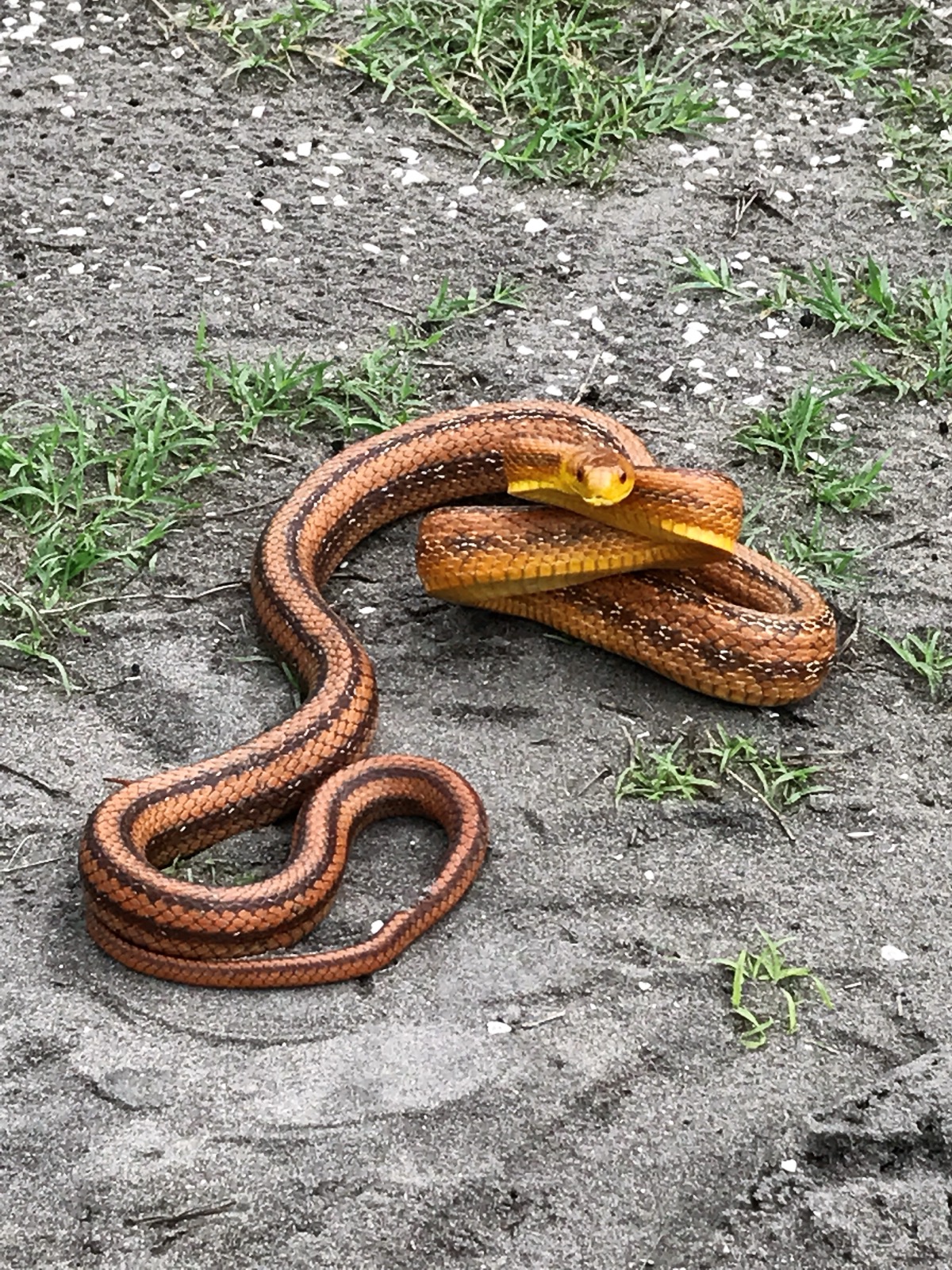
Most people envision a typical heart within a compact torso, but snakes present a fascinating biological puzzle: how does a creature with such an extended, legless form efficiently pump blood from its heart to the tip of its tail and back to its brain? This challenge is met by a series of remarkable anatomical and physiological adaptations that ensure these reptiles maintain vital blood flow throughout their entire body, whether they are resting, actively hunting, or climbing vertically. Their cardiovascular system is a testament to evolutionary efficiency, perfectly tailored to their unique serpentine shape.
The snake's heart, while functionally similar to other vertebrates with two atria and one ventricle (though often with an incomplete septum allowing for some blood mixing), is remarkably adapted to its body plan. Unlike the fixed position in many animals, a snake's heart is typically elongated and can be found anywhere from a quarter to a third of the way down its body, with its exact placement varying significantly between species. For instance, arboreal (tree-dwelling) snakes often have their hearts located closer to their heads, a crucial adaptation to help pump blood against the relentless force of gravity when they are climbing or suspended vertically. Terrestrial (ground-dwelling) and aquatic snakes, on the other hand, may have their hearts situated more centrally, providing a balanced distribution of blood across their horizontally oriented bodies.
Maintaining adequate blood pressure and flow across such a lengthy body requires sophisticated regulation. Snakes employ a combination of muscular contractions and specialized valves within their circulatory system to ensure efficient venous return, preventing blood from pooling in the lower extremities or tail. When a snake raises its head, its body actively works to increase blood pressure to the brain, a phenomenon known as orthostatic tolerance. This ability is especially pronounced in species that spend considerable time in vertical positions, preventing a debilitating drop in blood flow to the brain that would incapacitate many other animals.
One of the most incredible adaptations of the snake's cardiovascular system is its resilience during constriction. When a snake constricts its prey, it exerts immense pressure that could potentially impede its own blood flow. However, the snake's heart can actually shift its position within the body cavity, moving away from the area of greatest compression. Furthermore, their flexible rib cage and the unique structure of their lungs allow them to continue breathing and circulating blood, ensuring their brain and vital organs remain oxygenated even as they exert crushing force on their meal.
Snakes, being ectothermic or "cold-blooded," have a lower metabolic rate compared to endothermic mammals. This means their heart rate is generally slower and highly influenced by ambient temperature and activity levels. In cooler conditions, their heart rate will decrease, conserving energy and reducing oxygen demand. Conversely, when active or in warmer environments, the heart rate increases to meet the higher metabolic demand. This temperature-dependent regulation is a key aspect of their survival strategy, allowing them to optimize energy use and physiological function in varying environmental conditions.
Beyond the heart itself, the entire vascular network contributes to this remarkable efficiency. Their blood vessels are highly elastic and capable of significant vasoconstriction (narrowing) and vasodilation (widening), allowing for precise control over blood distribution to different parts of the body as needed. The lymphatic system also plays a vital role, working in conjunction with blood vessels to manage fluid balance and return interstitial fluid to the bloodstream, further supporting the overall efficiency of circulation in their elongated form. These integrated systems ensure that every part of a snake's body receives the necessary nutrients and oxygen.
The intricate ways snakes pump blood through their long, flexible bodies highlight their remarkable evolutionary adaptations, enabling them to thrive in diverse environments and perform complex behaviors. Observing these fascinating creatures in their natural habitat can be a truly enriching experience. If you encounter a snake and are unsure of its identity, remember to keep a safe distance. A clear photograph, taken from a respectful and secure position, is the best way to utilize the SerpentID app to compare its markings against likely local species. If the snake appears venomous or you are concerned for safety, contact your local wildlife services immediately for professional assistance; never attempt to handle or approach it yourself.