


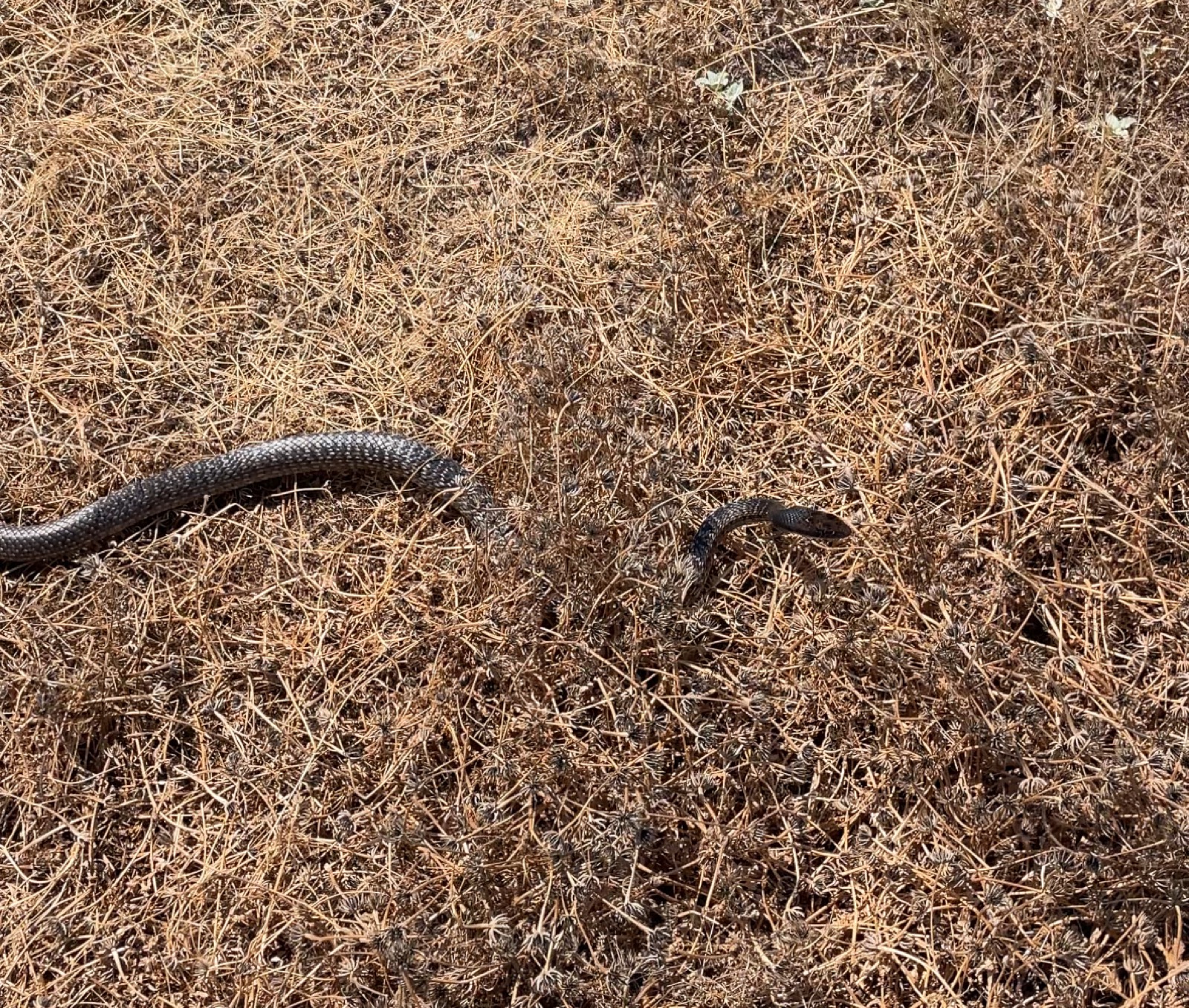
Snakes are often perceived as simple creatures, but their ability to navigate complex environments without limbs, and often with limited vision, is nothing short of remarkable. Far from relying on a single sense, snakes employ a sophisticated array of sensory tools, working in concert, to find food, locate mates, avoid predators, and discover suitable shelter. Understanding how they perceive their world reveals a fascinating picture of adaptation, relying heavily on chemical signals, vibrations, and, for some, even thermal imagery, to map their surroundings and find their way.
Perhaps the most iconic and crucial navigational tool for snakes is their acute sense of smell, or more accurately, chemoreception. When a snake flicks its forked tongue, it is not tasting the air in the human sense, but rather collecting airborne and ground-borne chemical particles. These particles are then drawn back into the mouth and pressed against a specialized sensory organ on the roof of the mouth called the vomeronasal organ, or Jacobson's organ. This organ translates the chemical information into signals about the presence of prey, the scent trails of potential mates, or the lingering odor of a predator, providing a detailed chemical map of their immediate environment that guides their movements with incredible precision.
While snakes lack external ear openings, they are far from deaf. Instead, they "hear" through vibrations transmitted through the ground and air. Their lower jawbone is highly sensitive to these vibrations, acting like a giant ear drum. When a snake rests its jaw on the ground, it can detect subtle tremors caused by approaching animals or even distant footsteps. These vibrations are conducted through the jawbone to the inner ear, allowing the snake to perceive its surroundings in a unique way. This seismic sense is vital for detecting potential threats, locating burrowing prey, and understanding the layout of their immediate terrain, guiding them through obstacles and toward safe havens.
Vision plays a varied role in snake navigation, depending heavily on the species and its lifestyle. Many snakes, particularly nocturnal or burrowing species, have relatively poor eyesight, primarily detecting changes in light and shadow, or movement. For these snakes, vision might serve as a secondary sense, alerting them to large, moving objects but not providing detailed navigational cues. However, arboreal (tree-dwelling) snakes and diurnal (daytime) hunters often possess sharper vision, allowing them to accurately judge distances for striking prey, navigating branches, or spotting predators from afar. For these species, visual landmarks can contribute significantly to their spatial awareness.
A specialized adaptation found in pit vipers, such as rattlesnakes, copperheads, and cottonmouths, is their remarkable ability to sense heat. Located in pits between their eyes and nostrils, these infrared-sensitive organs can detect minute temperature differences in their environment. This "heat vision" allows them to create a thermal image of their surroundings, even in complete darkness, making them incredibly effective nocturnal hunters. For navigation, these pits can help them detect warm-blooded prey, find sun-warmed rocks for basking, or avoid cooler areas, further enhancing their ability to move purposefully through their habitat.
Ultimately, snake navigation is a complex interplay of all these sensory inputs, integrated by their brains to form a comprehensive understanding of their world. A snake might follow a chemical trail with its tongue, simultaneously feeling ground vibrations to avoid obstacles, and using its vision to keep track of a moving target. They are also capable of spatial learning and memory, remembering successful hunting spots, migration routes, and the location of their dens. This multi-modal sensory system allows snakes to thrive in an astonishing diversity of habitats, from dense forests to arid deserts, expertly finding their way through intricate landscapes.
Observing a snake in its natural environment, perhaps flicking its tongue as it moves, offers a glimpse into its sophisticated navigational strategies. While it's fascinating to watch these creatures, always remember to maintain a respectful and safe distance. If you encounter a snake and need to identify it, take a clear photograph from a safe distance and use an identification app like SerpentID to compare its markings against likely local species. If the snake appears venomous or you are unsure, contact local wildlife services for assistance, ensuring both your safety and the snake's well-being. Never attempt to approach, handle, or harm a snake.