


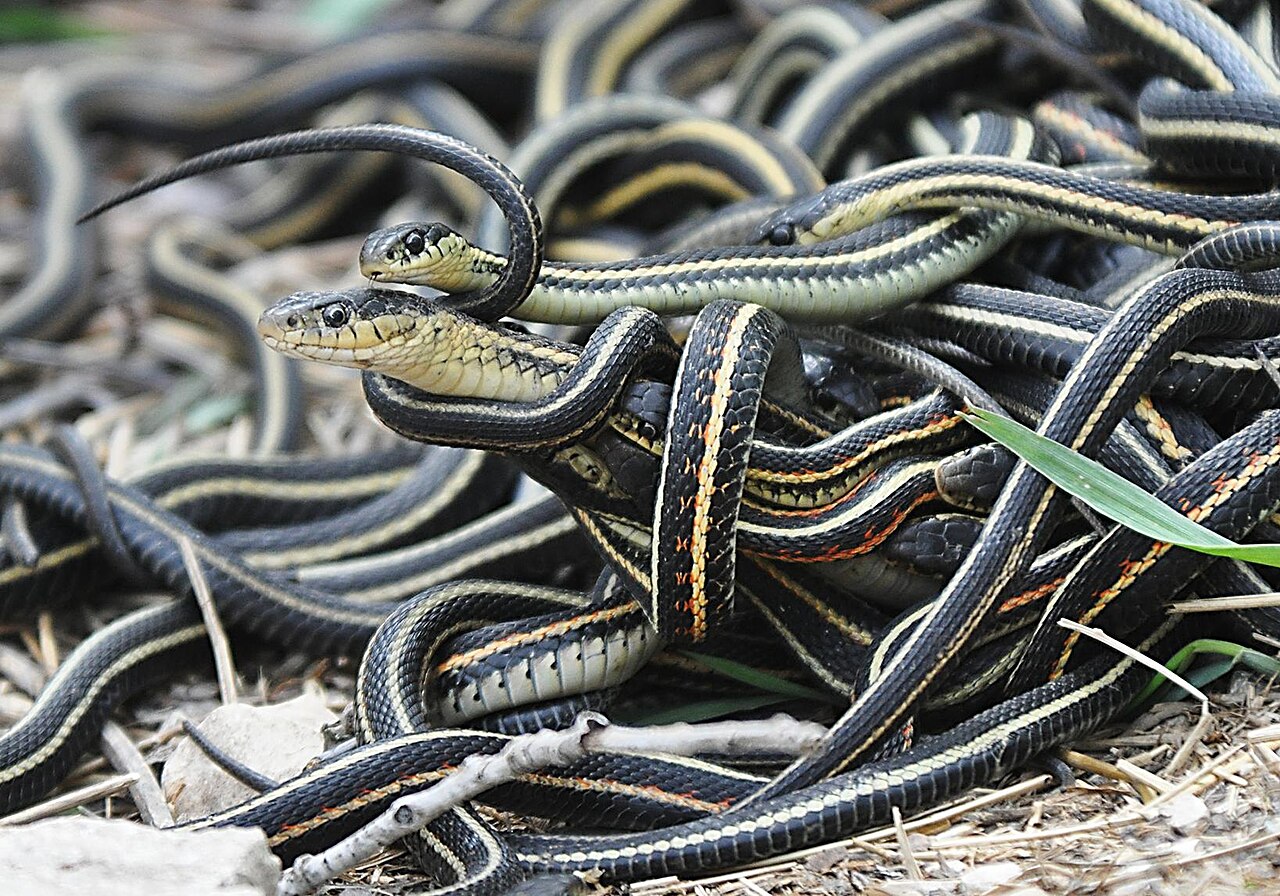
Snake mating, like many aspects of serpent life, is a highly specialized and often discreet process, far removed from the more overt courtship rituals of other animals. For a legless reptile, finding and securing a mate requires a sophisticated reliance on chemical communication and tactile interaction. While humans rarely witness these events, they are vital for the continuation of snake species across diverse ecosystems, from arid deserts to dense forests, and are largely governed by seasonal cycles and environmental cues.
The primary driver for snake mating is scent. Male snakes possess an extraordinary ability to detect pheromones – chemical signals released by receptive females. These pheromones are highly specific, allowing males to distinguish between species and identify females ready to breed. A male snake will use his forked tongue to "taste" the air and ground, picking up these chemical cues and transferring them to a specialized sensory organ in the roof of his mouth, the vomeronasal (Jacobson's) organ, which then interprets the signal, guiding him directly to a potential partner.
Once a male locates a female, courtship begins. This often involves the male moving along the female's back, rubbing his chin against her, and twitching his body in an attempt to stimulate her and encourage receptivity. In some species, particularly during peak breeding seasons, multiple males may be attracted to a single female, leading to what is often called a "mating ball" or competitive displays. These can involve males wrestling or intertwining, not to harm each other, but to assert dominance and secure mating rights with the female.
When the female is receptive, copulation occurs. Snakes possess a pair of reproductive organs called hemipenes, which are typically held inverted within the male's tail base. During mating, one hemipenis is everted and inserted into the female's cloaca. The hemipenis is often equipped with spines or hooks, which help to anchor it during copulation and ensure successful sperm transfer. Mating duration can vary significantly between species, lasting from a few minutes to several hours, depending on the snake's size and species-specific behaviors.
Following successful copulation, the female may store the male's sperm for an extended period, sometimes for months or even years, before fertilization occurs. This allows her to time egg-laying or live birth with optimal environmental conditions, such as abundant food resources or favorable temperatures. Snake reproduction itself is diverse; some species are oviparous, laying clutches of eggs in secluded, warm locations, while others are viviparous or ovoviviparous, giving birth to live, fully developed young, often after the eggs hatch internally.
Environmental factors play a crucial role in the timing and success of snake reproduction. Temperature, humidity, and the availability of food resources directly influence a snake's metabolic rate and energy reserves, dictating when they are physically capable of mating and when conditions are most favorable for the development of offspring. For example, many species in temperate regions mate in spring after emerging from brumation, taking advantage of rising temperatures and increasing prey availability to fuel their reproductive efforts.
Observing snakes in the wild, especially during mating season, offers a unique glimpse into their natural behaviors. However, it is always important to maintain a respectful and safe distance. While snakes are generally not aggressive, they are wild animals and may react defensively if they feel threatened or cornered, particularly during vulnerable activities like mating. If you encounter snakes engaged in courtship or any other behavior, appreciate them from afar. Should you need to identify a snake you've encountered, take a clear photo from a safe distance and use the SerpentID app to compare its markings against local species, helping you understand whether it's venomous and if local wildlife services should be contacted.