


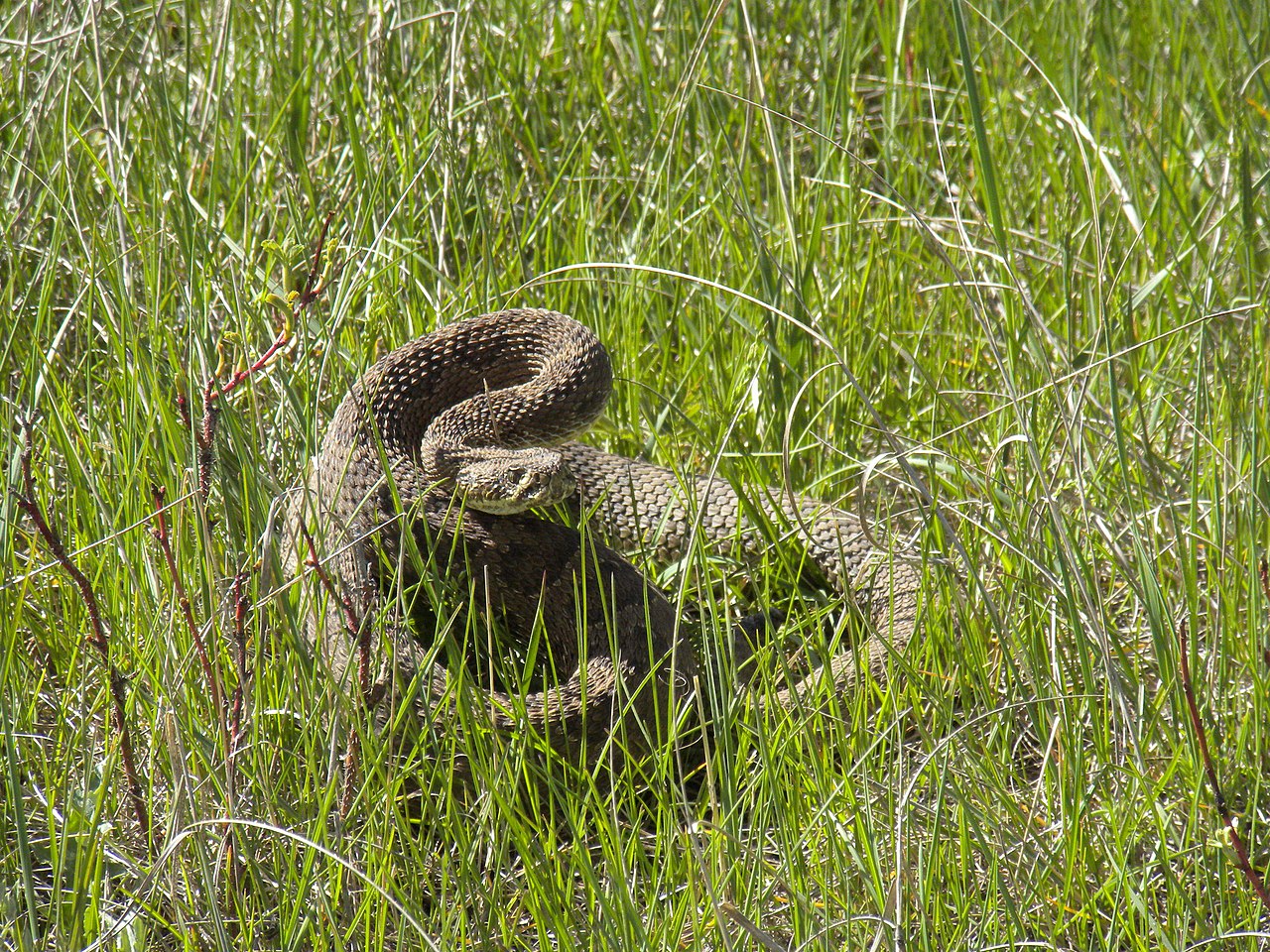
Snakes are carnivorous reptiles, meaning their survival depends entirely on successfully hunting and consuming other animals. Far from being random attackers, snakes are remarkably efficient and patient predators, having evolved a range of strategies over millions of years to secure their meals. Their hunting prowess is a testament to their adaptability, allowing them to thrive in nearly every terrestrial and aquatic habitat on Earth, from arid deserts to dense rainforests and vast oceans. Understanding how snakes hunt reveals much about their biology and their crucial role in ecosystems as regulators of prey populations.
One of the most common hunting strategies among snakes is ambush predation. Many species, particularly pit vipers like rattlesnakes and copperheads, and boas and pythons, spend long periods lying in wait, perfectly camouflaged within their surroundings. They remain motionless, often for hours or even days, until an unsuspecting prey animal, such as a rodent, bird, or amphibian, comes within striking distance. Their keen senses, including excellent vibration detection and, for pit vipers, infrared heat-sensing pits, allow them to detect prey even in complete darkness or hidden vegetation, making their ambush strikes incredibly precise and effective.
For many non-venomous snakes, constriction is the primary method of subduing prey. This powerful technique is famously used by boas, pythons, and many colubrids like rat snakes and king snakes. Once a constrictor strikes and grasps its prey, it rapidly coils its body around the victim. Contrary to popular myth, snakes do not crush their prey's bones or suffocate them by squeezing the air out of their lungs. Instead, constriction works by cutting off blood flow to the prey's brain and vital organs, leading to rapid circulatory arrest and unconsciousness, followed by death. This method is highly effective for dealing with larger, struggling prey.
Venomous snakes employ a different, yet equally effective, strategy: injecting toxins into their prey. Snakes with venom, such as vipers, cobras, and mambas, possess specialized fangs connected to venom glands. After a quick, precise strike, these snakes inject venom that rapidly incapacitates or kills their prey. The composition of venom varies greatly between species, ranging from neurotoxins that attack the nervous system to hemotoxins that destroy blood cells and tissues. This allows the snake to release its prey and follow its scent trail if the animal runs off, reducing the risk of injury to the snake during a struggle.
Beyond these primary methods, other sensory adaptations play a crucial role in a snake's hunting success. Their forked tongues constantly flick in and out, picking up chemical cues (scent particles) from the air and ground, which are then analyzed by a specialized organ in the roof of their mouth called the Jacobson's organ. This allows them to "smell" their environment in stereo, pinpointing the location of prey, potential mates, or predators. Their bodies are also highly sensitive to vibrations, which can alert them to approaching animals long before they are visible. These combined senses create a formidable hunting machine.
It's important to remember that snakes are not inherently aggressive hunters towards humans. They view us as far too large to be considered prey and will almost always choose to avoid confrontation. Bites to humans are typically defensive actions, occurring when a snake feels threatened, surprised, or cornered. Understanding their natural hunting behaviors helps us appreciate their role in nature and reinforces the importance of giving them space and respect.
If you encounter a snake in your yard or while exploring outdoors, observing its natural behavior from a safe distance is key. Never attempt to approach, handle, or provoke any snake, regardless of whether you believe it to be venomous or not. If you need to identify a snake, take a clear photograph from a safe distance, making sure to capture any distinctive markings, and use the SerpentID app to compare it against local species. If the snake is venomous or you are unsure, contact your local wildlife services for assistance, and in the rare event of a bite, seek professional medical help immediately.