


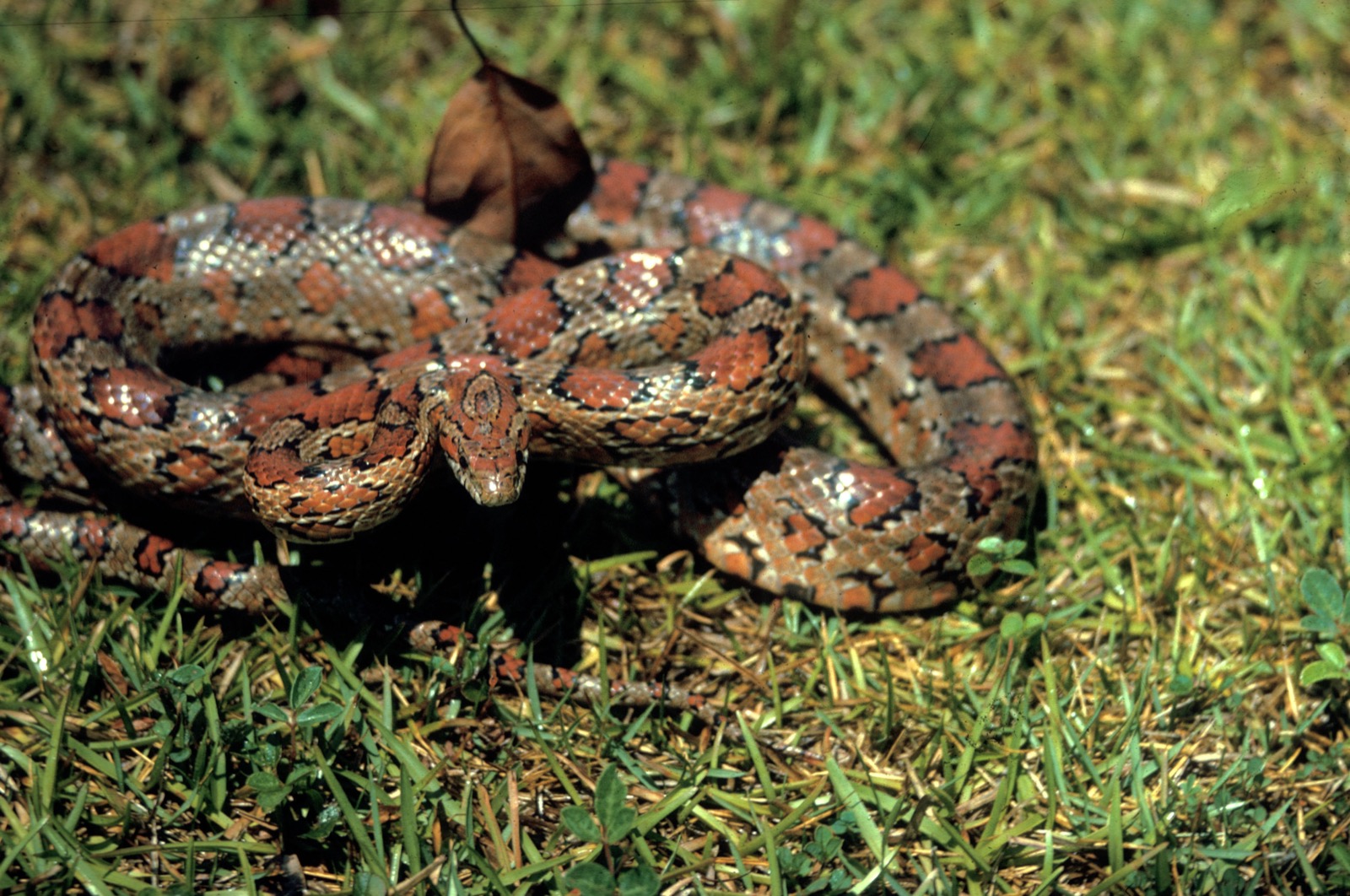
The distinctive, elongated body of a snake is a marvel of evolution, allowing them to navigate complex environments, burrow, and constrict prey with incredible efficiency. However, this unique body plan presents a significant challenge: how do all the vital internal organs fit into such a narrow space? Unlike mammals or birds with their relatively compact torsos, snakes have adapted their internal anatomy in fascinating ways to accommodate their serpentine shape, fundamentally changing the layout and form of their organs.
One of the most striking adaptations is the elongation of many organs that are typically round or compact in other animals. The liver, kidneys, and gonads, for instance, are not stubby or symmetrical but stretched out, sometimes spanning a considerable length of the snake's body. This linear arrangement means that instead of clustering together, these organs are positioned one after another along the body cavity, making the most of the limited width available.
Furthermore, many paired organs in snakes exhibit asymmetry, with one organ being significantly larger and more functional than its counterpart, or even completely absent. The most well-known example is the lungs. While most vertebrates have two functional lungs, snakes typically have one primary, greatly elongated lung that can extend for a third or more of their body length. The second lung is often reduced to a vestigial (non-functional) remnant or is entirely absent, a clear adaptation to maximize space within the narrow rib cage.
This internal restructuring extends to the digestive system as well. The stomach and intestines are also elongated and arranged sequentially. This arrangement is crucial for their feeding strategy, as it allows them to consume prey that can be significantly wider than their own body. As a large meal moves through the digestive tract, the surrounding organs can shift and compress, making space for the distended food item. This flexibility is not just in the bones and muscles, but in the entire internal architecture.
Beyond the major organs, even elements like the adrenal glands and pancreas are often elongated and positioned in a linear fashion. This elegant solution to a fundamental anatomical problem underscores the incredible adaptability of life. Every aspect of a snake's internal design, from the shape of its heart to the placement of its kidneys, is fine-tuned to support its legless existence and unique predatory lifestyle.
Understanding this specialized internal arrangement helps us appreciate the intricate biology of snakes. It’s a testament to millions of years of evolution, creating a creature perfectly suited to its niche. This design allows for the powerful musculature needed for movement and constriction, and the capacity to consume and digest large meals, all within a seemingly restrictive body shape.
Encountering a snake in the wild is a chance to observe a truly unique animal. If you see a snake and want to learn more about it, remember to keep a safe distance. Photograph it clearly from afar, and let SerpentID help you identify the species by comparing its markings against likely local species. If the snake is venomous or you are unsure, contact your local wildlife services for assistance, and never attempt to approach, handle, or harm the animal.