


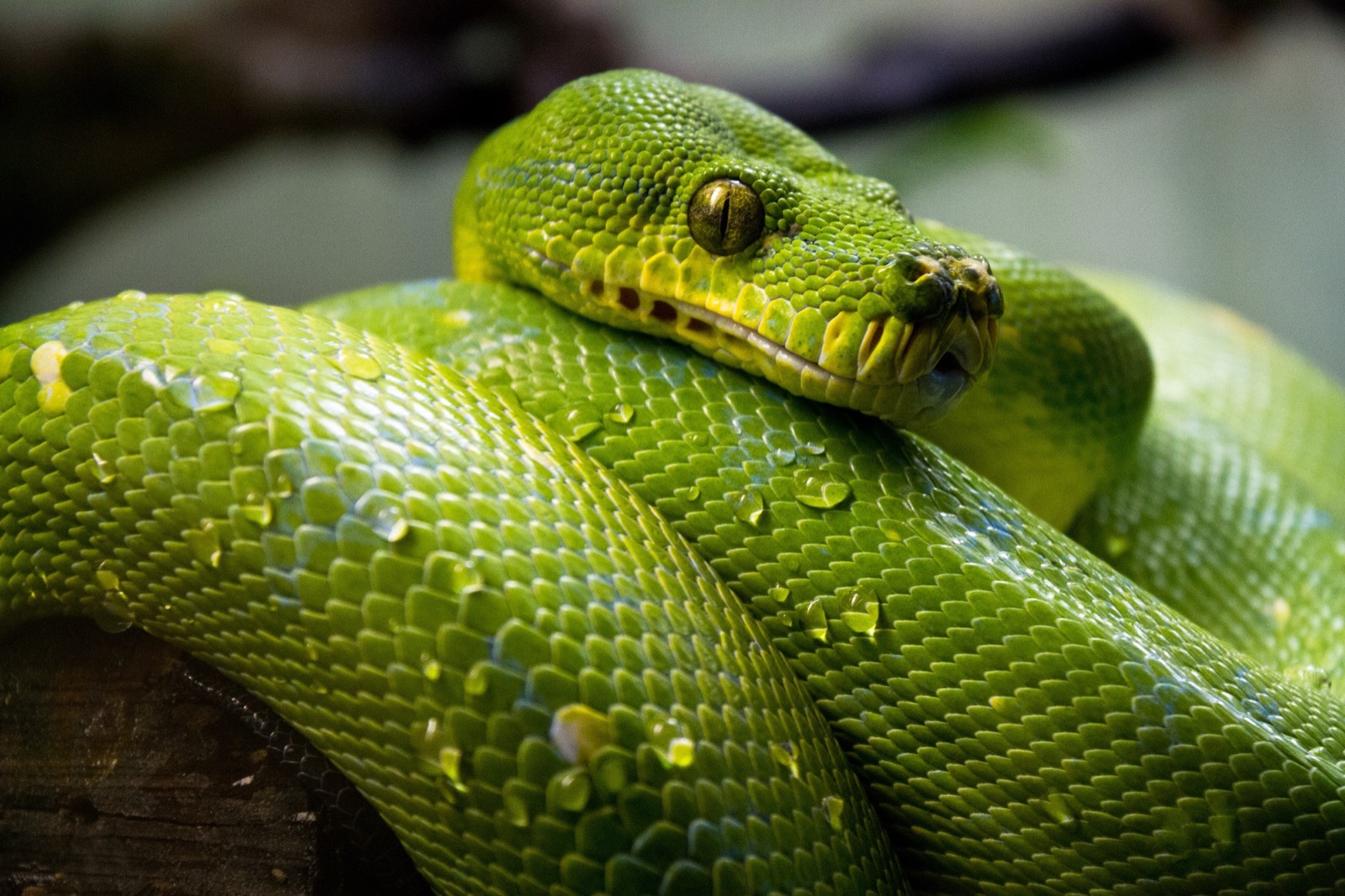
Many people believe constrictor snakes crush their prey to death, breaking bones and suffocating the animal. In reality, modern scientific understanding reveals a far more sophisticated and rapid process. Snakes that constrict primarily kill their prey by cutting off blood flow to vital organs, particularly the brain. This method, known as circulatory arrest or ischemic attack, is incredibly efficient and causes unconsciousness and death much faster than suffocation or bone crushing.
The remarkable ability to constrict is rooted in the snake's unique anatomy. Their bodies are essentially long, powerful muscle tubes supported by hundreds of vertebrae and ribs. When a constrictor captures prey, it rapidly wraps several coils around the animal. Contrary to popular belief, the snake does not simply squeeze harder and harder. Instead, it applies rhythmic pressure, tightening its grip each time the prey exhales or its heart beats, effectively creating a tourniquet effect that quickly stops blood from reaching the brain and other organs.
This process is facilitated by the snake's powerful axial musculature, which allows for immense squeezing force to be generated and sustained. The highly flexible jaw, a hallmark of all snakes, enables them to swallow their often-large prey whole once it is incapacitated. While the initial grip is about securing the prey, the subsequent tightening is a precise, physiological attack on the circulatory system, ensuring that the prey quickly loses consciousness and can be consumed safely without posing a threat to the snake.
Constrictors are found across various snake families, including the well-known boas, pythons, and many species within the Colubridae family, which includes common backyard snakes like rat snakes and king snakes. These snakes typically target mammals and birds, but some may also prey on reptiles and amphibians. Their hunting strategy relies on ambush, waiting for an unsuspecting animal to come within striking range, then quickly seizing and coiling around it. The snake's ability to sense the prey's heartbeat or breathing allows it to apply pressure precisely and effectively.
The evolutionary success of constriction lies in its effectiveness and safety for the snake. By rapidly incapacitating prey through circulatory arrest, snakes minimize the risk of injury during the struggle. This allows them to tackle prey much larger than themselves, expanding their dietary options and securing a significant meal with relatively low energy expenditure compared to a prolonged struggle. It’s a testament to the diverse and specialized adaptations found within the snake kingdom.
While the sight of a constrictor can be intimidating due to their powerful appearance, most constrictor species encountered by humans are non-venomous and pose little threat if left undisturbed. However, like all wild animals, they should be observed from a respectful distance. If you encounter a snake and are unsure of its species or behavior, the safest approach is always to photograph it from a safe distance without approaching, and then use the SerpentID app to identify it. Knowing whether a snake is venomous or a harmless constrictor can help you respond appropriately and ensure both your safety and the snake's well-being. If it is identified as venomous, contact local wildlife services for assistance.