


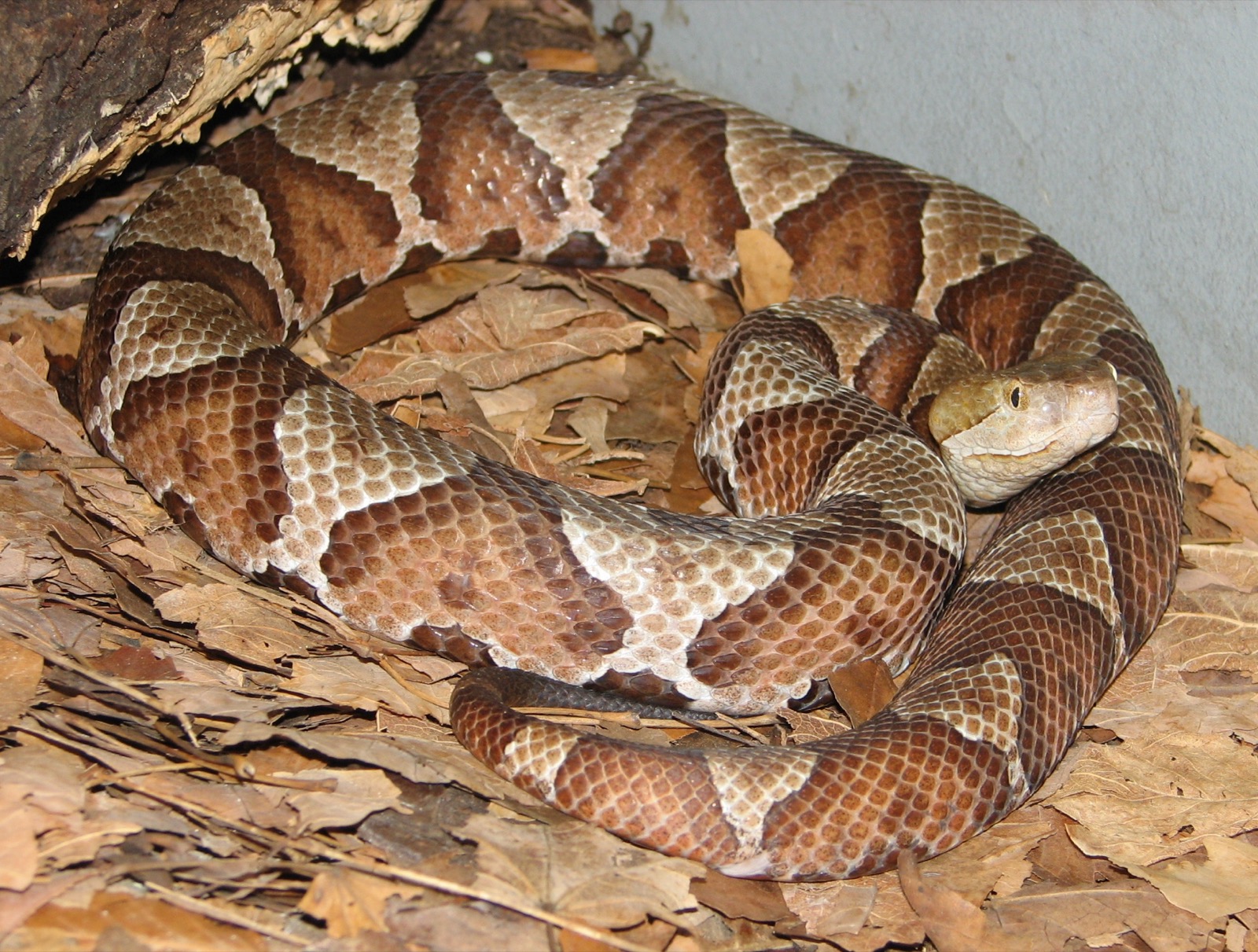
Snakes are masters of disguise, employing a sophisticated array of camouflage techniques to survive in diverse environments across the United States, Australia, and India. This natural artistry is not merely for show; it is a critical survival mechanism, allowing them to remain hidden from sharp-eyed predators like birds of prey and mammals, while also enabling them to ambush unsuspecting prey with deadly efficiency. Their ability to blend seamlessly into their surroundings is a testament to millions of years of evolution, making them one of nature's most elusive hunters and hiders.
The most immediate aspect of a snake's camouflage is its coloration, which is meticulously matched to its typical habitat. Forest-dwelling species, such as some green tree snakes, often sport vibrant emerald hues that disappear amidst foliage, while many ground-dwelling snakes in temperate regions exhibit shades of brown, gray, and tan that mimic soil, rocks, and dead leaves. Desert inhabitants, like many rattlesnakes, frequently display sandy, dusty tones that perfectly align with arid landscapes. This direct color matching ensures that a snake's base tone is indistinguishable from its backdrop, making it incredibly difficult for an observer to pick out its form.
Beyond simple color, intricate patterns play a crucial role in disrupting a snake's outline, a technique known as disruptive coloration. Blotches, bands, stripes, and speckles break up the snake's body shape, making it difficult for a predator or prey animal to recognize it as a single, continuous object. For instance, the complex patterns of a copperhead or a viper in leaf litter mimic the dappled light and shadow, and the irregular shapes of scattered debris. Similarly, the bands of a krait or coral snake can make its body appear fragmented against a varied background, especially when it remains still. These patterns are not random; they are specifically evolved to create visual confusion within their specific ecological niches.
Effective camouflage extends beyond skin deep, incorporating crucial behavioral elements. A camouflaged snake understands the importance of stillness. When threatened or waiting for prey, many snakes will freeze, relying entirely on their natural patterns and colors to render them invisible. They also expertly utilize environmental features, coiling amongst roots, hiding beneath rocks, or basking partially obscured by vegetation. This strategic positioning maximizes their concealment, ensuring that even a perfectly patterned snake isn't easily detected if it's moving carelessly or exposed in an open area.
The effectiveness of a snake's camouflage is intrinsically linked to its specific habitat. A highly camouflaged snake from a rocky desert, with its intricate patterns of browns and grays, would stand out starkly in a lush green rainforest. This specialization highlights the powerful forces of natural selection at work; snakes that blend better are more likely to survive, reproduce, and pass on their advantageous traits. Over countless generations, this process has refined the camouflage of each species to an astonishing degree, making them perfectly suited to their particular corner of the world.
It is a common misconception that snakes can actively change their color to match their surroundings, like a chameleon. While some lizards possess this ability, snakes generally do not. Their coloration and patterns are fixed, though they may appear slightly different after shedding their skin or depending on lighting conditions. The true magic of snake camouflage lies in their static patterns being so perfectly attuned to their typical environment that they appear to vanish, not in dynamic color shifts. This static, yet highly effective, form of concealment is what makes them so successful in their natural roles.
The remarkable camouflage of snakes means that encounters often happen unexpectedly, as these reptiles are incredibly difficult to spot until you are very close. Whether you're hiking in the bush in Australia, working in your garden in the United States, or walking through fields in India, it's crucial to be aware that a snake might be present but unseen. If you do encounter a snake, always give it a wide berth. Its primary goal is to remain hidden, and it will only react defensively if it feels cornered or threatened. To identify a snake safely without approaching, take a photograph from a safe distance and use the SerpentID app to compare its markings against likely local species. If you suspect it is venomous, contact local wildlife services or emergency responders immediately. Never attempt to handle, provoke, or kill a snake.