


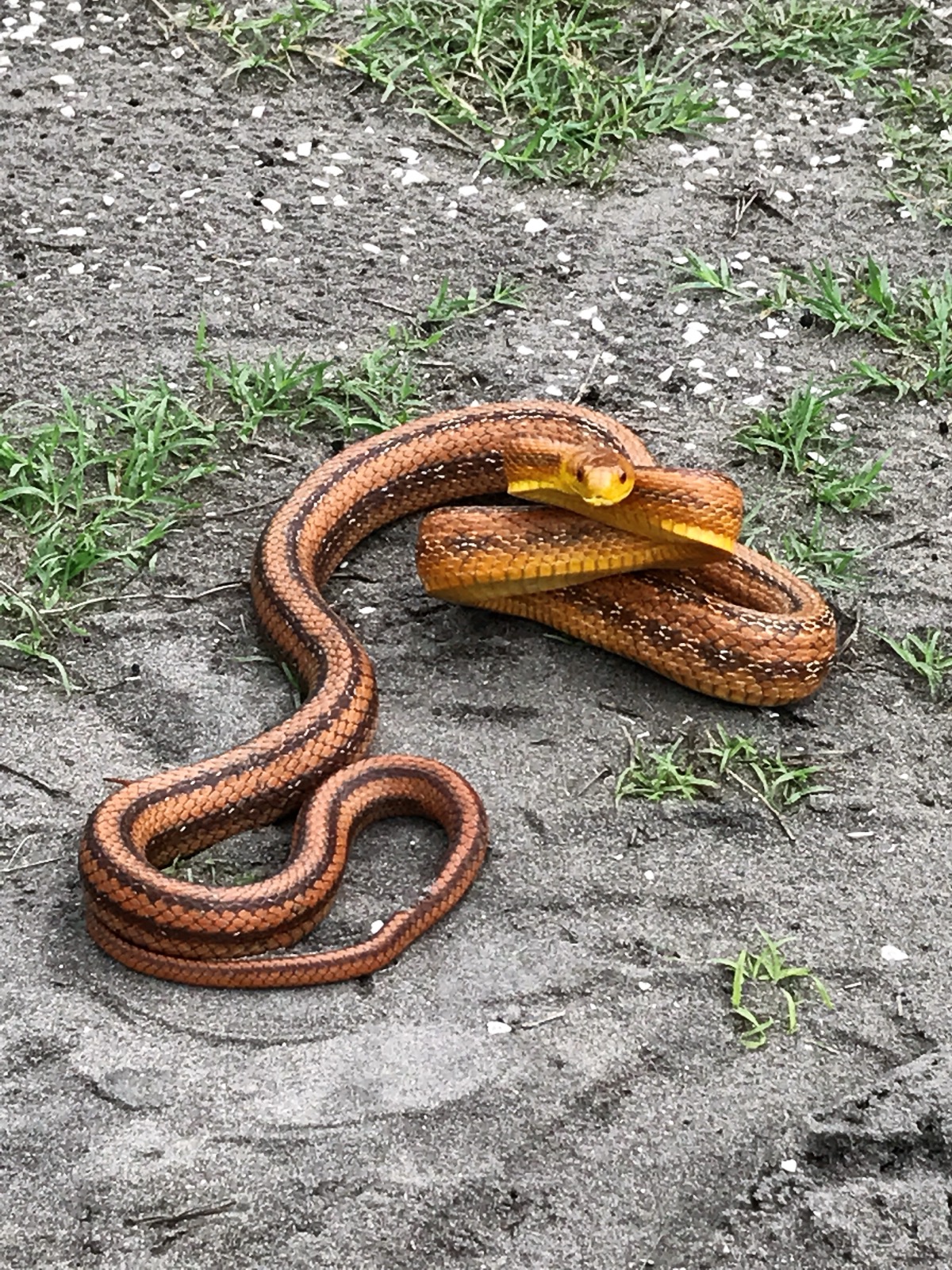
The act of breathing, seemingly simple, presents a unique challenge for snakes due to their elongated, legless form and the absence of a diaphragm, the muscular sheet that aids respiration in mammals. Their entire body plan is designed for flexibility and efficient movement, which necessitates a specialized approach to internal organ arrangement, including their respiratory system. Furthermore, the incredible feat of consuming prey much larger than their head requires a breathing mechanism that can remain functional even when their throat and body are significantly distended.
Most snakes typically possess only one functional lung, which is a remarkable adaptation to their narrow, cylindrical bodies. While some species may have a rudimentary or vestigial left lung, the right lung is usually the primary, highly elongated organ responsible for gas exchange. This single, stretched-out lung can extend for a considerable length of the snake’s body cavity, ensuring ample surface area for oxygen absorption and carbon dioxide release, even with the constraint of their body shape.
Adding to this specialized design is what is often referred to as a 'tracheal lung.' This isn't a separate lung but rather the anterior portion of the trachea (windpipe) that has become highly vascularized, meaning it's rich in blood vessels. This section can facilitate some gas exchange, acting as a crucial backup respiratory surface. Its strategic location allows the snake to continue drawing in air even when the main lung is compressed, particularly during the slow and arduous process of swallowing a large meal, ensuring a continuous supply of oxygen.
Without a diaphragm, snakes rely on their numerous ribs and the powerful intercostal muscles located between them to breathe. Unlike mammals that use a diaphragm to create negative pressure, snakes expand and contract their rib cage through muscular action, effectively pumping air in and out of their lungs. This rhythmic movement of the ribs, though less visible than a mammal's chest heaving, is a highly efficient way to ventilate their elongated lung, allowing for the necessary expansion and compression to facilitate airflow.
The actual process of gas exchange within the snake's lung is fundamentally similar to that in other vertebrates. Air, rich in oxygen, is drawn into the lung, where it comes into contact with the extensive network of capillaries lining the lung tissue. Oxygen diffuses across the thin membranes into the bloodstream, where it is transported to cells throughout the body. Simultaneously, carbon dioxide, a waste product of metabolism, diffuses from the blood into the lung to be exhaled. This efficient exchange is vital for maintaining the snake's metabolic functions.
Snakes have developed several other clever adaptations to ensure they can breathe in various challenging situations. For instance, when swallowing large prey, the glottis – the opening to the trachea – can be extended forward, even protruding from the side of the mouth, allowing the snake to continue breathing around the massive bolus of food. Some aquatic snake species can also absorb a small amount of oxygen directly from the water through their skin or the highly vascularized lining of their mouth, supplementing their primary lung respiration during prolonged dives.
Understanding how snakes breathe reveals the remarkable evolutionary ingenuity that has allowed these legless reptiles to thrive in diverse environments worldwide. Their unique respiratory system is a testament to nature's ability to adapt anatomical structures to specific lifestyles. If you encounter a snake and are curious about its species, remember to observe it from a safe distance. Photographing its markings and consulting the SerpentID app can help you identify it accurately without disturbing its natural behaviors. If you suspect a snake is venomous or injured, always contact local wildlife services for assistance.