


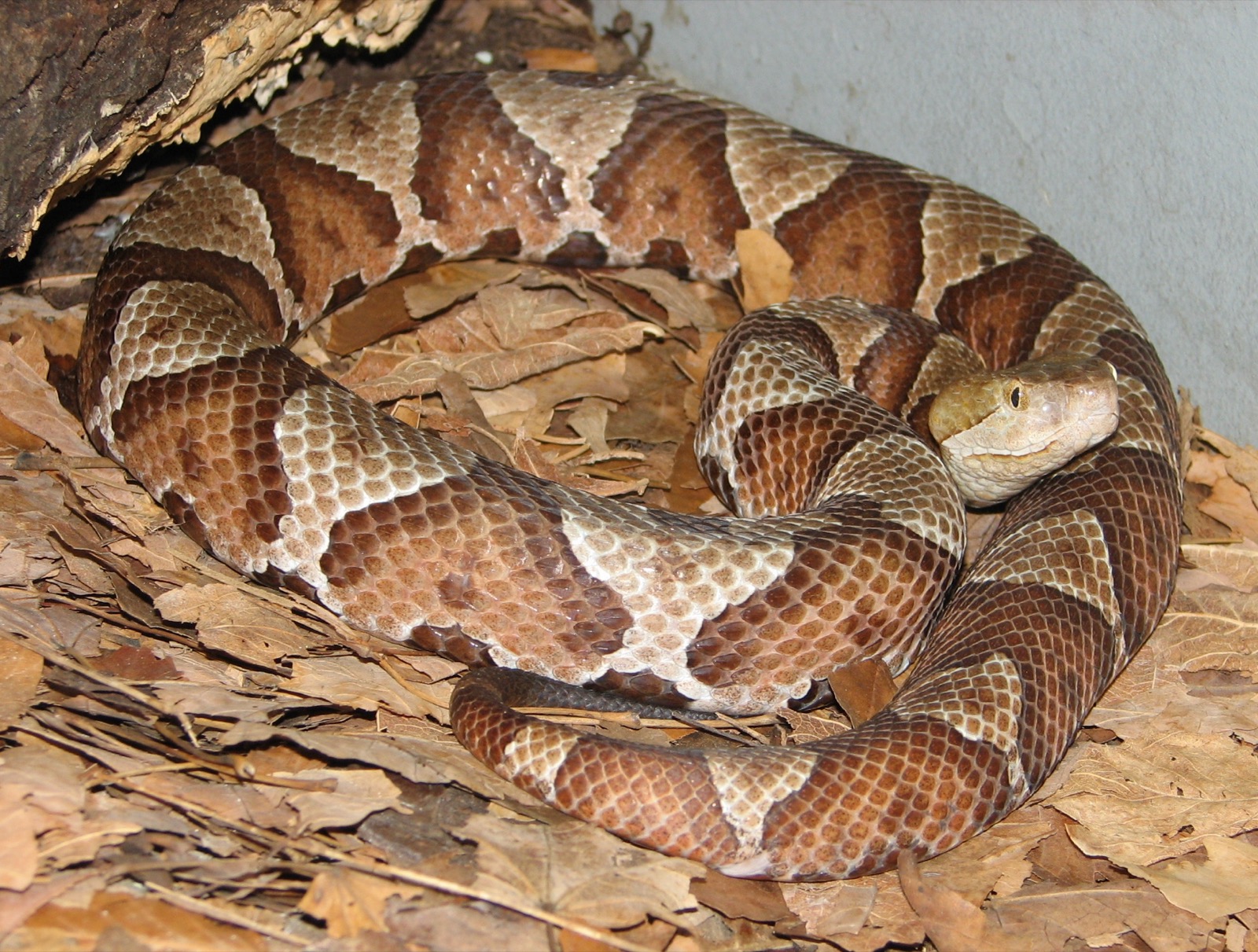
The idea of encountering a snake, particularly a venomous one, can trigger significant anxiety for many people. Sensationalized stories and cultural myths often amplify the perceived danger, leading to an exaggerated fear of snake bites. However, when examining the actual data, the reality is far less alarming. While snakes are a ubiquitous part of ecosystems in many parts of the world, including the United States, Australia, and India, the incidence of snake bites, especially fatal ones, is remarkably low in comparison to the number of human-snake interactions.
Globally, snake bites do present a public health challenge in some regions, particularly in rural areas with limited access to medical care. However, in developed nations and areas with robust healthcare infrastructure, the risk to an individual is substantially reduced. The vast majority of snake bites are not unprovoked attacks. Instead, studies consistently show that most bites occur when a person actively tries to interact with a snake—whether attempting to catch, handle, kill, or even just harass it. These actions put both the snake and the human in a stressful, dangerous situation.
Accidental bites can also happen, though they are less frequent. These usually occur when someone inadvertently steps on a snake hidden in tall grass, reaches into a concealed spot like a woodpile or dense shrubbery, or places a hand or foot where a snake is resting. Snakes are not inherently aggressive; their primary instinct is self-preservation. A bite is typically a defensive reaction, a last resort when a snake feels threatened, cornered, or unable to escape what it perceives as a predator.
It is also crucial to remember that not all snakes are venomous, and even venomous snakes do not always inject venom with every bite, a phenomenon known as a 'dry bite.' In the United States, for example, only a small percentage of snake species are venomous, and non-venomous bites are far more common. While venomous snake bites require immediate medical attention, the fatality rate is extremely low thanks to modern antivenom and emergency care. Similarly, in regions like Australia and India, where highly venomous species are more prevalent, public awareness and rapid medical response have significantly improved outcomes.
Beyond the immediate medical concern, non-venomous snake bites, while startling and potentially painful, are generally harmless. They may cause minor bleeding, swelling, or bruising, but pose no serious health threat beyond the risk of infection, which can be managed with basic wound care. The psychological impact of any snake bite, however, can be significant, reinforcing the importance of calm and informed responses to encounters.
Preventing snake bites boils down to a few simple, common-sense practices. The most important rule is to leave snakes alone. Observe them from a safe distance and never attempt to touch, capture, or harm them. When outdoors, especially in areas known to have snakes, be aware of your surroundings: watch where you step, look before you sit, and use caution when reaching into dense vegetation, under rocks, or into dark crevices. Wearing appropriate footwear, like sturdy boots, can also offer a layer of protection.
Should you encounter a snake, the safest approach is always to give it space. If you are concerned about a snake's presence in your yard or home, or if you believe you or someone else has been bitten, it is vital to remain calm. Photograph the snake from a safe distance if possible, as this can greatly aid in identification. Then, use the SerpentID app to compare markings against likely local species. If a bite occurs, seek professional medical help immediately; never attempt to treat a serious bite yourself. For non-bite situations, contact local wildlife services or a professional snake removal specialist for assistance rather than attempting to handle the snake yourself.