


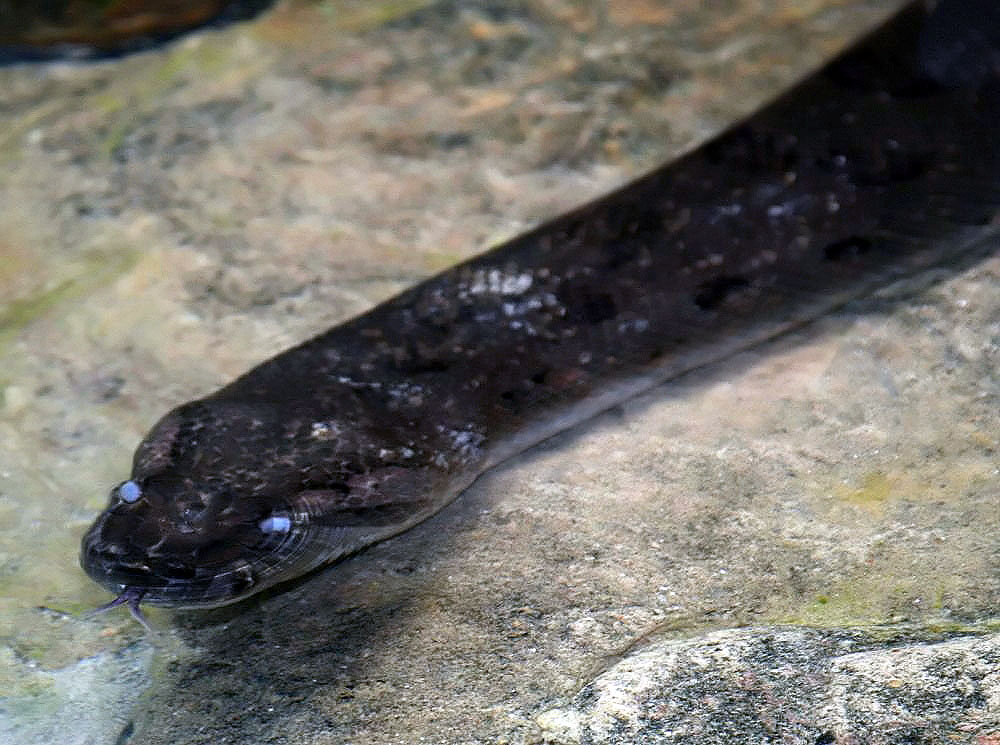
One of the most common questions people have about snakes is how large they can become. Unlike many mammals and birds that reach a fixed adult size, snakes exhibit what is known as indeterminate growth, meaning they continue to grow throughout their entire lifespan. However, this doesn't mean they grow at a constant, rapid pace forever. The eventual size a snake achieves is a complex interplay of its genetic blueprint, the availability of food, and the conditions of its environment.
The concept of indeterminate growth can be misleading if not properly understood. While snakes do not stop growing, the rate at which they increase in length and mass slows significantly once they reach sexual maturity. A juvenile snake will grow much faster in its early years, consuming prey and adding inches rapidly, compared to an older, mature snake that might only add a fraction of an inch or a few grams over an entire year. This contrasts with determinate growth, where an animal grows to a certain size and then stops.
Genetics play a foundational role in determining a snake's potential maximum size. A garter snake, for instance, is genetically programmed to be a relatively small serpent, rarely exceeding a meter in length, regardless of how much it eats. In contrast, an anaconda or a reticulated python has the genetic potential to reach truly colossal dimensions. Beyond species-specific limits, the availability of prey is a critical factor; snakes in habitats with abundant food resources will typically grow faster and often achieve larger ultimate sizes than those in leaner environments, as their bodies have the energy to support continuous development.
Environmental conditions also heavily influence a snake's growth trajectory. Optimal temperatures allow snakes, being cold-blooded, to maintain higher metabolic rates, digest food more efficiently, and be more active in hunting. This sustained activity and digestion directly contribute to faster growth. In colder climates or during prolonged periods of inactivity (like brumation), a snake's growth rate will naturally slow or even halt. Access to suitable shelter and water also indirectly supports growth by reducing stress and enhancing overall health.
Most of a snake's significant growth occurs during its juvenile and sub-adult stages. During these periods, energy is heavily invested in increasing body mass and length, which is crucial for survival and reaching reproductive age. Once a snake matures, its energy allocation shifts more towards reproduction, and growth becomes a secondary, slower process. Consequently, older snakes tend to be larger, but age is not the sole determinant of size; a well-fed, healthy younger snake in prime conditions might outgrow an older, less fortunate individual of the same species.
Despite the impressive sizes some species can attain, it's important to remember that most snakes encountered in yards, gardens, or hiking trails are not giant serpents in the making. The vast majority of snake species globally are relatively small to medium-sized, rarely exceeding a few feet in length. Misconceptions often arise when people encounter a small snake and assume it's a 'baby' of a much larger, more dangerous species, when in reality, it's likely an adult of a small, harmless species.
When you encounter a snake and wonder about its size or species, the safest and most responsible action is to observe it from a distance. Do not attempt to approach, handle, or interfere with the snake. If you need to identify the snake to understand its potential size or risk, take a clear photograph from a safe distance. The SerpentID app can then help you compare its markings and features against local species, providing valuable information so you can appreciate these vital creatures safely.