


Snakes do change color, but it's often a more subtle and gradual process than the dramatic shifts seen in animals like chameleons. These changes are primarily driven by physiological needs and environmental interactions, serving crucial roles in a snake's survival, from blending into their surroundings to regulating body temperature. Understanding these mechanisms helps us appreciate the intricate biology behind their diverse and often beautiful appearances.
One of the most common and noticeable ways a snake "changes color" is during the shedding process, known as ecdysis. Before shedding, a snake's skin will often appear dull, faded, and cloudy, particularly over the eyes (which are covered by a transparent scale called a brille or spectacle). This is because a new layer of skin is forming underneath, and fluid builds up between the old and new layers. Once the old skin is shed, the snake emerges with vibrant, freshly colored scales, appearing much brighter and more distinct than before.
Beyond shedding, a snake's coloration can also evolve as it grows from a juvenile to an adult. Young snakes might have different patterns or hues than their mature counterparts, which can gradually shift or intensify over their lifespan. Environmental factors, such as diet and prolonged exposure to certain light conditions, can also play a subtle role in pigment development and expression over extended periods, leading to slight variations in color intensity or tone within a species.
Snakes can also exhibit temporary color changes influenced by physiological states. For instance, their skin can darken or lighten to aid in thermoregulation. A snake might darken its scales to absorb more heat when basking in the sun, or lighten them to reflect heat and stay cooler when temperatures rise. Similarly, stress, fear, or excitement can cause temporary shifts in coloration, often due to changes in blood flow or the contraction of specialized pigment cells, leading to a blanching or darkening effect.
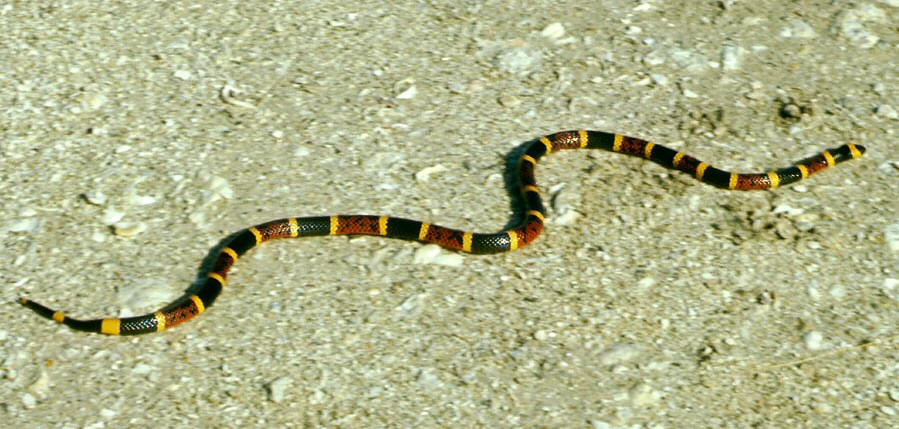
The underlying purpose of snake coloration, whether constant or changing, is almost always linked to survival. Camouflage is paramount, allowing snakes to blend seamlessly into their habitat, whether it's the leaf litter of a forest floor, the sandy expanse of a desert, or the bark of a tree. Some snakes, however, display bright, contrasting colors as a warning (aposematism) to potential predators, signaling their venomous nature. It's important to remember that not all brightly colored snakes are venomous, and some harmless species mimic the patterns of dangerous ones, a strategy known as Batesian mimicry.
While snakes do not possess the specialized chromatophores that allow chameleons to rapidly alter their appearance, their ability to gradually adjust or renew their coloration through shedding, growth, and physiological responses is highly effective for their ecological niches. These shifts are integral to their life cycle, helping them evade predators, ambush prey, and adapt to changing conditions in their environment. Understanding these processes helps us appreciate the intricate biology behind their diverse and often beautiful appearances.
Observing a snake's color and pattern is a key part of identification, but remember that individual variations, age, and even recent shedding can affect its appearance. If you encounter a snake and are unsure of its species, never approach or attempt to handle it. Instead, take a clear photograph from a safe distance and use the SerpentID app to compare its markings against likely local species. If the snake is identified as venomous, or if you cannot identify it, contact your local wildlife services for assistance.