


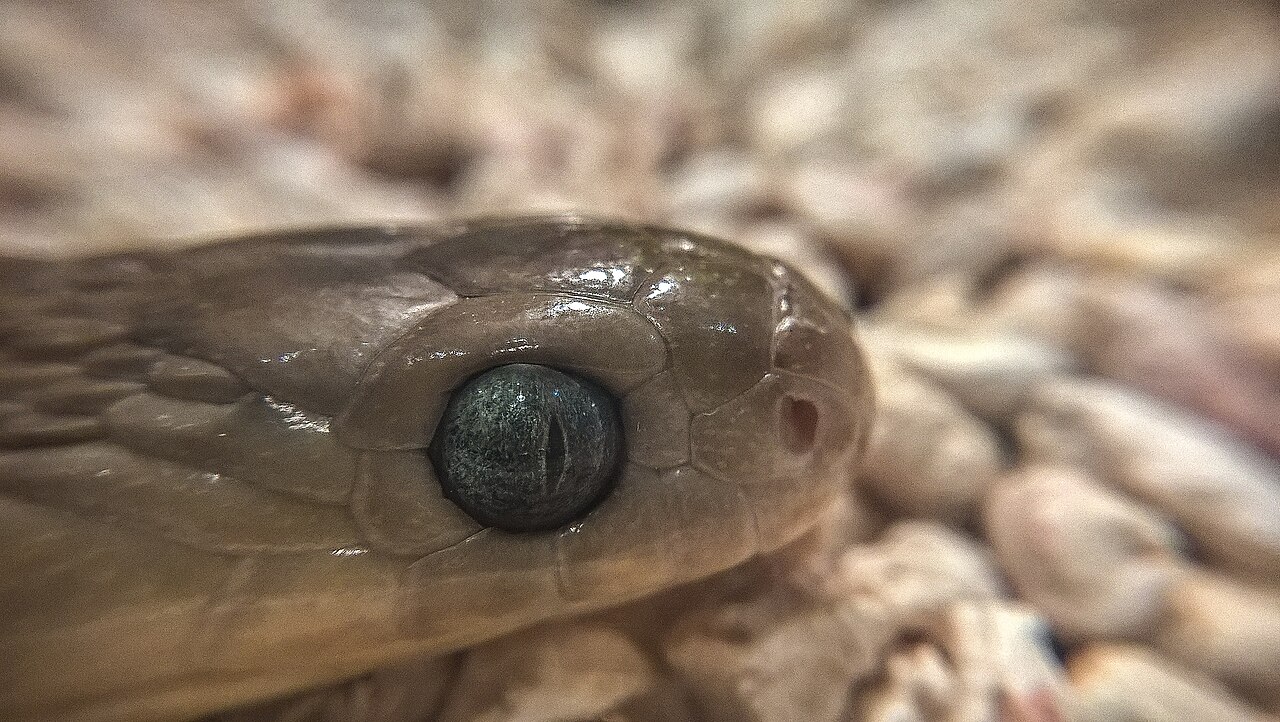
One of the most persistent myths in snake identification is the idea that all venomous snakes have vertical, slit-like pupils, while non-venomous snakes always have round pupils. This belief is widespread, especially in regions where pit vipers are common, as many of these venomous snakes do indeed exhibit vertical pupils. However, relying on this single characteristic for identification can lead to dangerous misjudgments, as the reality of snake eye morphology is far more complex and varied.
The vertical pupil, often associated with cats and other nocturnal predators, is an adaptation that allows for a wider range of pupil dilation and constriction. This gives the snake exceptional control over the amount of light entering the eye, which is particularly advantageous for ambush predators that hunt in varying light conditions, from bright daylight to dim twilight or darkness. Many venomous pit vipers, such as rattlesnakes, copperheads, and cottonmouths in the United States, and some vipers in other parts of the world, utilize this pupil shape, contributing to the popular misconception.
However, the assertion that all venomous snakes have slit pupils is simply untrue. Many of the world's most dangerous venomous snakes, particularly those in the elapid family, possess distinctly round pupils. This group includes highly venomous species such as cobras, kraits, and mambas in Africa and Asia, as well as the formidable taipans and brown snakes of Australia. In the United States, the brightly colored and highly venomous coral snakes also have round pupils. These examples unequivocally demonstrate that a round pupil does not equate to a non-venomous snake, and conversely, a vertical pupil does not always signify a venomous one.
Furthermore, it is not just venomous snakes that can have vertical pupils. While less common among harmless species in the US, some non-venomous snakes globally, such as certain boa constrictors or some species of cat-eyed snakes, also exhibit vertical pupils. This overlap further complicates the use of pupil shape as a sole diagnostic feature, as it means you could encounter a non-venomous snake with vertical pupils or a highly venomous one with round pupils. The diversity in snake eye structure is vast, serving various ecological roles and hunting strategies, not just a simple venomous/non-venomous dichotomy.
Adding another layer of complexity, a snake's pupil can change shape depending on the ambient light conditions. A vertical pupil may dilate to appear almost perfectly round in low light, making it indistinguishable from a naturally round pupil. Conversely, a round pupil can constrict significantly in very bright light, potentially appearing more elliptical. This dynamic nature makes pupil shape an even less reliable identifier in the field, as what you observe might simply be a temporary adaptation to the lighting rather than a fixed anatomical feature.
Given these complexities, relying on a single visual cue like pupil shape for snake identification is both unreliable and potentially dangerous. Accurate identification requires considering a combination of factors, including body pattern, overall coloration, head shape, scale characteristics, and observed behavior. Always maintain a safe distance and avoid making quick judgments based on a single, often misinterpreted, feature.
If you encounter a snake and are unsure of its identity, the safest approach is to take a clear photograph from a safe distance. Do not attempt to get closer for a better look at its eyes. SerpentID can then compare the markings and other visible features against likely local species to help you identify it accurately and safely. If the snake is venomous or you are unsure, contact local wildlife services for assistance.