


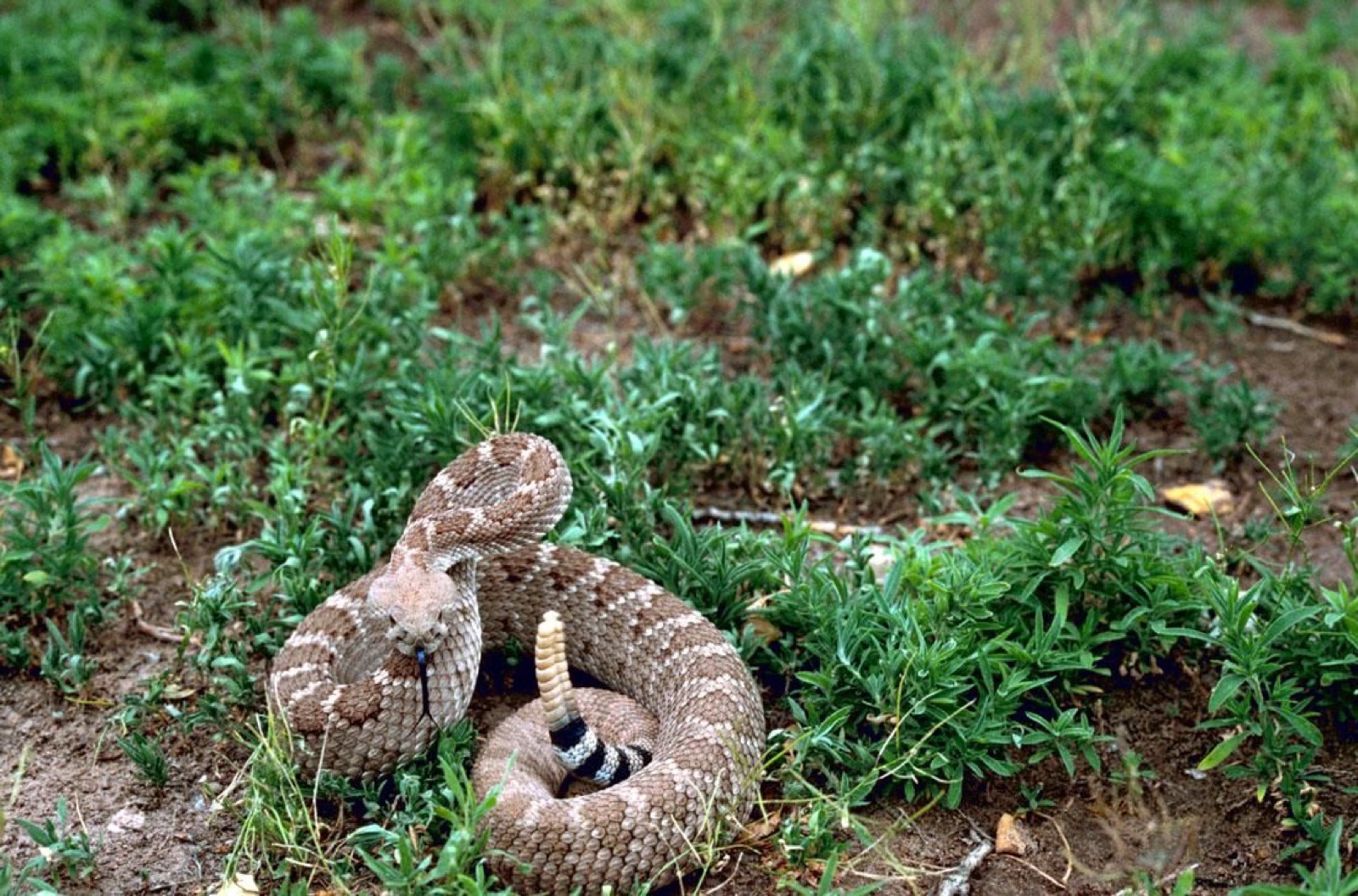
Encountering a snake can be startling, and the thought of a bite from a venomous species often conjures images of immediate, severe envenomation. This common perception, however, doesn't always reflect the full reality of snake bites. While venomous snakes are certainly capable of injecting potent toxins, they do not always do so when they bite. These specific incidents, where a venomous snake bites but delivers little to no venom, are known as "dry bites" – a term that holds significant implications for how we understand and react to snake encounters.
A dry bite occurs when a venomous snake strikes and its fangs penetrate the skin, but no venom, or only a negligible amount, is injected into the victim. This phenomenon is a well-documented aspect of snake behavior and is not as rare as many might assume. Snakes possess voluntary control over their venom glands and can decide whether or not to release venom during a strike. This control mechanism is a vital survival tool, allowing them to conserve their precious venom for hunting prey, rather than expending it all on a defensive strike against a perceived threat they do not intend to eat.
There are several reasons why a venomous snake might deliver a dry bite. Often, a bite to a human is a defensive action, a warning shot rather than a predatory strike. The snake may feel threatened, cornered, or surprised, and a dry bite allows it to deter the perceived danger without depleting its valuable venom reserves. Producing venom is metabolically costly, requiring significant energy and resources. Therefore, a snake's instinct is to use its venom efficiently, primarily for subduing prey, and to be more sparing when merely defending itself. Factors like the snake's recent feeding, its stress level, and the nature of the perceived threat can all influence its decision to envenomate or not.
The frequency of dry bites varies among different venomous species and situations, but studies suggest they can account for a significant percentage of bites. For instance, some research indicates that dry bites might occur in 20-50% of known venomous snake bites, though these figures can fluctuate widely based on the snake species, the circumstances of the bite, and the geographic region. Despite this, it is profoundly important to understand that a dry bite can never be assumed at the time of the incident. The absence of immediate symptoms does not guarantee a lack of envenomation, as some venom effects can be delayed or subtle.
Given the impossibility of knowing whether venom has been injected without professional medical assessment, the cardinal rule for any suspected venomous snake bite is to treat it as if envenomation has occurred. This means seeking immediate professional medical help, regardless of whether you feel pain, see fang marks, or experience initial symptoms. Waiting to see if symptoms develop, attempting to self-diagnose a dry bite, or delaying medical care can have severe, even life-threatening, consequences if venom was indeed injected. Medical professionals have the tools and expertise to monitor for envenomation and administer appropriate antivenom if necessary.
Dispelling the myth that all venomous bites are inherently venomous is crucial for public safety. Relying on the hope of a dry bite can lead to complacency and dangerous delays in treatment. It's also important to avoid common folklore or unproven methods for determining venom presence, such as observing the bite marks or waiting for specific symptoms. The only safe and responsible course of action is to assume the worst-case scenario and allow trained medical personnel to make the definitive diagnosis and manage care. Swift medical intervention is always the best defense against the potential dangers of a venomous snake bite.
Understanding the concept of dry bites is part of being informed about snake safety, but it should never replace caution. If you encounter a snake, the safest approach is always to observe it from a respectful distance and avoid any interaction. Should a bite occur, prioritizing immediate medical attention is paramount. For identifying snakes in your environment, which can help inform local medical teams about potential species, the SerpentID app offers a safe and accurate solution. Simply take a clear photo from a safe distance, and let our app help you compare markings against likely local species. If you suspect a venomous snake, always contact local wildlife services or emergency responders for professional assistance.