


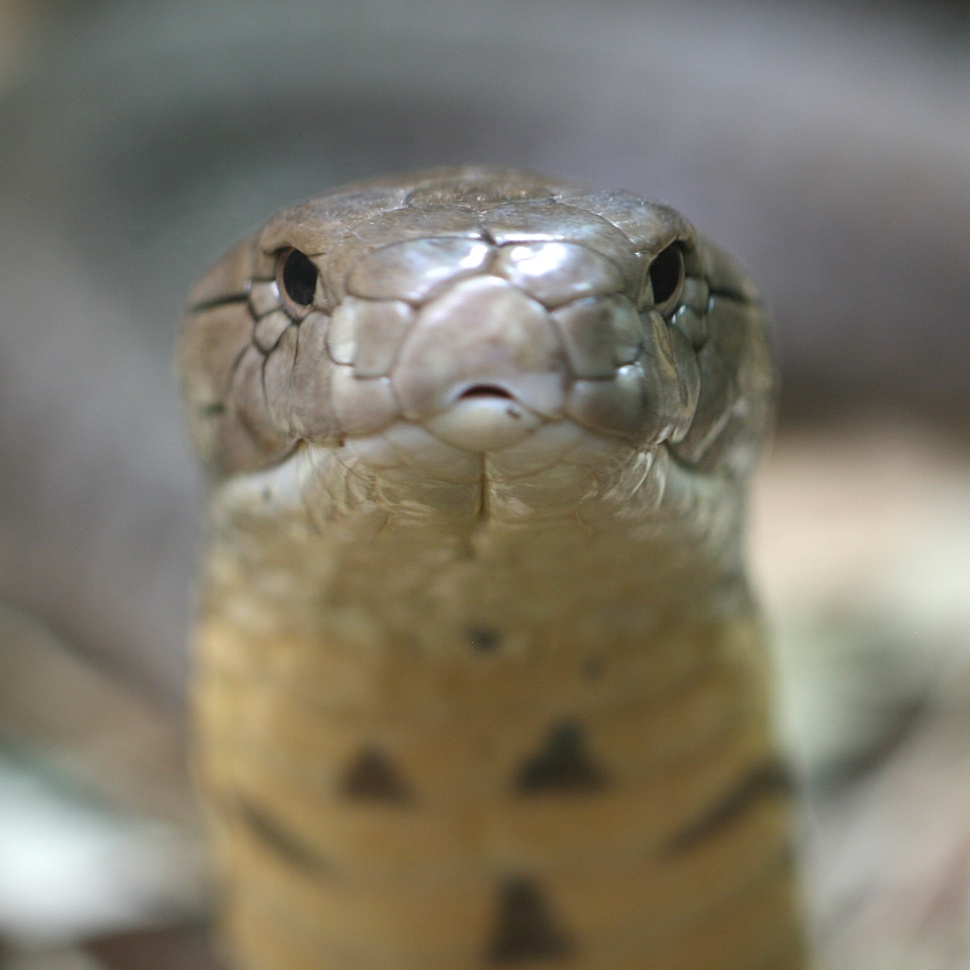
Few snake beliefs are as widespread or as emotionally charged as the idea that snakes take revenge. In India, stories of the nag and nagin, a snake pair in which the surviving partner tracks down whoever killed its mate, run through village tales, temple lore, and decades of film and television. A related belief holds that a dying snake keeps an image of its killer in its eyes so that its partner can find them. Versions of the story turn up in the United States and Australia too, usually as the warning that if you kill one snake, its mate will come looking for you. The belief is understandable because it gives a frightening event a clear cause, but nothing in herpetology supports it.
Revenge requires several mental abilities working together: recognizing a specific individual, linking that individual to a past harm, holding a motive over time, and then planning and carrying out a search. Snakes have real but limited cognition. Research shows they can learn routes, get used to repeated harmless disturbances, remember good shelter and basking spots, and some species can learn simple tasks in captivity. There is no good evidence that wild snakes recognize individual humans by face, connect a person to the death of another snake, or deliberately pursue anyone. A snake's behavior is organized around a small set of priorities: finding food, regulating temperature, avoiding predators, finding shelter, and in season, finding a mate.
The eye-image part of the myth also fails. A snake's eye works like other vertebrate eyes, focusing light onto the retina while the animal is alive. Nothing is stored or printed on the eye after death, and no snake can read a picture from another snake's eye. Snakes also do not form lasting pair bonds the way the nag and nagin stories describe. In most species, males and females come together briefly during the breeding season and then go their separate ways, so the idea of a grieving, loyal partner does not match how snakes actually live.
So why do people sometimes see another snake soon after killing one? The most common explanation is simple habitat. If one snake was living under your woodpile, in a rodent burrow, or along a drainage ditch, that spot offers food, cover, and the right temperatures, and other snakes of the same or different species are likely using it too. Season matters as well. During breeding periods, female snakes leave pheromone scent trails that males follow, so finding two snakes of the same species close together in spring or after the monsoon rains is normal biology, not a mission of vengeance. Rain, heat, and rodent activity can also push several snakes into the open at once, making a cluster of sightings feel personal when it is not.
There is another reason the myth persists: people often remember the dramatic coincidence and forget the many times nothing happened. A snake seen near a house a week after an earlier one feels like a sign, while the countless homes where a snake was killed and none returned never become stories. Snakes also tend to return to the same shelters, basking spots, and winter dens year after year, so a property that attracted one snake will keep attracting others until the conditions change. Removing hiding spots, controlling rodents, and sealing gaps around the home does far more to reduce sightings than anything related to past encounters.
The most important practical point is that trying to kill a snake is one of the riskiest things a person can do around one. A large share of bites happen when people attempt to kill, catch, or move a snake, and an injured snake can still deliver a defensive bite. Snakes are not seeking out humans, for revenge or any other reason; they bite to defend themselves when they feel cornered, stepped on, or grabbed. Giving a snake space and letting it leave is safer for you and for the animal, and in many places, including India and Australia, native snakes are legally protected. If anyone is bitten, seek professional medical help immediately.
When you do encounter a snake, focus on what it actually is rather than what folklore says it might do. Stay back, keep children and pets away, and take a photo from a safe distance without trying to get closer or move the snake into a better position. SerpentID can compare the markings, shape, and color in your photo against the snake species most likely to occur in your area, helping you understand whether you are looking at a harmless rat snake or a venomous species. If the snake is venomous or is inside your home, contact your local wildlife service or a licensed snake rescuer to remove it safely.