


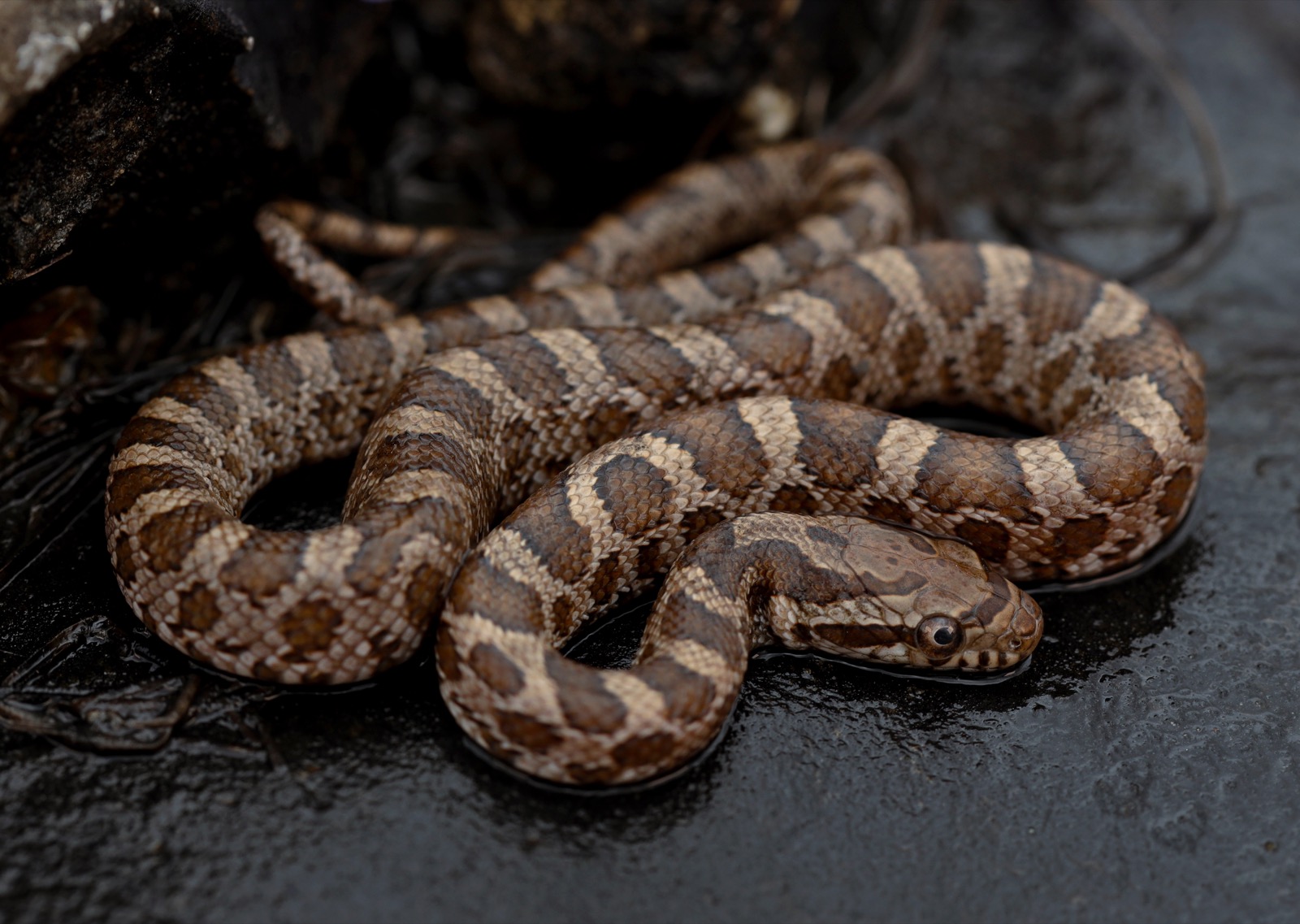
Snakes, unlike humans and many other mammals, do not sweat. The familiar sensation of perspiration is a cooling mechanism unique to animals that possess sweat glands, which reptiles, including snakes, simply do not have. This fundamental difference in physiology means that snakes must employ entirely different strategies to manage their body temperature, especially when faced with environmental heat. Understanding this distinction is key to grasping how these fascinating creatures thrive in diverse climates around the world.
As ectothermic animals, often colloquially referred to as "cold-blooded," snakes rely entirely on external sources of heat to regulate their internal temperature. This is in stark contrast to endothermic (warm-blooded) animals, which generate their own body heat internally through metabolic processes. For a snake, maintaining an optimal body temperature for functions like digestion, movement, and immune response is a constant, conscious effort involving their environment. They are keenly attuned to temperature gradients and microclimates within their habitat.
To warm up, snakes engage in heliothermy, or basking, positioning themselves in direct sunlight or on warm surfaces like rocks or asphalt. This allows them to absorb heat efficiently. Conversely, when they need to cool down and avoid overheating, they will seek out cooler microhabitats. This might involve retreating into burrows, crevices, dense vegetation, under rocks, or even entering water. Their ability to move between these varied thermal zones is their primary method of preventing their body temperature from becoming dangerously high.
While snakes don't sweat, their bodies do have some physiological responses to temperature. For instance, they can sometimes influence blood flow to the skin, though this effect is generally limited compared to a mammal's ability to constrict or dilate blood vessels. More significantly, their elongated body shape offers a large surface area relative to their volume, which can facilitate both rapid heating and cooling depending on exposure. Their relatively slow metabolism also means they produce less internal heat, further emphasizing their reliance on external thermal regulation.
The behavioral strategies snakes use for thermoregulation are critical for their survival. A snake's daily activity patterns, such as when it hunts or rests, are heavily influenced by temperature. During extreme heat, many snakes become nocturnal or crepuscular (active at dawn and dusk) to avoid the scorching midday sun. In cooler climates, they may be more active during the day. This constant adjustment to thermal conditions highlights their deep connection to their environment and the finely tuned instincts that guide their choices.
The misconception that snakes might sweat often stems from human-centric thinking about how animals deal with heat. Since sweating is such a universal and essential function for humans, it's easy to project that onto other creatures. However, the absence of sweat glands is perfectly suited to a snake's ectothermic lifestyle, allowing them to conserve water and energy, rather than expending it on internal heat generation and evaporative cooling. Their unique adaptations are a testament to the diverse ways life has evolved to thrive on Earth.
Observing snakes in their natural environment can offer fascinating insights into their thermoregulatory behaviors, whether they are basking in the sun or seeking refuge in the shade. If you encounter a snake, remember that its actions are likely driven by natural instincts, including managing its body temperature. Always maintain a safe distance and never attempt to approach or handle it. If you need to identify a snake you've seen, take a clear photo from afar and use the SerpentID app to compare its markings against local species. If you suspect it's venomous, contact local wildlife services for assistance.