


Ask enough people who grew up in snake country and someone will tell you a story: a mother snake opened her mouth when danger came near, her babies rushed inside, and once the threat passed they crawled back out unharmed. It is one of the oldest snake stories in North America and Europe, and versions turn up elsewhere too. It sounds tender and clever, but herpetologists have found no reliable evidence that any snake does this. A snake's mouth leads to a digestive system built to break down whole animals, and young snakes swallowed by an adult would be digested, not sheltered.
The anatomy alone makes the story very hard to believe. A snake swallows prey whole and moves it down the esophagus into a muscular stomach, where strong acids and enzymes begin breaking down tissue, and in many species even bone. There is no pouch, chamber, or holding area where small animals could wait safely. Snakes also lack the airflow a hidden baby would need. A neonate pushed into that environment would quickly suffocate and begin to be digested. Dissections of many thousands of snakes by researchers and museum workers have not turned up living young sheltering in a mother's throat or stomach.
So why do so many honest people swear they saw it? The most common explanation is that they watched a snake eating another snake. Kingsnakes, racers, coachwhips, and many other species readily eat smaller snakes, and from a distance a large snake swallowing a small one tail-first can look like a youngster crawling into its mother's mouth. Some snakes also eat their own kind on occasion. Female rattlesnakes, for example, have been documented eating stillborn young or undeveloped eggs after giving birth, which is a way of recovering nutrients rather than any kind of protection.
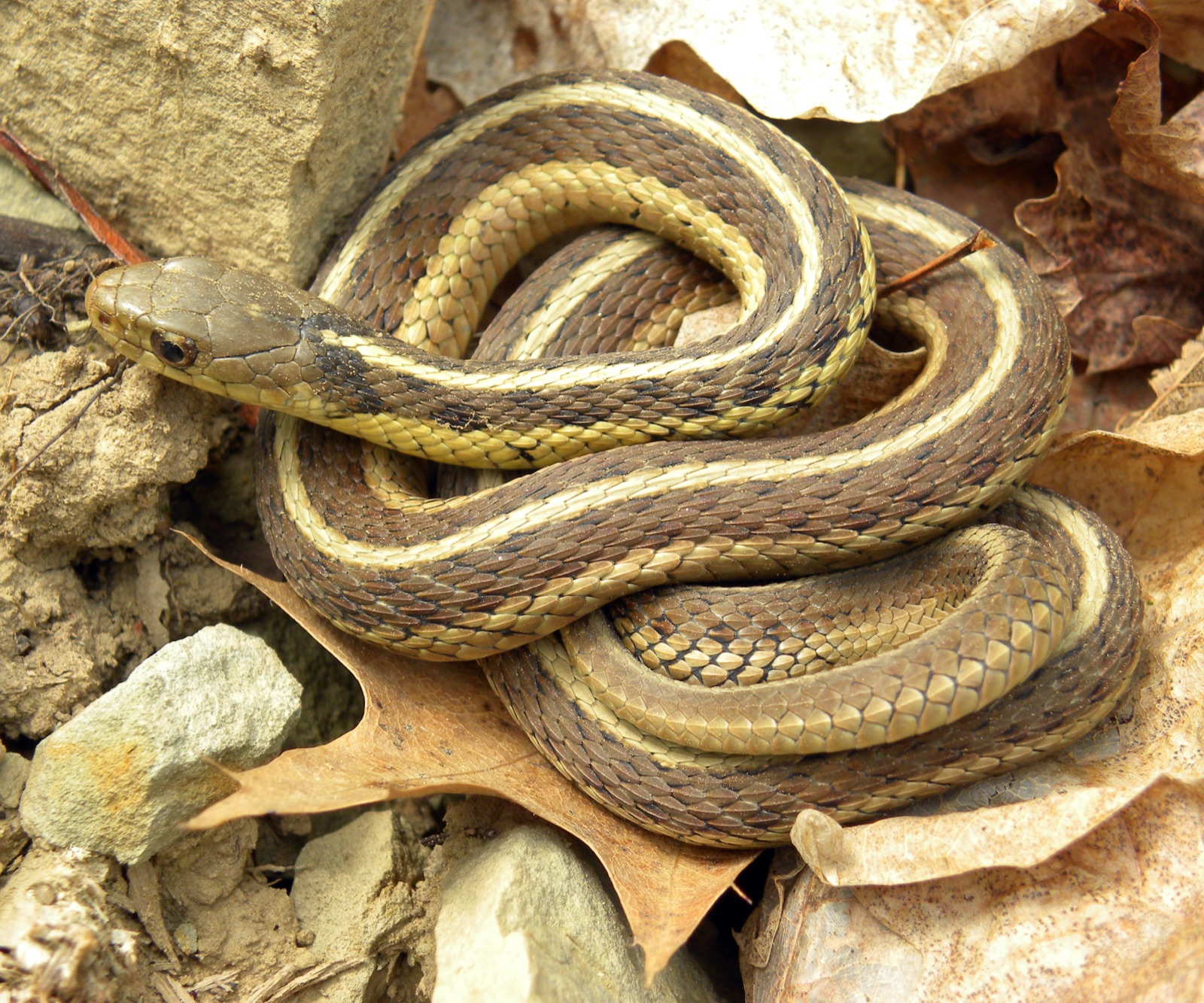
The second source of the myth is live birth. Garter snakes, water snakes, rattlesnakes, copperheads, cottonmouths, and many others give birth to fully formed young instead of laying eggs. In the past, when a large female was killed and cut open, people sometimes found well-developed babies inside her body and assumed they had been swallowed for safety. In reality those young had never been born. Some may even have wriggled out alive, which made the scene feel like proof of the story when it was really ordinary reproduction.
That does not mean mother snakes are always indifferent. Pythons coil around their eggs and some can raise their body temperature by shivering to keep the clutch warm. Newborn rattlesnakes and some other pit vipers often stay near their mother for days, commonly until their first shed, and a female nearby may be defensive simply because she is there. But this is staying close, not guarding in any human sense, and it never involves taking young into the mouth. For a homeowner, the practical lesson is simple: if you see newborn snakes in a live-bearing species, an adult could be close by, so give the whole area extra room.
If you come across a snake that seems to be swallowing another snake, or you spot a cluster of small snakes near a larger one, stay back and do not try to separate them or move any of the animals. Photograph the scene from a safe distance and let SerpentID compare the markings against likely local species, which can tell you whether you are looking at a harmless snake-eater like a kingsnake or a venomous species with young nearby. If the snake turns out to be venomous or is close to a doorway, path, or play area, contact your local wildlife services or a licensed snake removal service rather than handling it yourself, and if anyone is bitten, seek professional medical help immediately.