


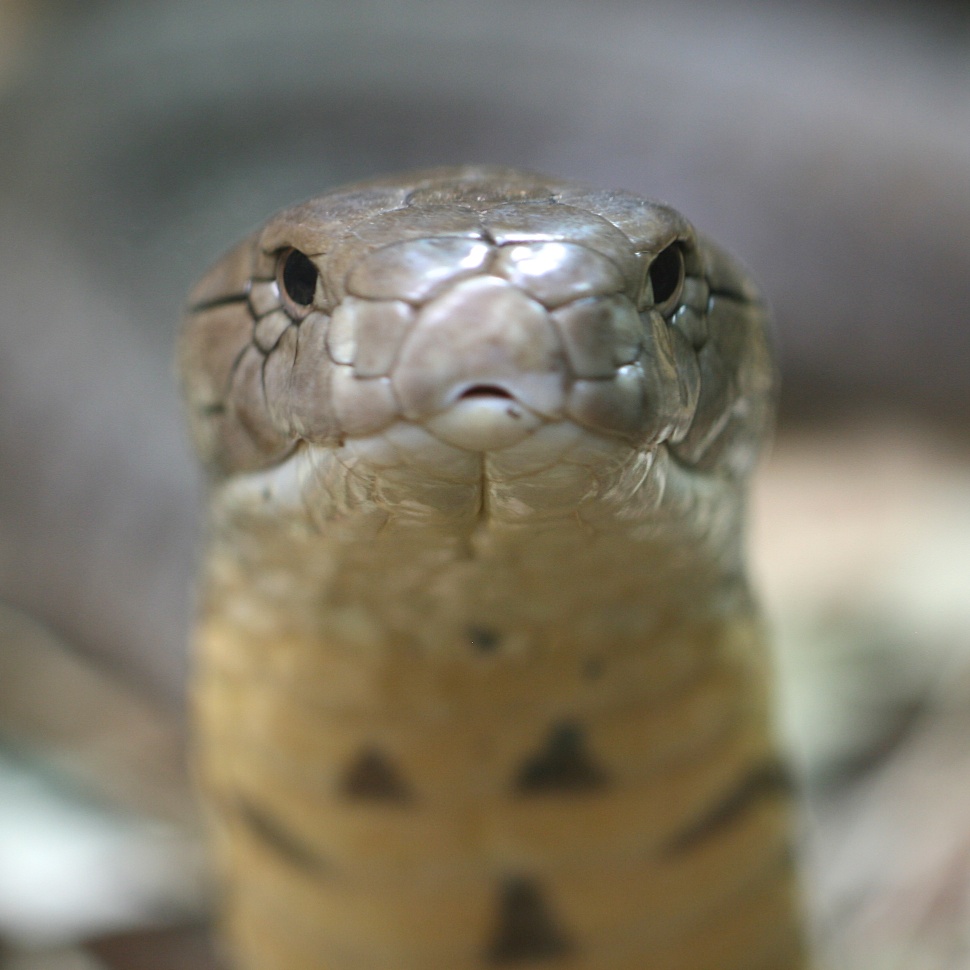
When humans or furry pets sleep, relaxed tissue in the throat and nasal passages can flutter as air passes through, creating the familiar sound of snoring. In snakes, however, the anatomical machinery required for traditional snoring simply does not exist. Snakes lack a soft palate, fleshy throat tissues, and vocal cords. Their airway is a simple, efficient tube leading directly from the glottis—a rigid, muscular opening in the floor of the mouth—down into the trachea and lungs. Because there are no loose structures to vibrate during sleep, a healthy snake sleeps in complete silence.
Despite this lack of classic snoring mechanics, people frequently report hearing strange respiratory sounds coming from resting snakes. In almost every case, these sounds stem from one of two very different causes: defensive air expulsion or an underlying respiratory illness. A snake that feels disturbed while resting can forcefully push air through its glottis, producing a low, rhythmic hiss that mimics heavy breathing or snoring. This is an intentional warning signal meant to ward off potential threats rather than an involuntary sound made while unconscious.
When sound occurs continuously while the snake is genuinely at rest, the most common explanation is a respiratory infection. Bacteria or fungi in the lung and airway cause mucus to build up inside the trachea and glottis. As the snake breathes, air forces its way through this viscous fluid, generating clicking, popping, whistling, or wet wheezing noises. To human ears, a bubbling breath from a sleeping reptile can sound remarkably like a raspy snore, but it is actually a clear sign of medical distress.
Anatomy plays a major role in how respiratory sounds travel through a snake. Most snakes possess only one fully functional right lung, while the left lung is either vestigial or entirely absent. The lower portion of this lung often acts as a thin-walled air sac that helps regulate airflow and pressure. When a snake sheds its skin, dry skin flakes or trapped shed around the external nostrils (nares) can also restrict airflow, producing a faint whistle every time the animal takes a breath. This mechanical blockage disappears once the shed cycle completes, whereas infection-related noises persist.
Understanding normal reptile respiration helps distinguish harmless shedding noise from serious illness or defensive displays. Healthy snakes breathe slowly and quietly, with subtle movements of their body walls. If you hear loud whistling, fluid popping, or heavy rasping, or if you observe discharge around the mouth and nostrils, the animal requires evaluation by a qualified veterinarian. Unchecked respiratory infections in reptiles can quickly turn fatal if the airway becomes completely obstructed by fluid.
Whether you are observing a pet in an enclosure or encountering a wild snake resting near your home, clear identification is the best starting point for safe handling. Photograph any unfamiliar snake from a safe distance, keeping your hands and feet well back, and let SerpentID compare its physical markings against species native to your local area. If you suspect the snake is a dangerous venomous species, avoid approaching it and contact local wildlife management professionals to handle the situation safely.