


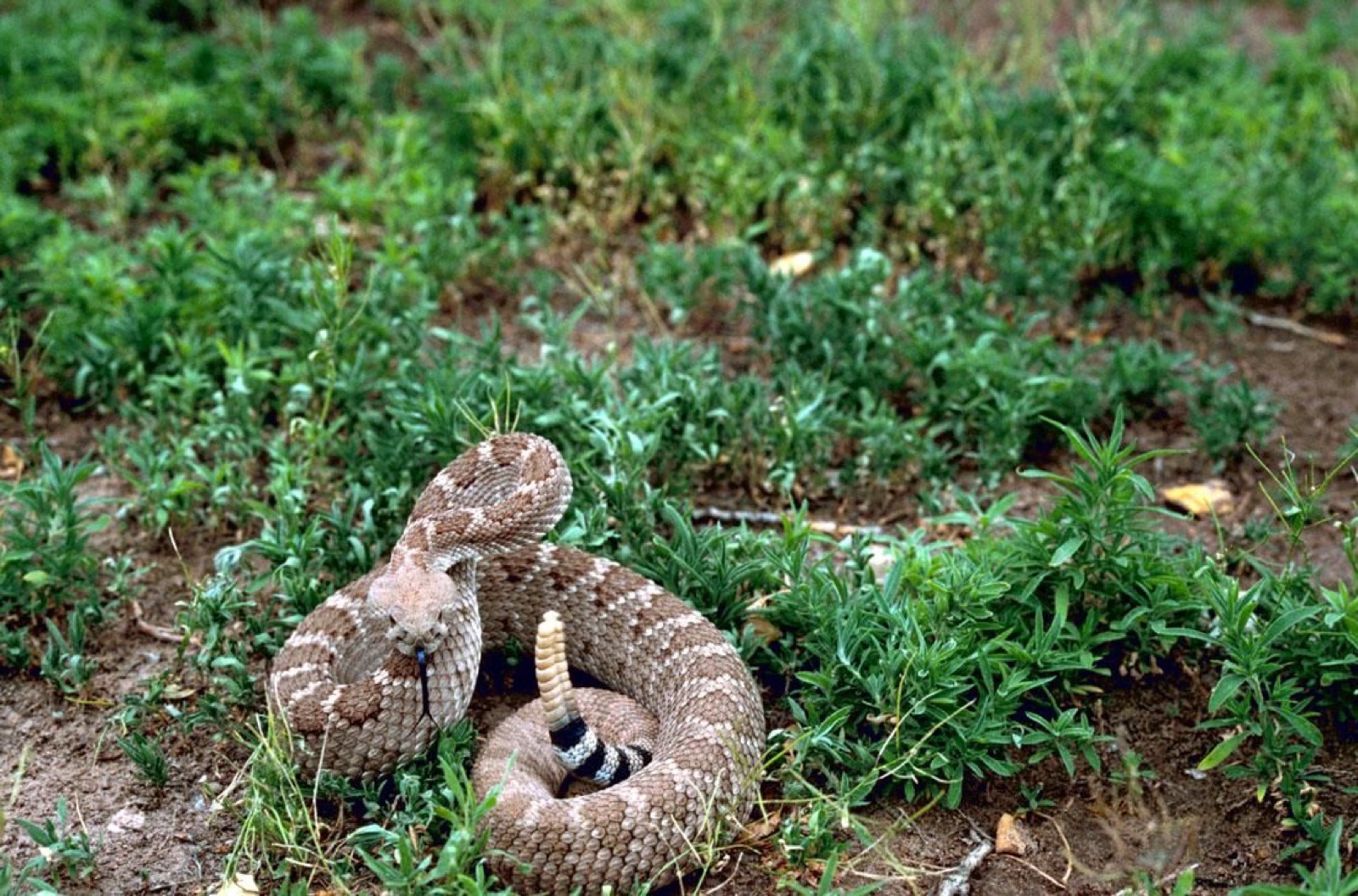
Many people wonder if snakes have a distinct odor, often associating them with a particular smell. The truth is, snakes can indeed emit various scents, though the strength and nature of these smells vary greatly and are often much more subtle than many imagine. For humans, the most noticeable odor from a snake typically comes from specialized musk glands, which are primarily used as a defensive mechanism when the snake feels threatened or stressed.
These musk glands are located at the base of the snake's tail, near its vent, and produce a foul-smelling, often yellowish or whitish, fluid. When a snake is handled, disturbed, or feels cornered, it may release this musk to deter predators or perceived threats. The scent is often described as musky, fishy, skunky, or even like strong feces, and it can linger in the air or on surfaces. While all snakes possess these glands, the potency and frequency of musk release differ significantly between species and even individual snakes. Some species, like certain water snakes, are particularly known for their pungent defensive musk.
Beyond defensive musk, a snake's overall scent profile can be influenced by several other factors. Their diet plays a role; a snake that has recently consumed a rodent or amphibian might carry faint odors related to its prey. Similarly, environmental elements can cling to a snake's scales. Snakes that inhabit damp areas, burrow in soil, or move through decaying leaf litter can pick up the ambient smells of their surroundings. Even their waste products, such as feces and urates, contribute to a localized scent, though these are typically not strong enough to be detected from a distance by humans.
It's also important to remember that snakes primarily "smell" their environment using their forked tongues and vomeronasal organ (Jacobson's organ), detecting chemical cues and pheromones. These chemical signals are crucial for communication, especially during mating season when male snakes follow pheromone trails left by females. While these reproductive scents are vital for snakes, they are usually undetectable or innocuous to the human nose, bearing no resemblance to the strong defensive musk. It's a common misconception that a strong, unpleasant smell automatically indicates a venomous snake; non-venomous species are just as capable, if not more so, of releasing potent musk.
The primary reason a snake emits a strong odor is almost always defensive. It's a warning, a deterrent, and a way for the snake to make itself less appealing to a potential predator. Understanding this behavior helps to demystify the "smell" of a snake, revealing it as a natural, albeit sometimes unpleasant, part of their survival strategy. Rather than an inherent characteristic of all snakes, a strong smell is often a sign of a stressed animal trying to protect itself.
Therefore, encountering a snake with a distinct odor should not be used as a primary identification method for venomousness or as a reason to panic. Many harmless species are known for their particularly strong-smelling musk. The most reliable way to assess a snake's species and potential danger is through visual identification of its markings, body shape, and head characteristics, all from a safe distance. Never rely on smell alone to determine if a snake is dangerous or not.
If you encounter a snake and notice a scent, remember it's likely a defensive action from an animal feeling threatened. The best course of action is always to maintain a respectful distance and avoid any attempts to handle or provoke the snake. If you need to identify a snake in your yard or on a trail, safely take a clear photo from a distance. Then, use an identification tool like SerpentID to compare its markings against local species, allowing you to understand the snake without putting yourself or the animal at risk. If it's identified as a venomous species, contact your local wildlife services for guidance.