


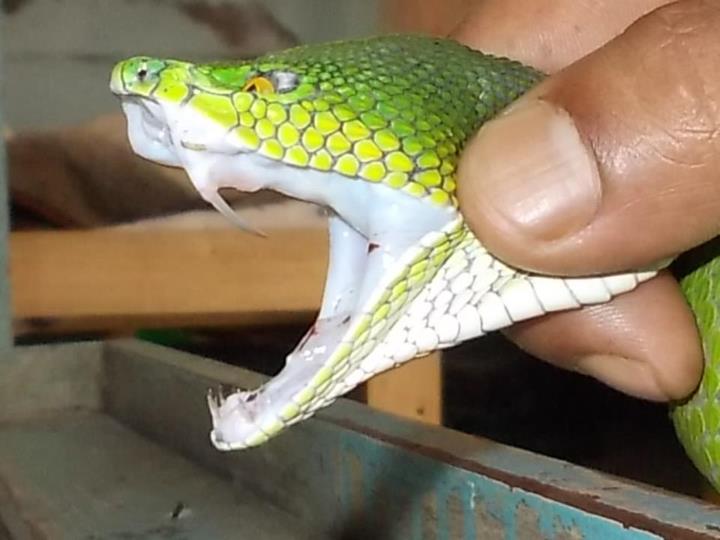
Anyone who has found a shed snake skin might wonder if snakes shed their teeth along with their scales. While teeth are not part of the shed skin, snakes undergo a continuous process of tooth shedding and replacement known as polyphyodonty. Mammals typically grow a juvenile set of milk teeth followed by an adult set, but snakes produce dozens of successive teeth over a lifetime. Because snakes rely entirely on their jaws to capture, hold, and swallow prey whole, maintaining sharp, functional teeth and fangs is essential to their survival.
Snake teeth do not have deep roots embedded in socketed bone the way mammalian teeth do. Instead, they are attached directly to the surface or inner edge of the jawbone by fibrous connective tissue and thin bone. Beneath or alongside each active tooth lies a succession of undeveloped reserve teeth in various stages of growth. As a snake feeds, struggles with struggling prey, or simply experiences normal wear and tear, older teeth regularly loosen, break off, or fall out. When an functional tooth drops out, the underlying tissue pushes the next reserve tooth forward into position, where it quickly anchors to the jaw.
This replacement process is especially critical for venomous species equipped with large, hollow fangs. Fangs are highly specialized, elongated teeth designed to puncture skin and deliver venom under pressure. Because fangs endure immense mechanical stress during a strike, pit vipers, cobras, and mambas possess a sophisticated assembly line of replacement fangs tucked into the tissue sockets behind their functional fangs. It is common for a pit viper to shed and replace its main fangs every few weeks, and at times a snake may temporarily have two fully functional fangs on one side of its mouth while the old one is about to shed.
Lost teeth are frequently swallowed alongside prey. Because snake digestive juices are powerful enough to break down bones and soft tissue, swallowed teeth pass through or dissolve without causing harm to the reptile's digestive tract. Pet owners and field researchers also occasionally find shed snake teeth embedded in prey items, resting in water dishes, or left behind on habitat substrates. This constant renewal ensures that a snake is rarely left without a complete set of sharp tools for feeding and defense.
Recognizing the mechanics of snake teeth helps dispel common myths about non-venomous and venomous species alike. Removing a venomous snake's fangs, for example, is not only cruel but completely ineffective as a long-term safety measure, as reserve fangs will rotate into place within days or weeks. Furthermore, understanding that even non-venomous snakes possess rows of small, backward-curving teeth explains why even minor bites from harmless yard species can leave small scratches or tiny puncture marks.
If you encounter a snake in your yard or while exploring outdoors, maintaining a safe distance is always the best policy. If you need to identify a snake, capture a clear photograph from several feet away and upload it to SerpentID to quickly compare its physical features against local species. Should you suspect the snake is venomous or located in an unsafe area near your home, contact your local wildlife control or animal service professionals to handle the situation safely.