


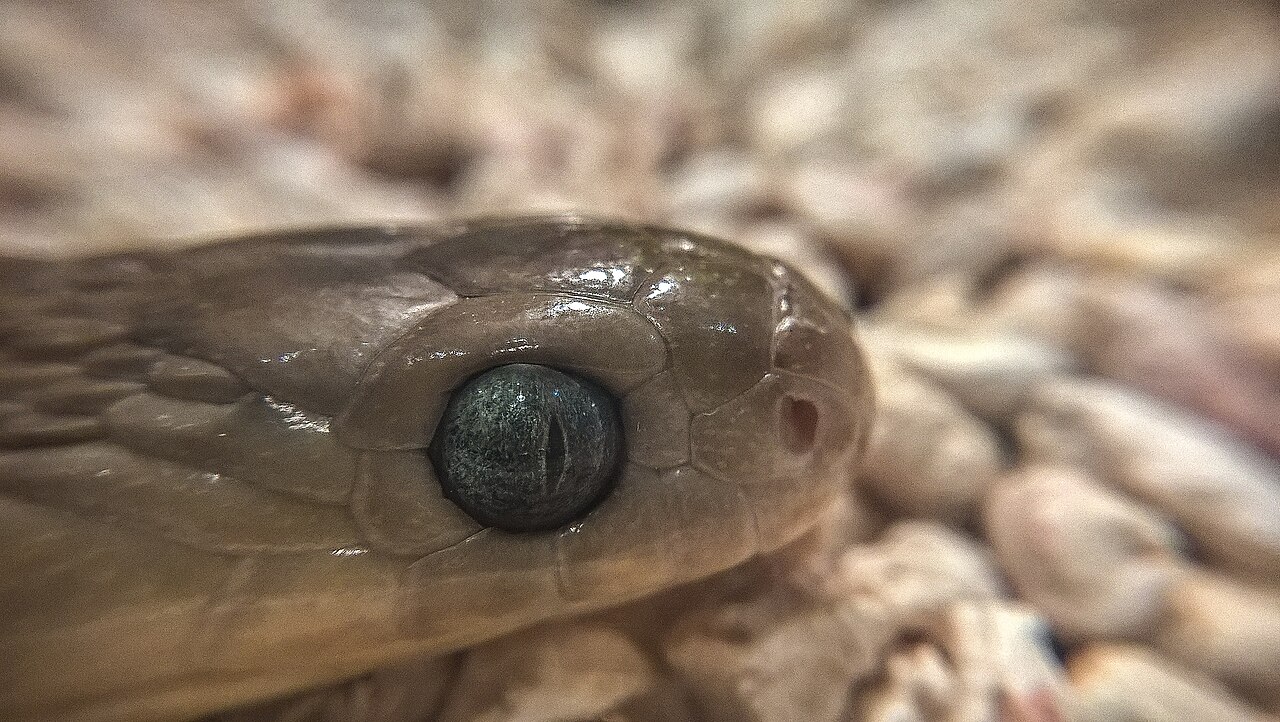
While snakes don't see in complete, absolute darkness in the way a thermal camera might, many species are incredibly well-adapted to low-light conditions and can navigate and hunt very effectively after the sun goes down. Their ability to perceive their environment in dim light varies significantly depending on the species and its typical activity patterns. For many nocturnal or crepuscular (active at dawn and dusk) snakes, their eyes are specifically structured to gather as much ambient light as possible, allowing them to detect movement and shapes when light is scarce.
The visual adaptations of snakes for low light often involve larger pupils that can open wide, much like those of a domestic cat, to maximize light intake. Their retinas are typically rich in rod cells, which are highly sensitive to low light levels and crucial for night vision, but less effective at discerning color. While they may not perceive the vibrant spectrum of colors that humans do, their ability to detect subtle changes in light intensity and movement in dim environments is often superior to our own. This visual acuity, combined with the protective, transparent spectacle scale that covers their eyes, makes their vision remarkably resilient and functional in challenging light.
It's important to remember that not all snakes are nocturnal. Many species are diurnal, meaning they are active during the day, and their eyes are structured differently, often with round pupils optimized for bright light. However, even diurnal snakes might occasionally be encountered in low light, and their other senses would then become paramount. The distinction between nocturnal, diurnal, and crepuscular activity patterns is a key factor in understanding how different snakes interact with their environment at various times of day and how their sensory systems have evolved to support those behaviors.
Beyond their visual capabilities, snakes possess an extraordinary array of other senses that are often even more critical for navigating and hunting in the dark. Perhaps most famous is their chemical sensing ability, performed through their iconic forked tongue. By flicking its tongue, a snake collects microscopic chemical particles from the air, ground, or water. These particles are then delivered to a specialized sensory organ in the roof of its mouth, called the Jacobson's organ, which allows the snake to "smell" and "taste" its surroundings with incredible precision. This chemical navigation system is invaluable for tracking prey, locating mates, and identifying threats, regardless of the available light.
For a significant group of snakes, particularly pit vipers (like rattlesnakes, copperheads, and cottonmouths), boas, and pythons, a truly unique form of "seeing in the dark" comes from their heat-sensing pit organs. These specialized facial pits contain membranes that are highly sensitive to infrared radiation, allowing the snake to detect minute changes in temperature. This means they can literally "see" the heat signature of warm-blooded prey, such as rodents or birds, even in complete darkness or through dense foliage. This thermal vision provides a detailed picture of their environment that is entirely independent of visible light.
Another crucial sensory input for snakes, especially in low light, is their ability to detect vibrations. Lacking external ears, snakes perceive ground-borne vibrations through their jawbones and the rest of their body, which transmit these signals to their inner ear. This allows them to sense the approach of prey, predators, or even humans from a considerable distance. Whether it's the subtle thud of a mouse running or the heavier footsteps of a large animal, these vibrations provide vital information about their surroundings, guiding their movements and defensive actions when visual cues are limited.
In summary, while the concept of "seeing in the dark" might conjure images of human night-vision goggles, snakes employ a far more integrated and complex sensory system to thrive after sunset. Their specialized eyes, combined with their acute chemical senses, thermal vision (for some species), and vibration detection, make them highly effective hunters and survivors in low-light conditions. When encountering a snake, especially after dark, it's always safest to assume it is fully aware of its surroundings and capable of defending itself. Always maintain a respectful and safe distance. If you need help identifying a snake you've encountered, take a clear photo from a safe distance, and let SerpentID assist you in identifying the species against local populations.