


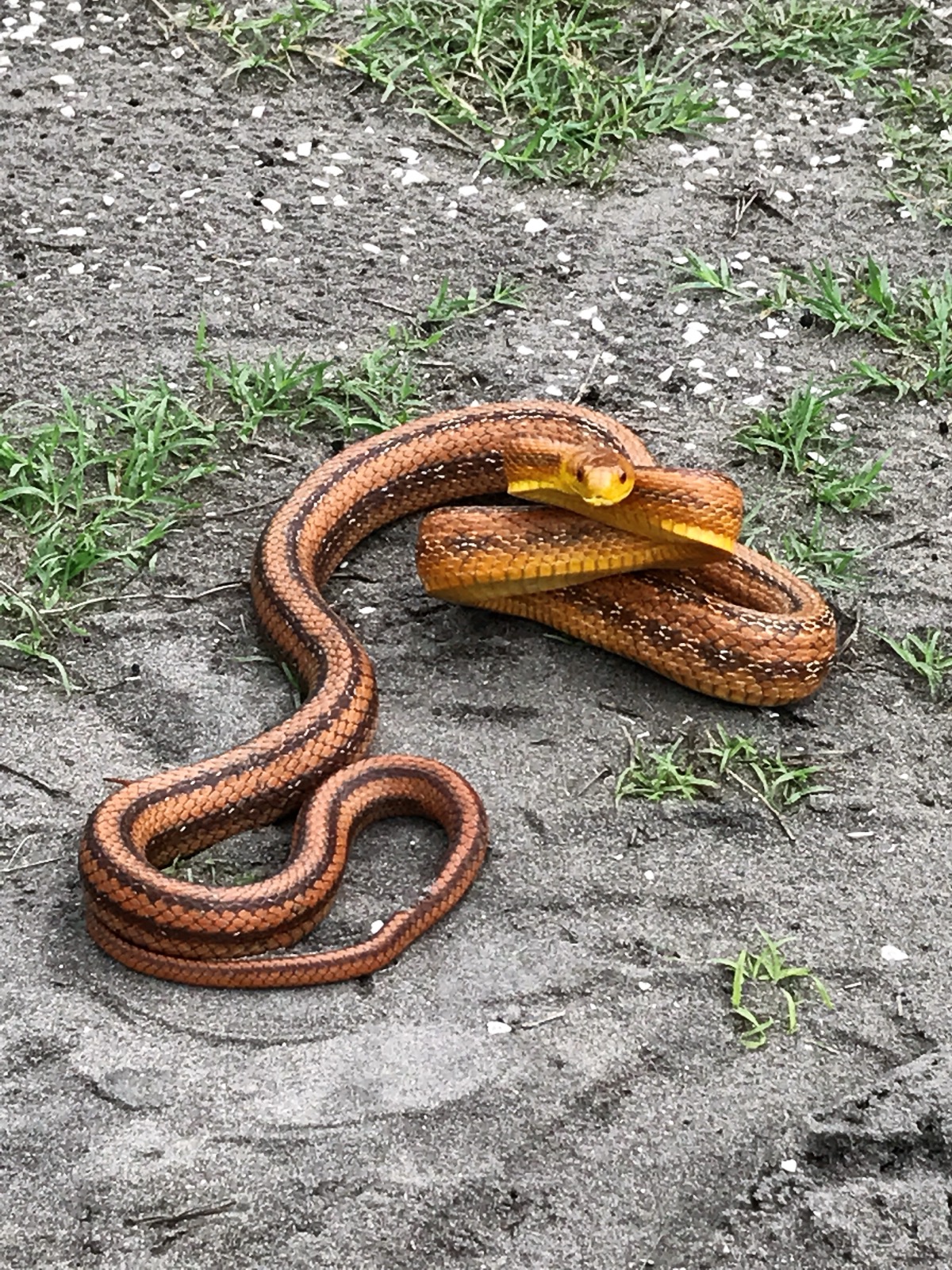
It's a common misconception, often fueled by observations of other reptiles, but snakes do not possess the ability to regenerate lost tails or other body parts. Unlike many species of lizards, which can detach their tails as a defensive mechanism and regrow them over time, snakes lack the specialized anatomical structures and cellular processes necessary for such a feat. A snake's tail, from the vent (the cloacal opening) to the tip, is an integral part of its body, containing vertebrae, muscles, and nerves, and its loss is a permanent injury.
The reason for this biological difference lies in their evolutionary path and anatomy. Lizards that regenerate tails often have specific 'fracture planes' within their caudal (tail) vertebrae, allowing for a clean break. They also have a unique stem cell population that can be activated to rebuild the complex tissues of a tail. Snakes, on the other hand, do not have these specialized break points, nor do they possess the same regenerative cellular machinery. Their tail vertebrae are continuous, and the musculature and nervous system extend throughout, making a clean, regenerative detachment impossible.
While snakes cannot regrow a lost tail, they are remarkably resilient creatures with impressive healing abilities for other types of injuries. If a snake sustains a wound, such as a cut or abrasion, its body can often heal over the damaged tissue. This process is aided by their regular shedding cycles, where the outer layer of skin is replaced, helping to remove minor damage and keep the skin healthy. However, this healing is about repairing existing tissue, not regenerating a lost appendage.
The loss of a portion of its tail can have significant consequences for a snake. The tail plays a crucial role in balance, especially for arboreal or fast-moving species. It can also be used for prehensile grip, defense (like rattling in rattlesnakes), and even as a lure for prey in some species. A snake with a shortened tail may experience impaired mobility, reduced hunting efficiency, and a compromised ability to defend itself, making it more vulnerable in the wild.
Tail loss in snakes can occur for various reasons. Predators, such as birds of prey, mammals, or even other snakes, might attack a snake, resulting in a partial tail loss if the snake manages to escape. Accidents involving human activity, such as lawnmowers, vehicles, or careless handling of yard debris, are also unfortunately common causes of severe injury or tail amputation. It underscores the importance of exercising caution and giving snakes space when encountered.
Therefore, if you ever encounter a snake with a shortened or visibly injured tail, understand that it's a permanent physical alteration, not a temporary state before regeneration. This distinction is crucial for appreciating the unique biology of snakes and debunking common myths that lump all reptiles into the same category regarding regenerative capabilities. Each species has its own set of remarkable adaptations.
When you encounter a snake, whether it appears injured or perfectly healthy, the safest approach is always to observe from a respectful distance. If you're unsure about the species or its potential danger, a clear photograph from a safe distance can be invaluable. The SerpentID app can help you compare markings against likely local species, providing insight into its identity. If you suspect a snake is venomous or injured and requires intervention, always contact local wildlife services or a professional snake catcher rather than attempting to approach or handle it yourself.