


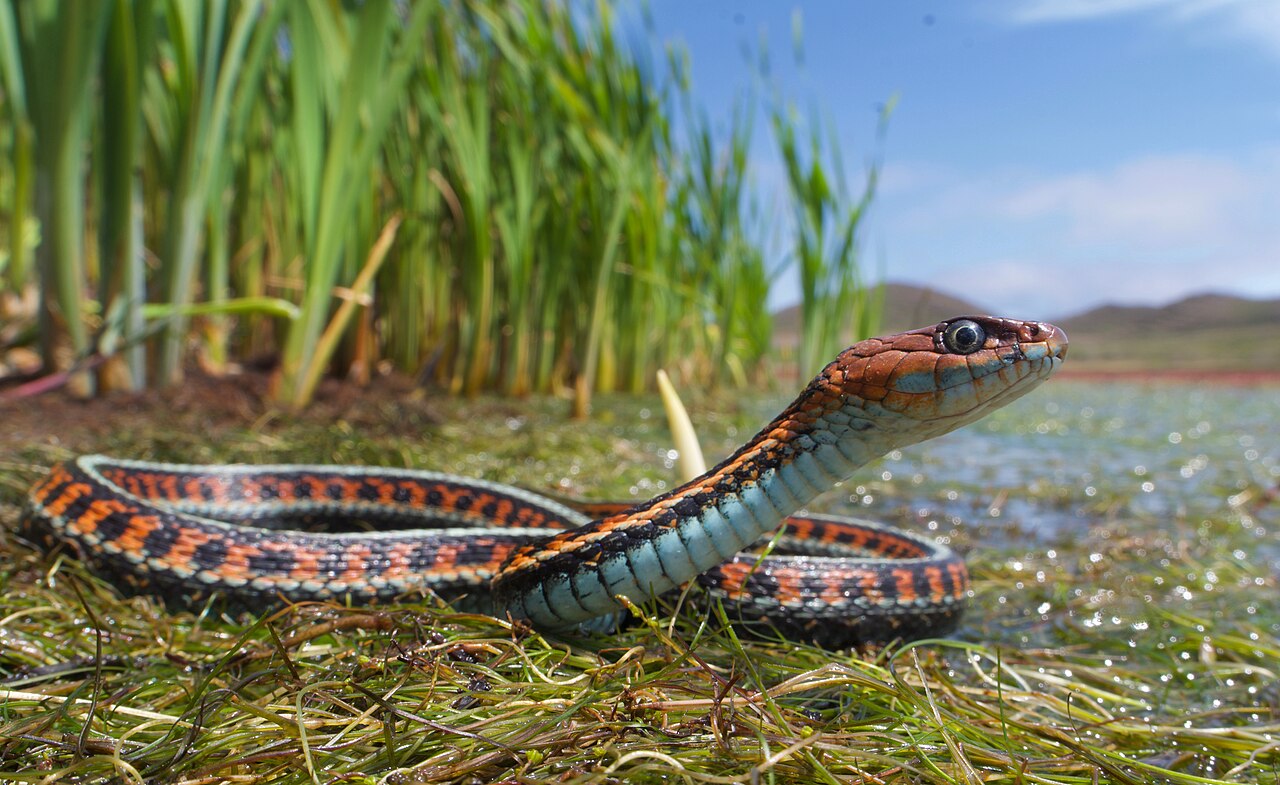
The concept of 'play' as we understand it in many mammals and birds—voluntary, non-survival-oriented activity engaged for enjoyment, learning, or social bonding—does not typically apply to snakes or most other reptiles. Snake behavior is almost entirely driven by instinctual responses to their environment and physiological needs. Every movement, every posture, every interaction serves a direct purpose related to their survival: finding food, avoiding predators, regulating body temperature, or seeking a mate. This fundamental difference in behavioral drivers means that while snakes are fascinating and complex creatures, they do not 'play' in the same way a kitten might chase a toy or a puppy might wrestle with a sibling.
Unlike many mammals, snakes do not have a prolonged period of juvenile development where play is crucial for learning motor skills, social cues, or hunting techniques. From the moment they hatch or are born, young snakes are essentially miniature adults, equipped with all the necessary instincts to survive independently. Their brains are wired for immediate survival, not for abstract learning through playful exploration. This isn't to say snakes don't explore their environment; they certainly do, but their exploration is a serious business, a constant assessment of potential food sources, hiding spots, and threats, rather than a lighthearted engagement with their surroundings.
What might sometimes be misinterpreted as play by human observers are often behaviors with a clear survival function. For instance, two male snakes might engage in a ritualistic combat dance during breeding season, intertwining their bodies in a display of strength to win a female. This intense, energy-consuming interaction is purely reproductive, not playful. Similarly, a snake moving quickly through vegetation, investigating crevices with its tongue, or trying to escape a perceived threat might appear energetic or curious, but these are essential actions for foraging, seeking shelter, or self-preservation, never for amusement.
Snakes perceive their world through a rich array of senses, including specialized heat-sensing pits in some species, acute vibration detection through their jawbones, and a highly developed chemosensory system via their forked tongues. These senses are constantly processing information to guide their next move, whether it's tracking prey, detecting a predator's presence, or finding an optimal basking spot. Their behavior is a direct, often immediate, response to these sensory inputs, a continuous loop of stimulus and reaction that efficiently ensures their survival in a challenging world.
In captive environments, caretakers often provide 'enrichment' for snakes, which involves offering varied substrates, climbing structures, hiding spots, and opportunities to hunt. While these activities stimulate natural behaviors and contribute to a snake's well-being, they are designed to mimic the challenges and opportunities of their natural habitat, not to encourage play. A snake navigating a complex enclosure is exercising its innate problem-solving and exploratory instincts, fulfilling its biological drives in a safe setting, which is distinct from engaging in recreational play. Providing such environments is crucial for keeping captive snakes healthy and mentally stimulated, even if they aren't 'playing'.
Understanding that snakes operate on a different behavioral paradigm than many other animals helps us appreciate their unique adaptations and the elegance of their survival strategies. Their lives are a testament to efficient evolution, where every action is finely tuned for existence in their ecological niche. While they may not exhibit the playful antics we see in some pets, their focused, instinct-driven existence is equally compelling and vital to the balance of their ecosystems.
If you encounter a snake and are curious about its behavior, the safest approach is always to observe from a respectful distance. Never attempt to interact with, handle, or provoke a snake, as even seemingly 'playful' movements can quickly turn defensive. If you need to identify a snake you've seen, take a clear photograph from a safe distance and use the SerpentID app to compare its markings against local species. If you suspect a snake is venomous or in a dangerous location, contact local wildlife services for assistance rather than attempting to manage the situation yourself.