


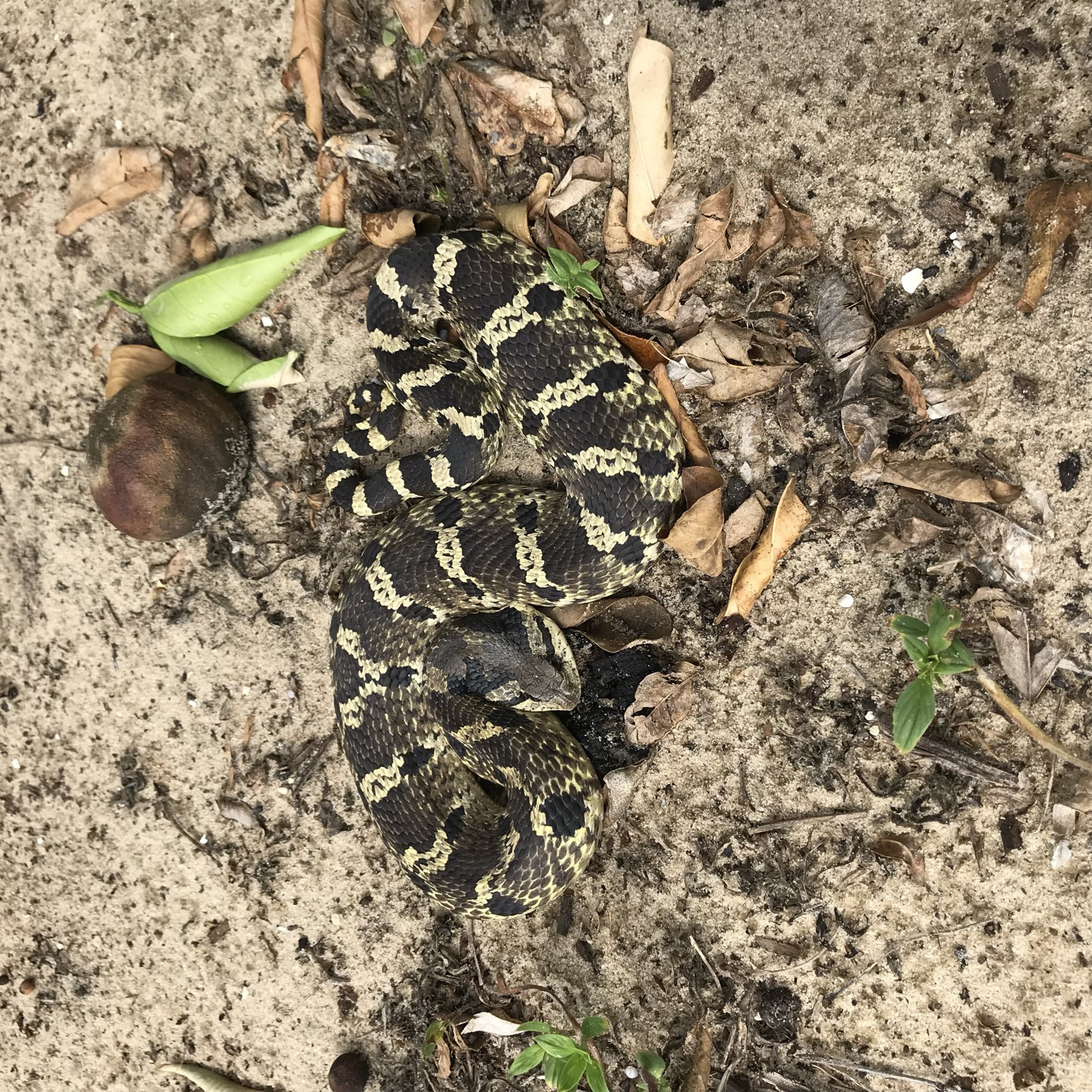
The sight of a snake lying motionless, belly-up, with its mouth agape can be unsettling, leading many to assume the animal is dead. However, for a surprising number of snake species, this macabre display is a deliberate and sophisticated defensive strategy known as thanatosis, or feigning death. It is a remarkable act of deception, where a snake convincingly mimics a deceased or dying animal to deter potential predators, often as a last resort when fleeing or more aggressive displays have failed.
When enacting this 'playing dead' routine, a snake will often go to great lengths to appear lifeless. It might twist its body into unnatural positions, stay perfectly still even when prodded, and even allow itself to be handled without reacting. Some species, particularly the notorious hognose snakes, will take the performance further, flattening their heads to mimic vipers, rolling onto their backs, and allowing their tongues to hang out. To complete the illusion, they may emit a foul-smelling musk from their cloaca, which mimics the odor of decay, making them seem even less appealing as a meal.
The primary purpose of feigning death is to discourage predators that prefer live prey or are put off by the scent or appearance of a dead or sickly animal. Many predators, from birds of prey to mammals, are opportunistic hunters but often shy away from carrion, which could harbor diseases or be difficult to digest. By pretending to be dead, the snake effectively removes itself from the predator's menu without expending the energy or risking injury involved in a direct confrontation or a desperate escape attempt.
While hognose snakes are arguably the most famous practitioners of thanatosis, they are not alone. Various species across North America, Australia, and India also exhibit this behavior. For instance, some species of water snakes might feign death when cornered, and even certain garter snakes have been observed engaging in similar tactics. The intensity and duration of the performance can vary greatly depending on the species, the individual snake, and the perceived threat, with some snakes maintaining the act for several minutes before cautiously righting themselves and slithering away.
It is crucial for observers to understand that a snake playing dead is very much alive and still capable of biting. The 'dead' act is a stress response, and the snake is under immense pressure. Mistaking its feigned death for actual harmlessness and attempting to pick it up or interact with it can easily provoke a defensive bite. Respecting the snake's space and allowing it to recover from its stressful ordeal naturally is the safest approach for both the human and the reptile.
This dramatic defensive behavior highlights the incredible adaptability and survival instincts of snakes. While it can be startling to witness, it is a testament to their complex repertoire of strategies for navigating a world full of dangers. Observing such behaviors from a safe distance offers valuable insight into the lives of these fascinating creatures, reminding us that even the most seemingly simple animals possess intricate and surprising survival skills.
If you encounter a snake exhibiting this or any other behavior, the safest course of action is always to maintain a respectful distance. Never attempt to handle or provoke a snake, even if it appears to be dead. Instead, if you need to identify the species, take a clear photograph from a safe distance and use the SerpentID app to compare its markings against likely local species. If the snake is identified as venomous or you are unsure, contact local wildlife services for guidance, rather than attempting to intervene yourself.