


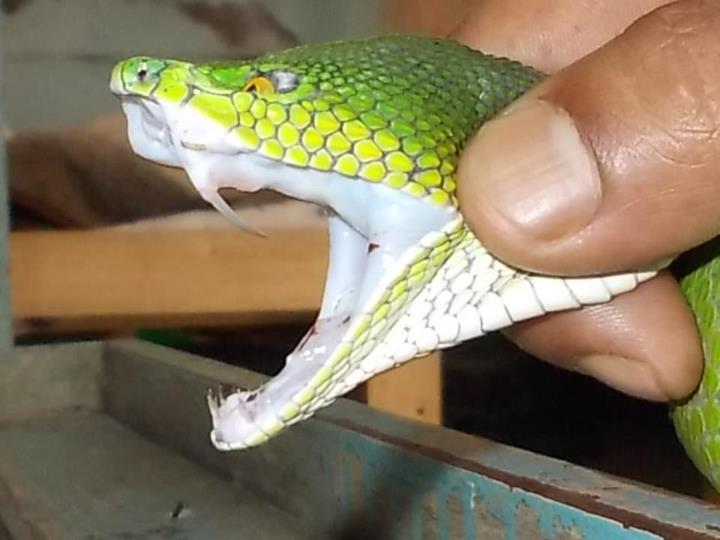
One of the most fascinating aspects of snake biology, especially for venomous species, is the intricate design and function of their fangs. These specialized teeth are crucial for subduing prey and for defense. A common question arises about their durability: do snakes lose their fangs? The answer is a resounding yes. Snakes, much like humans replace their baby teeth, continuously replace all their teeth, including their fangs, throughout their lives. This is a vital, ongoing process that ensures a snake's primary tools for survival remain sharp and effective.
The process of fang replacement is a remarkable adaptation. Behind each functional fang, there are usually several replacement fangs in various stages of development, nestled within the jawbone. These are often referred to as 'reserve' fangs. When a primary fang is lost due to damage, wear, or simply as part of the natural shedding cycle, one of these replacement fangs will rapidly move into position, becoming functional within a relatively short period. This continuous turnover means that a venomous snake is almost never truly 'defanged' for long.
The frequency of fang replacement is not strictly scheduled like a human's single set of adult teeth. It can be influenced by several factors, including feeding habits, accidental damage during a strike, or even the snake's overall growth. For instance, a snake that frequently strikes hard-bodied prey might experience more wear and tear on its fangs, leading to more frequent replacement. While it might sometimes coincide with a snake's skin-shedding cycle, it is a separate, more constant process that ensures the snake is always prepared to hunt or defend itself.
Snake fangs themselves are highly specialized teeth. In vipers, such as rattlesnakes and copperheads, the fangs are long, hollow, and hinged, folding back against the roof of the mouth when not in use. Elapids, like cobras and coral snakes, typically have shorter, fixed fangs at the front of their mouth, which can be grooved or hollow. Regardless of their specific design, all fangs are essentially modified teeth that connect to venom glands. Their structure allows for efficient venom delivery, whether through a quick stab or a more sustained bite.
The evolutionary advantage of continuous fang replacement is clear: survival. A snake's ability to hunt and defend itself directly depends on the integrity of its fangs. A damaged or lost fang could significantly impair its ability to capture prey, leading to starvation, or leave it vulnerable to predators. By having a constant supply of replacement fangs ready to deploy, snakes maintain their predatory edge and defensive capabilities, a testament to their incredible biological adaptations.
It is a dangerous misconception to assume that a venomous snake is harmless because it might have lost a fang. As explained, a replacement fang is always waiting in the wings, or one will quickly develop. Never approach, attempt to handle, or provoke a snake, regardless of whether you believe it has lost a fang. All venomous snakes should be treated with extreme caution and respect for their inherent danger. Their biology ensures they remain potent, even when undergoing natural processes like fang replacement.
Understanding these fascinating aspects of snake biology can help us appreciate these creatures from a safe distance. If you encounter a snake and are concerned about its presence or simply wish to identify it, remember to keep a safe distance and never approach it. A clear photograph from afar can be uploaded to the SerpentID app, which can help you identify the species and understand its potential risks based on your local area. In the event of a bite, always seek professional medical help immediately.