


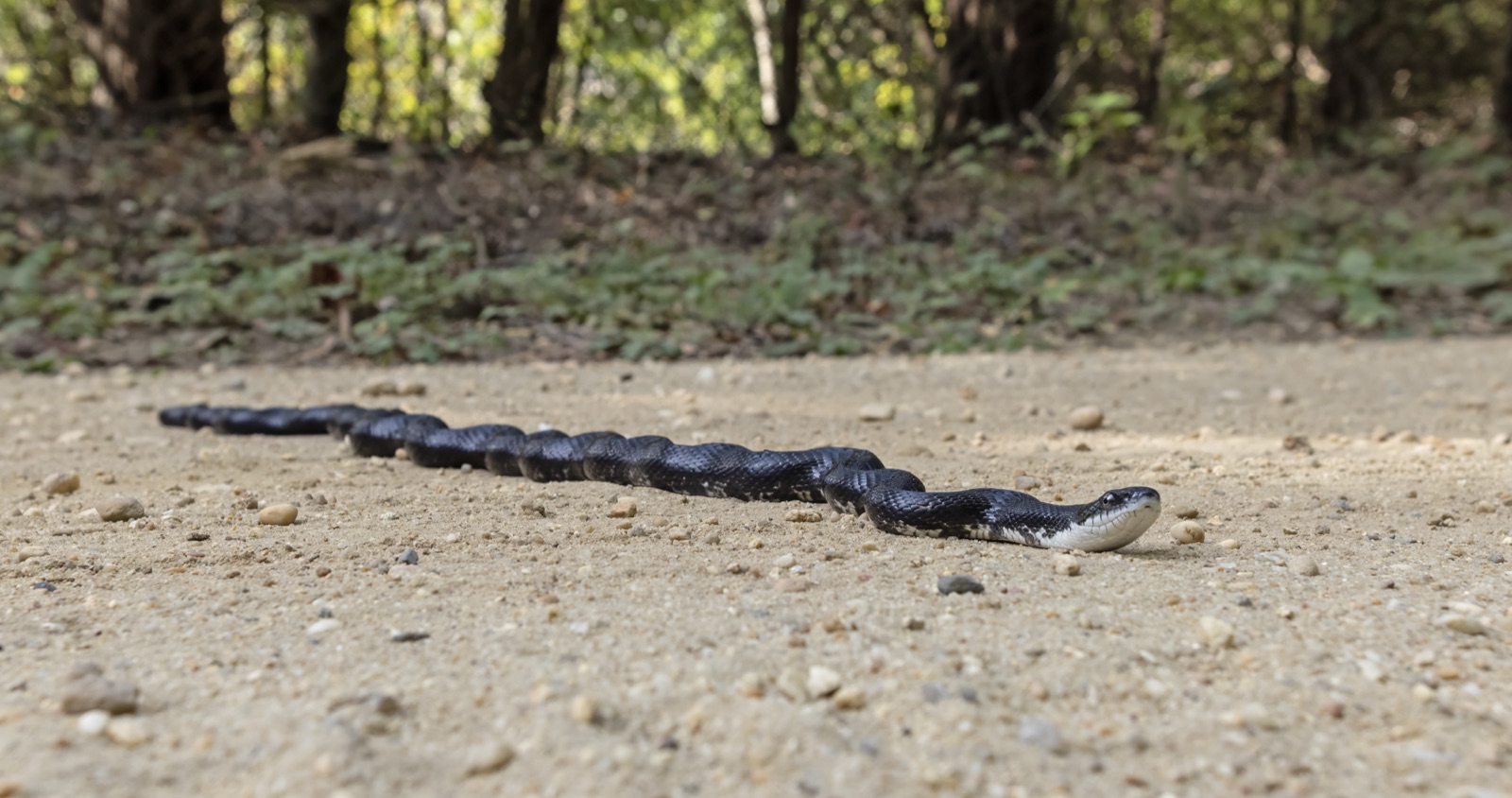
People ask this question for two reasons. Some want to know if a snake living near the barn or woodpile is worth tolerating because it eats mice. Others have noticed mice and are worried snakes will follow. Both concerns are reasonable, because the answer cuts both ways. Many snakes are effective rodent predators, but a snake in the yard is not a pest control service, and rodents can bring snakes closer to the house than you might want.
Rodents make up a large part of the diet of many snakes, especially as adults. In the United States, rat snakes, gopher snakes and bullsnakes, kingsnakes, milk snakes, and corn snakes eat a lot of mice, rats, and voles. So do rattlesnakes and copperheads. In Australia, carpet pythons are well known for hunting rats and mice around sheds and roof spaces, and the eastern brown snake, which is highly venomous, often turns up near farms and suburbs where house mice are common. In India, the Indian rat snake, or dhaman, is valued in farming areas for eating rodents in fields and grain stores. The spectacled cobra and Russell's viper also hunt rodents, which is one reason they are found around villages, paddy fields, and storage buildings.
Snakes can also go where most other predators cannot. A slender snake can follow a mouse into a burrow, a wall gap, or a rock pile, and it can eat the young in the nest. A cat or an owl can only catch rodents that come out into the open. This is why biologists see snakes as an important part of natural rodent control, especially on farmland. They work alongside raptors, foxes, and other predators to keep rodent populations from growing unchecked.
There are clear limits, though. Snakes eat far less often than mammals. Their slow metabolism means a single large meal can last an adult snake days or weeks, and snakes are inactive for long stretches in cooler months. Rodents breed fast, so one snake cannot keep up with a building full of mice or rats. A snake also moves around within its home range and may only pass through your property now and then. The idea that a single 'barn snake' will keep a property rodent-free is folklore. A healthy population of snakes and other predators helps keep numbers down over time. It does not clean up an infestation that is already established.
The other side of the equation matters more for safety. Rodents are one of the main reasons snakes come near houses, and venomous species follow food the same way harmless ones do. Copperheads and rattlesnakes in the US, brown snakes in Australia, and cobras, kraits, and Russell's vipers in India are all drawn to places where rodents gather. That includes spilled feed, stored grain, pet food left outside, bird seed, and cluttered sheds. If you want fewer snakes near your doorstep, the most effective step is to deal with the rodents. Store feed and grain in sealed containers, clean up spilled seed, seal gaps in walls and foundations, and remove junk piles and dense ground cover next to buildings. Be careful with glue traps, which often catch snakes and other non-target animals. Rodent poisons can also harm the predators that eat poisoned prey.
Some people try to relocate or release snakes to control mice. Others try to remove every snake they see, hoping to make the property safer. Neither approach works well. Moving wild snakes is often illegal without a permit, it stresses the animals, and research suggests many relocated snakes do poorly or try to return to their home range. Killing snakes is a leading cause of bites, because many bites happen when people try to handle or attack them. In many places it is also illegal. The practical middle ground is to leave snakes alone when they are away from living areas. Make the spaces around your home less inviting by cutting off the rodent food supply, and keep children and pets clear of any snake you cannot identify.
If you find a snake near a woodpile, feed room, or shed, you do not need to get close to work out whether it is a helpful rat snake or something more dangerous. Stay well back and photograph it from a safe distance. Then let SerpentID compare its markings, shape, and pattern against the snake species likely in your area. If the app suggests a venomous species, or if the snake is inside your home or somewhere people and pets cannot avoid, contact your local wildlife service or a licensed snake catcher rather than dealing with it yourself. If anyone is bitten, seek professional medical help immediately.