


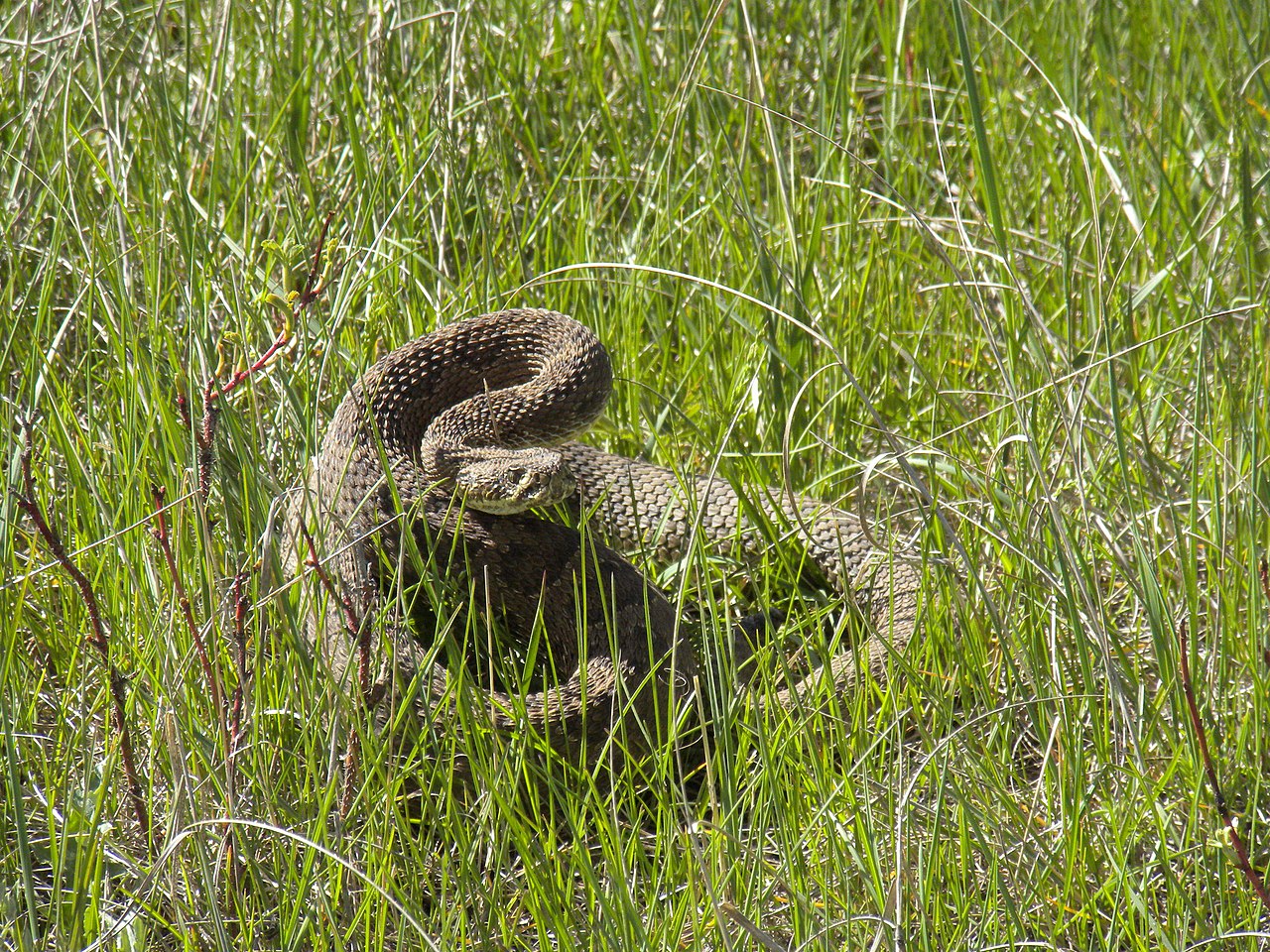
Snakes, despite popular myths and dramatic portrayals, do not possess the anatomical structures or muscular capabilities to truly "jump" in the way a frog, rabbit, or even a cat might. Unlike animals with powerful hind limbs designed for explosive vertical propulsion, a snake's elongated, limbless body is adapted for other forms of highly effective locomotion across diverse terrains. Their movement is characterized by continuous contact with a surface, relying on complex muscle contractions and friction, rather than launching themselves airborne.
Instead of jumping, snakes move through a remarkable variety of methods, each suited to different environments. Serpentine locomotion, or "undulation," involves rhythmic waves of muscle contraction that push against irregularities in the ground. Rectilinear movement allows heavier snakes to glide forward in a straight line, lifting and lowering sections of their belly scales. Sidewinding is an adaptation for loose sand, while concertina locomotion is used for climbing or navigating confined spaces, where the snake bunches up and extends its body. All these methods, while diverse and efficient, keep the snake firmly grounded.
The common misconception of a snake "jumping" likely stems from observing their incredibly fast and often startling defensive strikes. When a snake feels threatened, it can coil its body into an S-shape, storing a considerable amount of muscular energy. From this coiled position, it can rapidly extend the front portion of its body forward with surprising speed and reach, appearing to launch itself. This sudden, explosive movement can easily be misinterpreted as a jump by an observer caught off guard.
However, this action is a controlled lunge or strike, not an airborne jump. The snake maintains contact with the ground or its resting surface throughout the strike, using its powerful body muscles to propel itself forward. While a snake can strike a significant distance – often up to half or even two-thirds of its body length – it is always a forward projection of its existing mass, not a leap into the air. The purpose is typically to deliver a defensive bite or to capture prey, requiring precision and force, not sustained flight.
Snakes generally only strike when they feel directly threatened or are ambushing prey. They are not inherently aggressive animals and prefer to avoid confrontation. A defensive strike is almost always a last resort, deployed when a snake perceives it cannot escape or is being cornered, harassed, or stepped on. Understanding this distinction – that a snake strikes defensively rather than "jumping" aggressively – is crucial for maintaining a safe perspective during an encounter.
Believing a snake can jump can lead to unnecessary panic and potentially dangerous reactions, such as attempting to flee erratically or trying to harm the snake. Knowing that a snake's strike has a limited range and is a grounded, defensive lunge empowers you to react calmly and rationally. The safest approach is always to maintain a respectful distance, allowing the snake ample space to retreat and continue on its way without feeling the need to defend itself.
If you encounter a snake, the most important rule is to give it space. Do not approach it, attempt to handle it, or provoke it in any way. If you need to identify a snake, especially if you are concerned it might be venomous, take a clear photograph from a safe distance. The SerpentID app can then help you compare its markings against local species, providing valuable information so you can decide if you need to contact local wildlife services for assistance. Remember, safety comes from understanding and respect, not fear.