


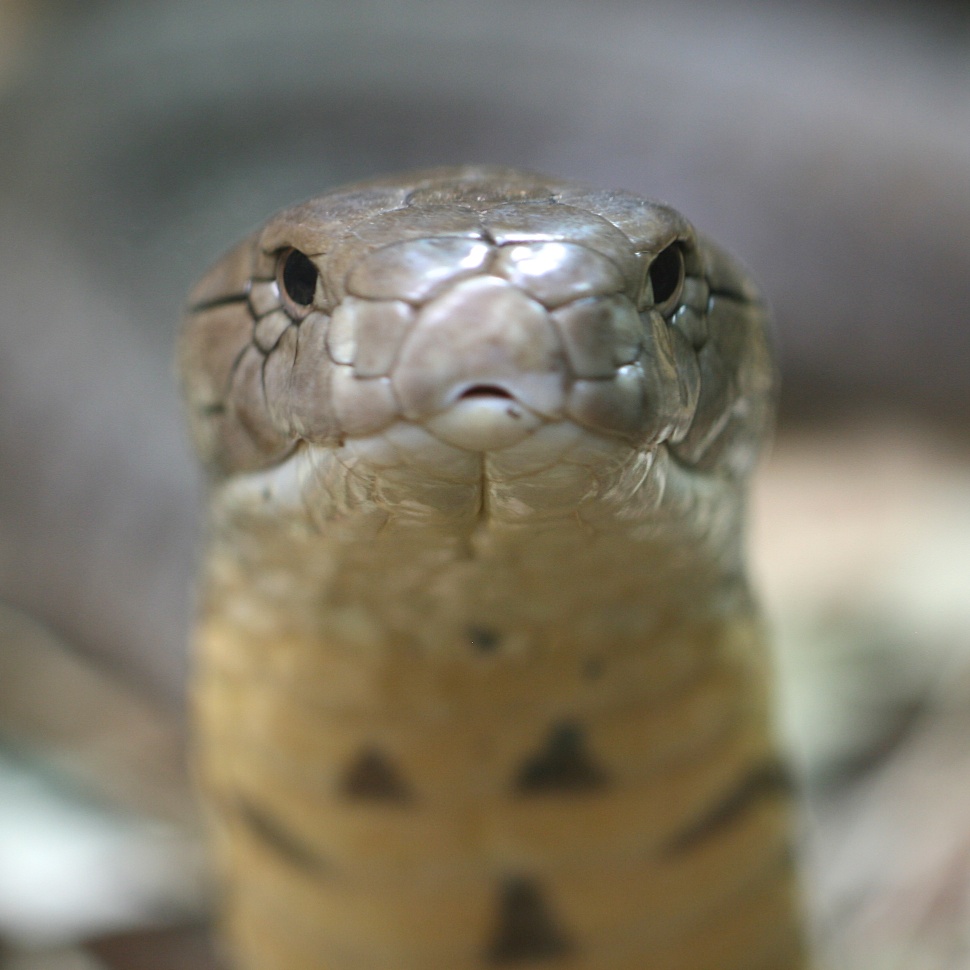
The fear that snakes actively hunt humans is a deeply ingrained one, often fueled by sensationalized media and ancient folklore. However, it's a myth that is far from the truth of snake biology and behavior. Snakes are predators, certainly, but their hunting instincts are finely tuned to specific types of prey — typically small mammals, birds, eggs, amphibians, fish, or other reptiles — all of which are a manageable size for them to overpower and swallow. Humans, by contrast, are simply not on any snake's menu.
The fundamental reason snakes do not hunt humans is purely physiological: we are far too large for any snake species to consider as food. Even the largest constrictors, like anacondas or pythons, which can reach impressive lengths and weights, would struggle immensely and likely fail to subdue and consume an adult human. The energy expenditure required for such an attempt would be astronomical, with virtually no chance of success. Snakes are efficient hunters, and they instinctively avoid targets that present an insurmountable challenge or offer no nutritional reward.
When encounters between snakes and humans occur, they are almost universally driven by factors other than predatory intent. Most often, a snake's presence near a human is due to seeking shelter, warmth, food sources (like rodents that also inhabit human spaces), or simply passing through its territory. They may be startled by our sudden appearance, feel trapped, or mistake a moving limb for a larger, immediate threat. These situations lead to defensive behaviors, not hunting.
A snake's primary defense mechanism, when escape is not an option, is to bite. This action, while terrifying and potentially dangerous if the snake is venomous, is a desperate measure born of fear, not aggression or a desire to "hunt." Snakes much prefer to avoid confrontation entirely, often freezing, fleeing, or displaying warning signs like hissing or rattling before resorting to a bite. Their goal is self-preservation, to scare away a perceived threat, not to capture prey.
Sometimes, people misinterpret a snake's natural movements as a sign of being hunted. For example, a snake trying to escape a perceived threat might move rapidly in the general direction of a person, simply because that's the clearest escape route. In dense vegetation or low light, a snake might also be difficult to spot until it's very close, leading to a sudden, startling encounter that feels like an ambush, but is merely an accidental proximity during its normal activities.
Understanding that snakes do not hunt humans is crucial for promoting safety and reducing unnecessary fear. It shifts the perspective from being a potential victim of a predator to recognizing that any dangerous interaction is almost always preventable. By respecting their space and understanding their defensive nature, we can avoid triggering their fear responses and significantly reduce the risk of a bite.
If you encounter a snake, remember it is almost certainly more scared of you than you are of it. The best course of action is always to remain calm, give the snake ample space, and allow it to move away on its own. If you need to identify a snake from a safe distance, take a clear photo and use the SerpentID app. If it's a venomous species or in a dangerous location, contact local wildlife services for safe removal; never attempt to approach, handle, or harm the snake yourself.