


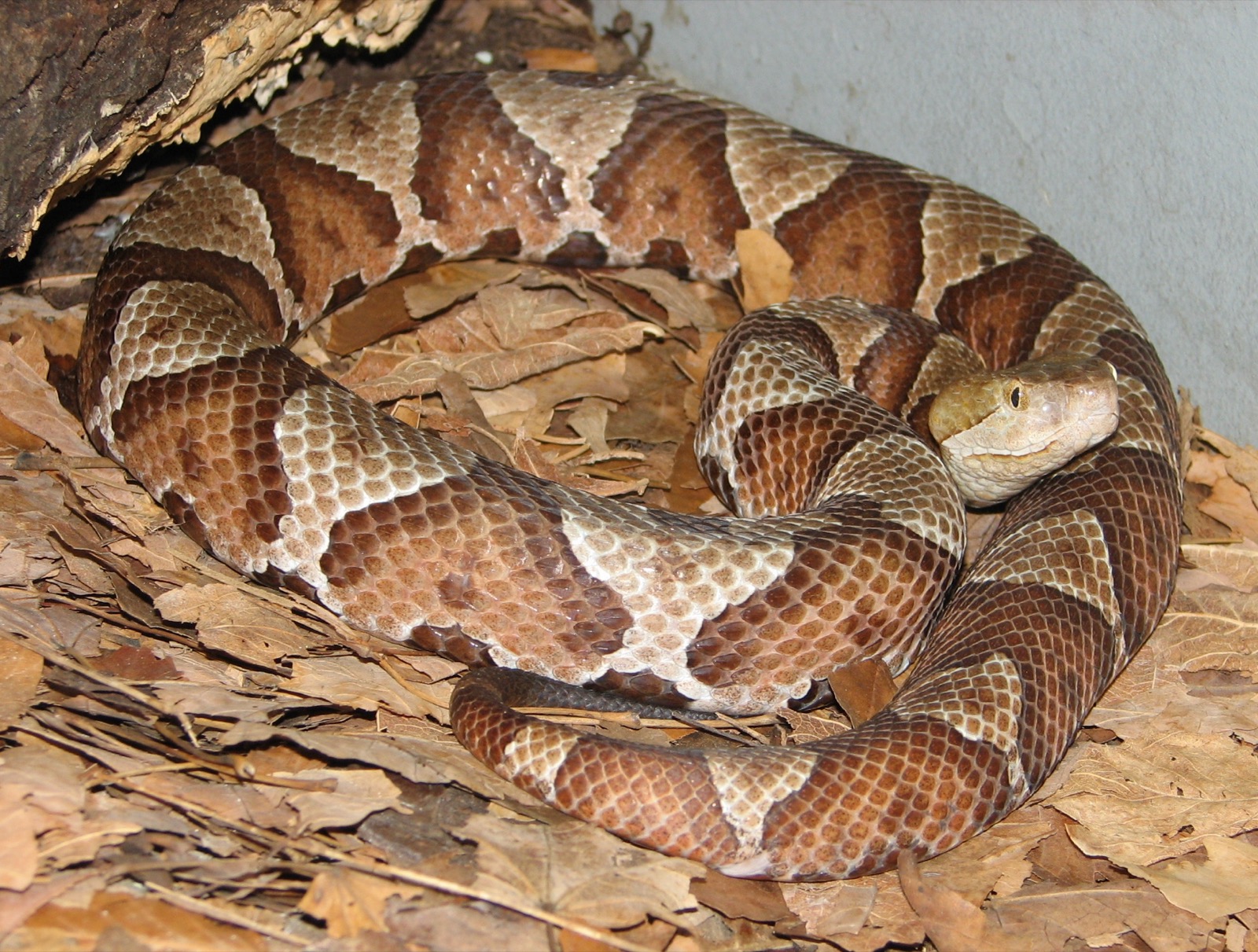
One of the most unsettling thoughts for many living in snake country is the possibility of an unexpected encounter in a personal item, especially a shoe. The direct answer is yes, snakes sometimes seek refuge in shoes or other personal items left outdoors. It's a common concern, and for good reason: shoes offer a dark, secluded, and often temperature-regulated space that can appeal to a snake looking for shelter from predators, the midday sun, or evening chill. This behavior isn't malicious or targeted; it's simply a snake seeking a safe haven within its environment, a natural instinct for survival.
The likelihood of finding a snake in your footwear increases with specific conditions. Areas with high snake populations, especially rural or semi-rural settings in the United States, Australia, or India, naturally present more opportunities. Furthermore, shoes left outdoors overnight, in sheds, garages, or near dense vegetation, are more susceptible. Snakes are most active during warmer months, and their search for suitable resting spots intensifies when temperatures fluctuate, prompting them to seek out cool retreats during hot days or warm spots on cool nights. A shoe can inadvertently become an ideal microhabitat.
While any snake could potentially find its way into a shoe, it's typically smaller, less aggressive species that are most likely to squeeze into such confined spaces. However, even venomous species, if present in the area, might opportunistically use shoes for shelter. It's crucial to understand that snakes are not actively seeking out human items; they are simply exploring their surroundings for suitable cover, and a discarded shoe can inadvertently fit their criteria. This makes it impossible to assume a snake in a shoe is harmless based on size alone, as even juvenile venomous snakes can be dangerous.
Checking your shoes effectively requires a safe, cautious approach. Before putting on any footwear, particularly those left outside or in areas where snakes might roam, always perform a visual inspection. Look inside the shoe for any signs of movement or scales. Then, gently tap the shoe on the ground or against a hard surface, allowing any potential occupant to exit. It's important to never reach your hand directly into a shoe without first ensuring it's empty, as this is how many defensive bites occur when a snake feels trapped or threatened.
Beyond checking, proactive prevention can significantly reduce the risk. Store all footwear, especially outdoor shoes, indoors or in sealed containers when not in use. Avoid leaving clothing, towels, or other items on the ground outside, particularly near vegetation or potential snake habitats. Maintaining a tidy yard by removing clutter, keeping grass short, and sealing gaps around foundations can also deter snakes from approaching your living spaces, thereby reducing the chances of them seeking shelter in your belongings.
While finding a snake in your shoe is not an everyday occurrence for most, the potential for such an encounter underscores the importance of vigilance. A simple, consistent habit of checking your footwear, especially when living in or visiting snake-prone regions, is a small effort that can yield significant peace of mind and prevent an unpleasant surprise. It's about respecting wildlife and taking sensible precautions to coexist safely, acknowledging that snakes are simply seeking shelter, not intentionally intruding.
Should you discover a snake in your shoe or anywhere else on your property, the most important rule is to maintain a safe distance and never attempt to handle it yourself. Instead, photograph the snake from a safe distance, making sure to capture clear images of its head, body, and tail. Then, use the SerpentID app to compare its markings against likely local species. If it's venomous or you're unsure, contact local wildlife services or a professional snake catcher for safe and humane removal.