


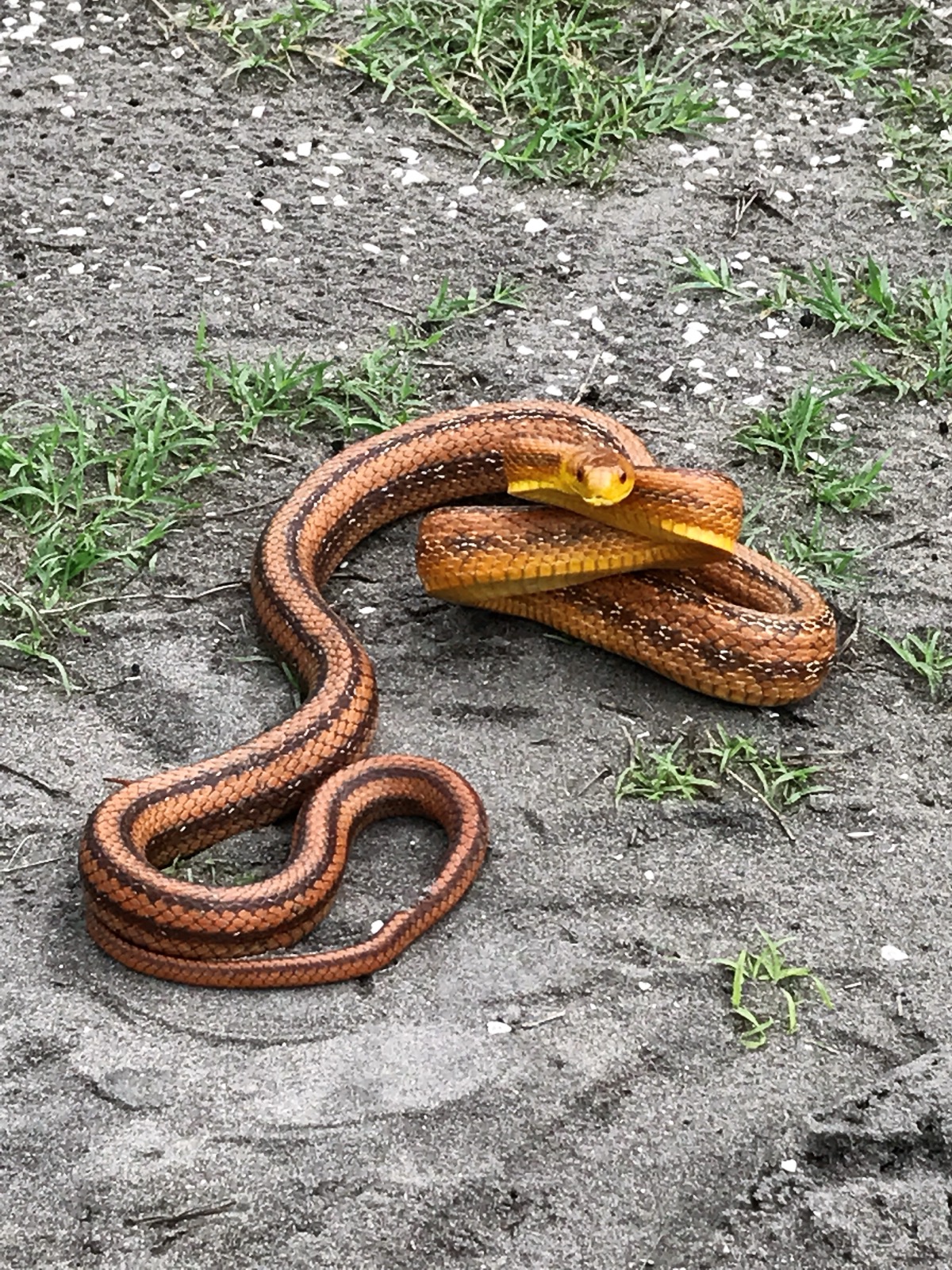
When we think of internal organs, we often picture symmetrical pairs, especially in vertebrates. However, snakes, with their remarkably elongated and slender bodies, present a fascinating departure from this norm, particularly concerning their lungs. While it's a common misconception that snakes might have only one lung, or two perfectly symmetrical ones, the reality is a testament to evolutionary adaptation. Most snake species do possess two lungs, but their structure and function are far from typical, reflecting the unique challenges and advantages of their serpentine form.
The primary adaptation lies in the significant asymmetry of these two lungs. In the vast majority of snake species, the left lung is either greatly reduced in size, often appearing as a small, non-functional vestige, or it is entirely absent. Conversely, the right lung is dramatically elongated, extending far down the snake's body cavity. This arrangement maximizes the available space within their narrow torso, ensuring that vital respiratory capacity is maintained without creating a bulky profile that would hinder their movement through tight spaces or their ability to swallow prey much larger than their head.
The elongated right lung itself is often specialized, typically divided into two sections. The anterior portion, closer to the head, is highly vascularized, meaning it's rich in blood vessels and is the primary site for gas exchange, where oxygen enters the bloodstream and carbon dioxide is expelled. The posterior portion, extending further down the body, often functions more as a saccular or 'air sac' lung. This area is less vascularized and primarily serves as a reservoir for air, which is particularly useful during the slow, protracted process of swallowing large meals, allowing the snake to continue breathing even when its trachea is compressed.
Variations in lung structure can be observed across different snake families, highlighting the diversity of their adaptations. More primitive snakes, such as boas and pythons, tend to have two more equally developed (though still asymmetrical) lungs, with the left lung being somewhat more functional than in advanced snake species. Aquatic snakes, like sea snakes, often exhibit an even more exaggerated elongation of their single functional lung, which can extend nearly the entire length of their body, providing not only respiratory function but also aiding in buoyancy control during their marine existence.
This unique pulmonary architecture is a key factor in the evolutionary success of snakes. It allows them to maintain efficient respiration while embodying a body plan perfectly suited for burrowing, climbing, swimming, and constricting. Without this specialized arrangement, the limitations of their slender form would severely compromise their ability to breathe effectively, especially during strenuous activities or after consuming a large meal, which can temporarily constrict parts of their internal anatomy.
Beyond the lungs, many other internal organs in snakes also exhibit similar adaptations to their elongated bodies. Kidneys, gonads, and even the liver are often stretched out, with one organ positioned anterior to the other rather than side-by-side, or one being significantly larger and more developed than its counterpart. This serial arrangement of organs, rather than parallel, is a consistent theme in snake anatomy, demonstrating a holistic approach to adapting to their unique physical constraints and lifestyle.
Understanding these internal adaptations helps us appreciate the incredible biology of snakes, but it's always important to remember to observe these fascinating creatures from a safe distance. If you encounter a snake and are curious about its species, the safest and most responsible action is to take a clear photograph without approaching it too closely. SerpentID can then help you identify the snake by comparing its markings against likely local species, allowing you to learn more while ensuring both your safety and the snake's well-being.