


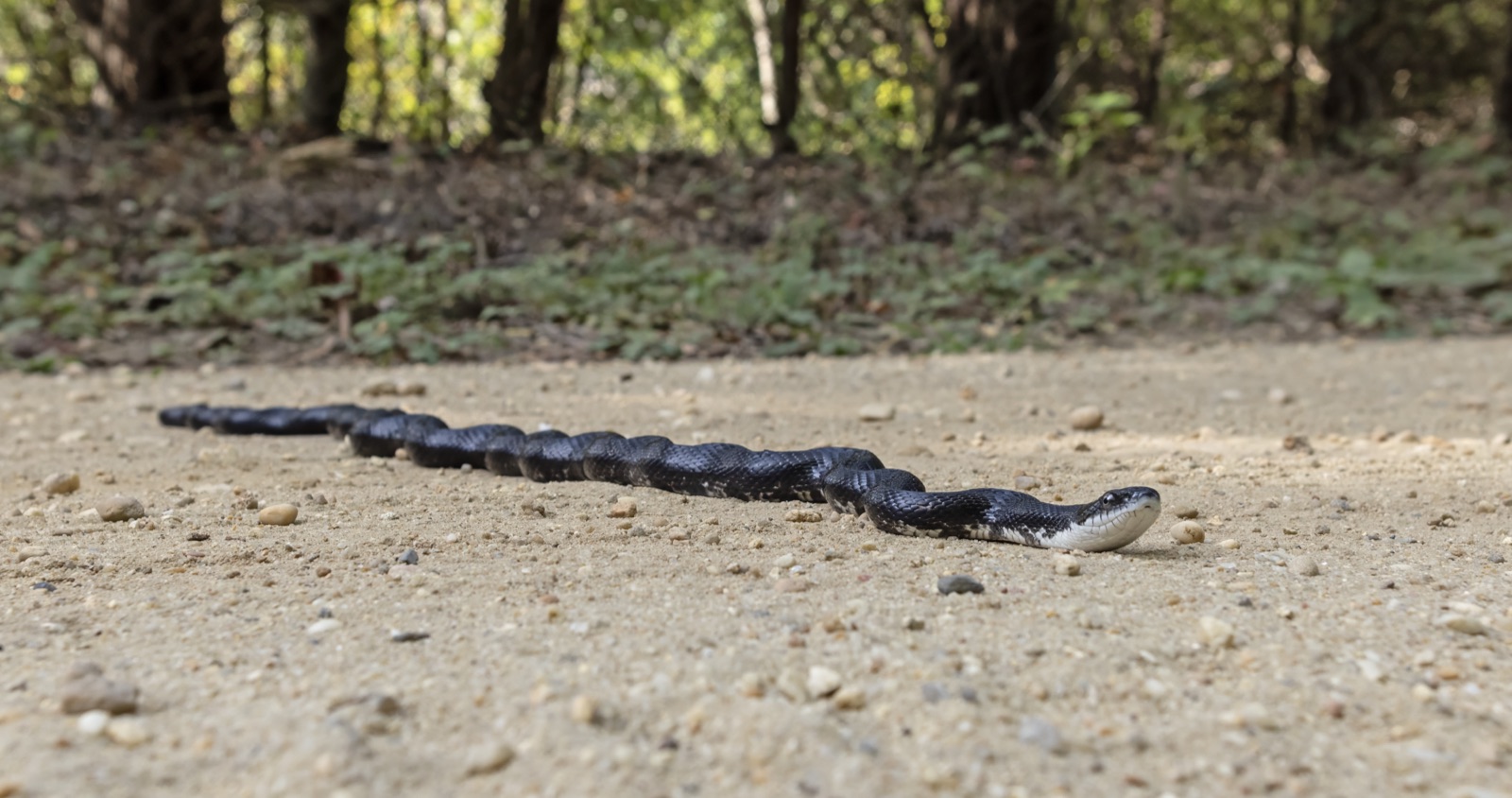
The concept of 'territory' in the animal kingdom often conjures images of fierce defense, with creatures marking boundaries and warding off rivals. While many animals, particularly mammals and birds, exhibit such territorial behaviors, snakes generally do not. Instead, these fascinating reptiles operate within what herpetologists call a 'home range.' This distinction is crucial for understanding snake behavior and for safely coexisting with them in shared environments.
A snake's home range is essentially the area it regularly uses for all its essential activities: foraging for prey, seeking water, finding suitable basking spots, locating shelter from predators or extreme weather, and encountering potential mates. Unlike a true territory, a home range is not actively defended against other individuals of the same species. Multiple snakes might have overlapping home ranges, peacefully coexisting as long as resources are sufficient. This non-exclusive use of space highlights a fundamental difference in how snakes interact with their environment compared to many other vertebrates.
The size and shape of a snake's home range can vary dramatically depending on several factors. Species that are more active hunters, like some racers or kingsnakes, might have larger ranges than a sedentary ambush predator, such as a viper, which may spend weeks in a small area awaiting prey. Environmental conditions, such as the availability of food and water, also play a significant role; a snake in a resource-rich habitat might need a smaller range than one in a sparse environment. Furthermore, a snake's age, sex, and the time of year can influence its movements, with males often covering more ground during breeding season and juveniles dispersing from their birth areas.
Snakes navigate and 'know' their home ranges through a sophisticated combination of senses. Their remarkable chemosensory abilities, primarily through their forked tongue and Jacobson's organ, allow them to detect scent trails left by prey, predators, and other snakes. They also likely create and follow their own scent trails within their familiar areas. Beyond chemical cues, snakes remember physical landmarks, temperature gradients, and other environmental features, building a mental map of their surroundings. This intricate sensory world ensures they are not aimlessly wandering but purposefully moving within their established range to meet their survival needs.
While snakes generally stick to their home ranges, there are occasions when they might venture further afield. Young snakes, for instance, often disperse from their hatching or birth sites to establish their own ranges, a crucial behavior for preventing inbreeding and expanding populations. During breeding season, males may undertake longer journeys in search of females. Additionally, seasonal changes can prompt movements to specific overwintering sites, known as hibernacula, which might be outside their typical summer foraging grounds. These movements, however, are usually purposeful and part of their natural life cycle, not random excursions.
Understanding that snakes have home ranges rather than territories can help demystify their presence. When you encounter a snake in your yard, on a trail, or even occasionally in an outbuilding, it's not typically 'invading' but rather utilizing a part of its natural environment to find food or shelter. It's a temporary visitor, or a resident simply moving through its established stomping grounds. These encounters are a reminder that we share our landscapes with a diverse array of wildlife, each with its own patterns of movement and resource use.
If you encounter a snake, the best approach is always to observe it from a respectful distance. If you need to identify the species, take a clear photo without approaching too closely. The SerpentID app can then compare its markings against likely local species, providing valuable information about whether it is venomous. If it is, contact local wildlife services for safe removal. Never attempt to handle, approach, or harm a snake, as this is when most defensive bites occur.