


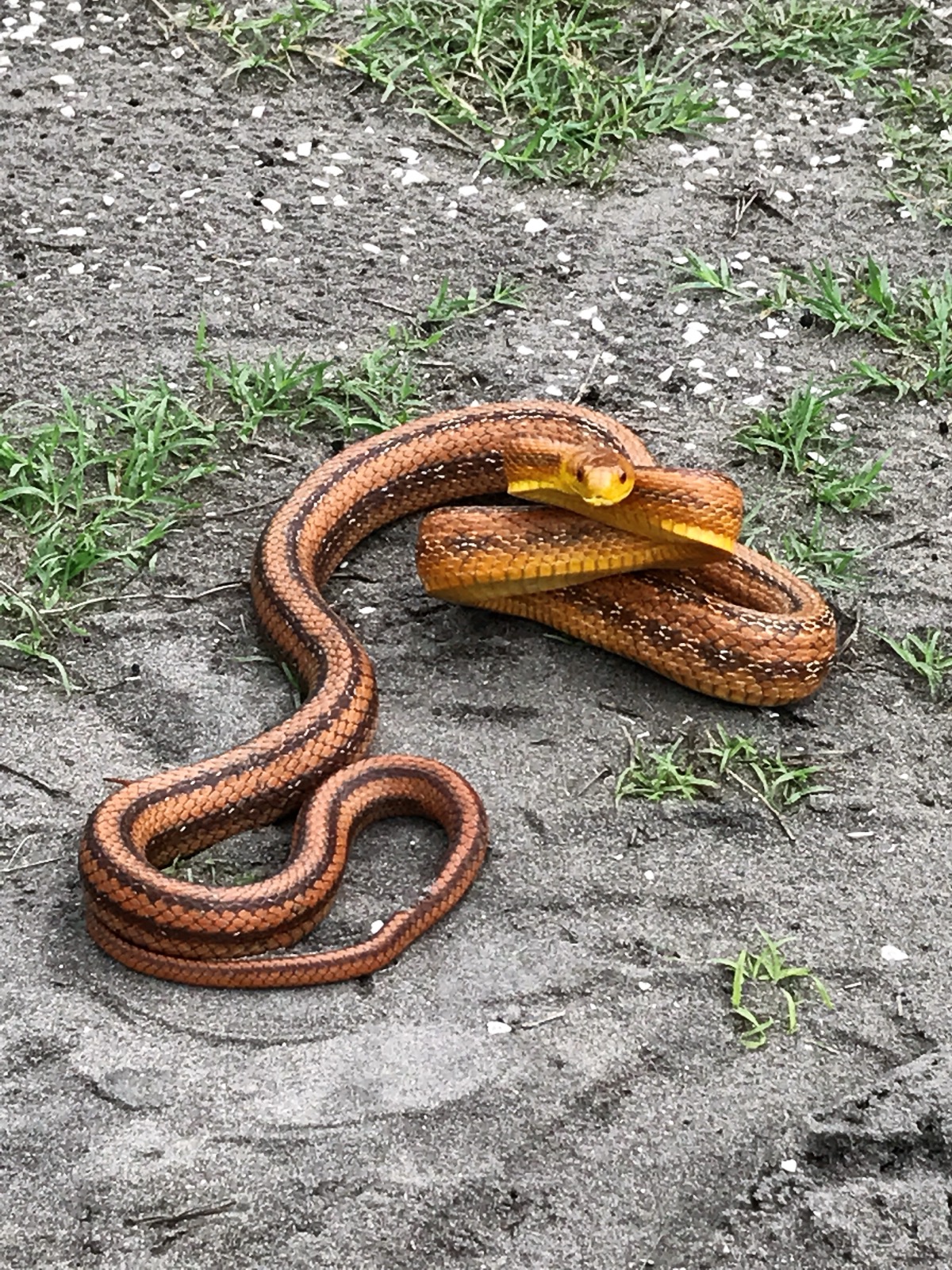
Yes, snakes absolutely have stomachs, though their digestive system is remarkably different from our own, finely tuned for a life of infrequent, large meals. Unlike the compact, sac-like stomach found in many mammals, a snake's stomach is an elongated, tubular organ that fits perfectly within its long, slender body. This specialized design allows them to consume prey often much wider than their own head, processing it efficiently to extract maximum nutrients from every meal. It's a testament to their incredible evolutionary adaptations for a carnivorous diet.
The snake's stomach is a highly muscular and remarkably elastic part of its alimentary canal, situated after the esophagus. When a snake swallows its prey whole, this organ expands significantly to accommodate the meal. The stomach walls are equipped with powerful muscles that help to churn and break down the food, much like in other animals, but on a scale adapted for ingesting entire creatures. Its position and flexibility are key to enabling snakes to digest everything from small rodents and birds to larger prey, depending on the snake's size and species.
Once prey reaches the stomach, the digestive process truly begins with an impressive chemical assault. Snakes produce extremely potent stomach acids, primarily hydrochloric acid, which can dissolve bones, teeth, and even feathers or fur over time. These acids, combined with a cocktail of enzymes, work to break down the complex organic matter of the prey. This highly efficient system ensures that very little goes to waste, making the most of every hunting effort and allowing snakes to survive on very few meals throughout the year.
The duration of digestion in snakes is highly variable, influenced by several factors including the size of the meal, the snake's species, its metabolic rate, and crucially, the ambient temperature. As ectothermic (cold-blooded) animals, snakes rely on external heat to power their internal processes. A large meal ingested by a snake in a cool environment might take several weeks to digest completely, whereas the same meal in a warm setting could be processed in a matter of days. This is why snakes are often observed basking in the sun after a meal, as the warmth aids in accelerating their digestion.
The journey for a meal actually begins long before the stomach. After a snake captures and swallows its prey, the food travels down the esophagus, a highly stretchable tube. From the stomach, the partially digested material, now a thick liquid known as chyme, moves into the small intestine, where nutrient absorption takes place. The waste products then pass into the large intestine and finally exit the body through the cloaca. Every segment of this elongated digestive tract is optimized for the snake's unique feeding strategy, ensuring a thorough breakdown and absorption of nutrients.
Interestingly, a snake's metabolic rate can dramatically increase after consuming a large meal, sometimes by more than 40 times its resting rate. This intense physiological effort requires significant energy, which is why snakes become more vulnerable during this period, often seeking secluded, warm places to rest. While their digestive acids are incredibly powerful, some indigestible materials like hair, claws, or particularly large bones may pass through the system or be regurgitated in a pellet, though this is less common than in birds of prey. Their ability to digest almost everything is a key to their survival.
Understanding the incredible adaptations of a snake's digestive system, from its expandable stomach to its potent acids, helps us appreciate these fascinating reptiles even more. When encountering a snake in your yard or in the wild, it's vital to remember that they are simply trying to survive, often focused on digesting a meal or seeking their next one. If you see a snake and need to identify it, always maintain a safe distance and never approach or attempt to handle it. Instead, take a clear photograph from afar and use the SerpentID app to compare its markings against local species, ensuring safety for both you and the snake. If it appears venomous or you are unsure, contact local wildlife services immediately.